
Best cycling recovery drink powder choices usually come down to three things: how hard you rode, how soon you’ll ride again, and what your stomach tolerates when you’re tired and under-fueled.
A lot of cyclists buy a tub that looks “scientific,” then wonder why recovery still feels sluggish, legs stay heavy, or sleep feels off. In many cases, the powder isn’t the only issue, the timing, dose, and your overall carb and protein targets matter just as much.
This guide breaks down what actually makes a recovery powder work, a quick way to self-check what you need, and a practical checklist to compare options without getting lost in marketing claims.
What a cycling recovery drink powder is supposed to do
After a ride, you’re basically trying to refill the tank and start repair without upsetting your gut. A recovery drink is convenient because it’s fast, portable, and easy to dose, especially when appetite lags.
According to the International Olympic Committee (IOC), athletes often benefit from planned post-exercise nutrition that supports glycogen restoration and muscle protein synthesis, especially when training frequency is high.
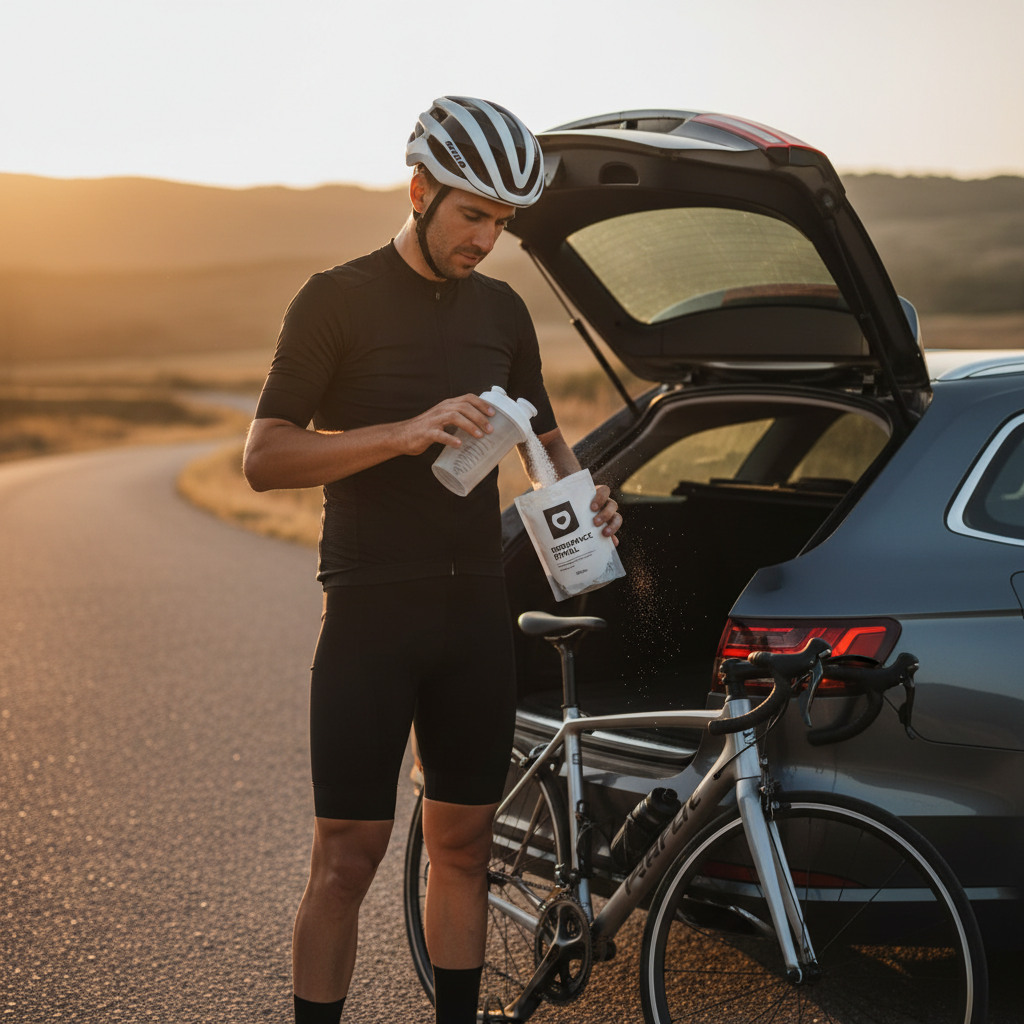
In practical terms, a good formula supports:
- Glycogen refill: carbs that digest well so you can train again sooner.
- Muscle repair: enough protein, with adequate leucine content, to kickstart rebuilding.
- Hydration support: sodium and other electrolytes if you sweat heavily or ride in heat.
- Consistency: you can actually drink it after tough sessions without forcing it.
The “best” formula depends on your ride, not the label
The reason “best cycling recovery drink powder” is hard to crown is that recovery needs change by scenario. A two-hour endurance ride and a 90-minute interval session don’t create the same recovery problem.
Use this quick mental map:
- Easy ride, low stress: you may be fine with normal food soon after, a simpler carb + protein drink can still help if you’re short on time.
- Hard intervals or long ride: prioritize carbs and enough protein, plus sodium if you finished salty and cramp-prone.
- Two-a-days or back-to-back days: faster carbs and tighter timing matter more than “clean” buzzwords.
- Weight management phase: you still need recovery, but you may choose a higher-protein, moderate-carb mix and plan the rest of the day’s intake.
One more reality check, if your post-ride meal is already solid and on time, a powder is mostly a convenience tool, not magic.
Ingredient checklist: what to look for (and what’s mostly noise)
Here’s what tends to matter when you compare tubs side by side.
Carbs: type and amount
Carbs help restore glycogen. Many products use maltodextrin, dextrose, or a blend, others use oat flour or “slow carbs.” None is automatically better, but the best option is the one you digest well and will actually take consistently.
- Fast-digesting carbs can be helpful when you need to recover quickly for the next session.
- Slower or mixed carbs can feel steadier if you’re sensitive to sweetness or big blood sugar swings.
Protein: quality, dose, and leucine
Most cyclists do well with whey (fast, leucine-rich), though plant proteins can work if the dose and amino profile are adequate. If dairy bothers you after rides, look for lactose-reduced whey isolate or a well-formulated plant blend.
According to the American College of Sports Medicine (ACSM), protein intake distributed across the day supports muscle repair and adaptation, and post-exercise protein can be part of that strategy.
Electrolytes: sodium is the big one
If you finish rides with crusty salt on your kit, frequent headaches, or big weight drops, sodium in your recovery drink may help. But if you already use a sports drink during the ride and eat a normal diet, extra electrolytes in recovery powder might be redundant.
Extras: creatine, BCAAs, adaptogens, “superfoods”
Some add-ons can be reasonable for certain athletes, but a lot of them mostly inflate the label. BCAAs are often unnecessary if total protein is sufficient. Adaptogens and botanicals vary by person and can interact with medications, so it’s worth being cautious and asking a clinician if you have any concerns.
A practical comparison table (use this when shopping)
Instead of chasing a single “winner,” compare products by the job you need them to do. Here’s a simple table you can use on a product page.
| Use case | Carb focus | Protein target (per serving) | Electrolytes | What to avoid |
|---|---|---|---|---|
| Hard training, riding again within 24 hours | Moderate to high, easy-to-digest | ~20–30g (often works for many riders) | Moderate sodium if you sweat a lot | Very low-carb “recovery” blends that underfuel |
| Endurance base ride, normal meal soon | Moderate | ~15–25g | Optional | Overly heavy mixes you won’t drink |
| Gut-sensitive riders | Lower sweetness, simpler ingredients | Start lower and build | Light to moderate | Sugar alcohols, high fiber, lots of gums |
| Weight management phase | Moderate, portion-controlled | Higher protein, satisfying texture | As needed | “Mass gainer” style servings that blow your calories |
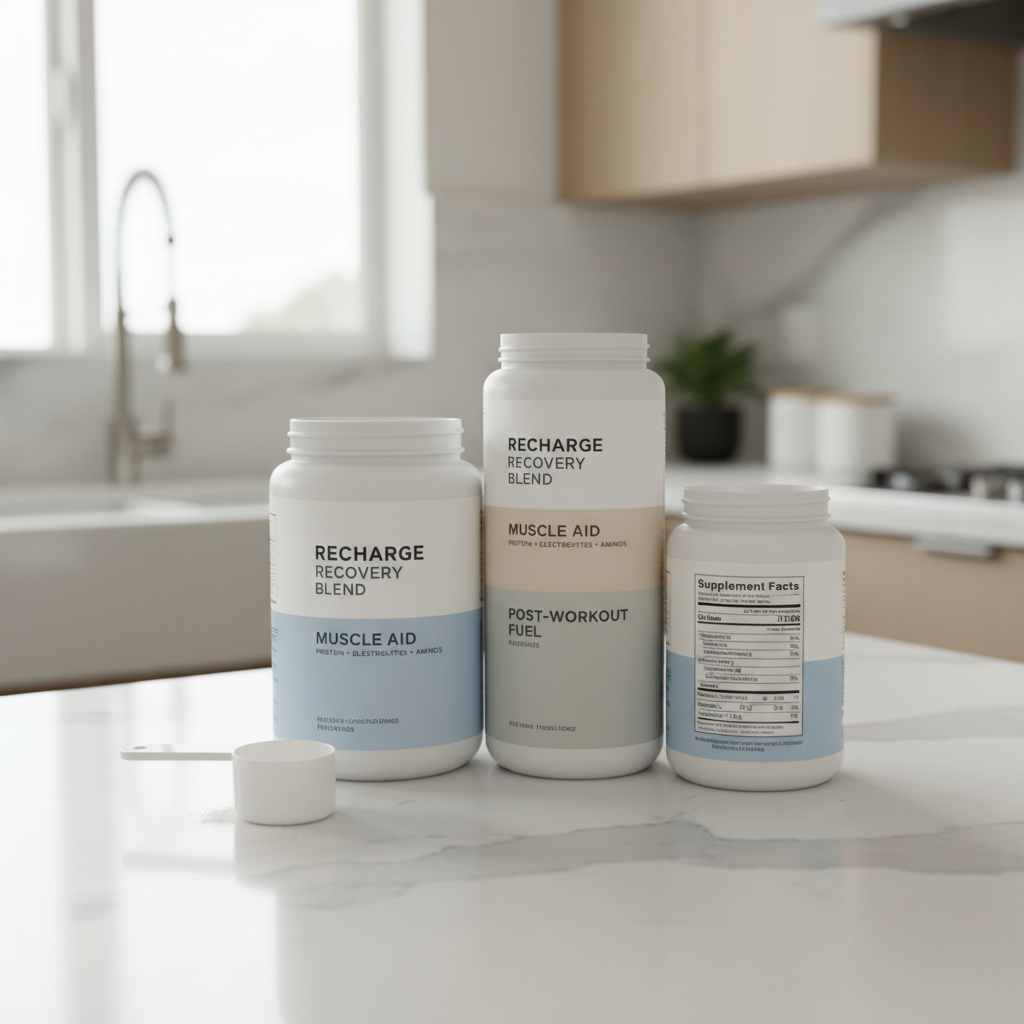
Self-check: which recovery setup fits you today?
If you’re unsure what to buy, this quick checklist usually clarifies it fast.
- Did you ride hard enough to feel depleted? Legs feel hollow, mood drops, or you’re unusually hungry later.
- Do you train again soon? Same day or next morning pushes you toward more carbs and tighter timing.
- Do you struggle to eat after rides? A drink may be the easiest “bridge” to a real meal.
- Do you get GI issues with sweet drinks? You may need lower osmolality mixes, less sweetness, and simpler ingredients.
- Do you sweat heavily or cramp often? Consider sodium, but also check your in-ride hydration strategy.
If you checked more than two boxes, a purpose-built recovery powder usually earns its spot in your routine.
How to use recovery drink powder (timing, mixing, and portions)
Best cycling recovery drink powder results are mostly about execution. The same product can feel “amazing” or “meh” depending on how you use it.
Timing that tends to work
- Within about an hour after tough rides is a common sweet spot, especially when the next session is soon.
- If you’re eating a full meal quickly, you can treat the drink as optional, or scale the serving down.
Mixing tips that reduce stomach drama
- Start with more water than the label suggests, then concentrate later if you tolerate it.
- Use cold water, and shake longer than you think, clumps make the drink feel heavier.
- If dairy feels rough post-ride, try whey isolate or a plant blend, and test it on easier days first.
Portioning without overthinking
Labels vary, so use outcomes to calibrate. If you’re consistently ravenous at night, sore for days, or flat the next ride, you may be underdoing carbs, total calories, or both. If you feel sloshy or nauseated, dial back concentration, serving size, or switch carb sources.
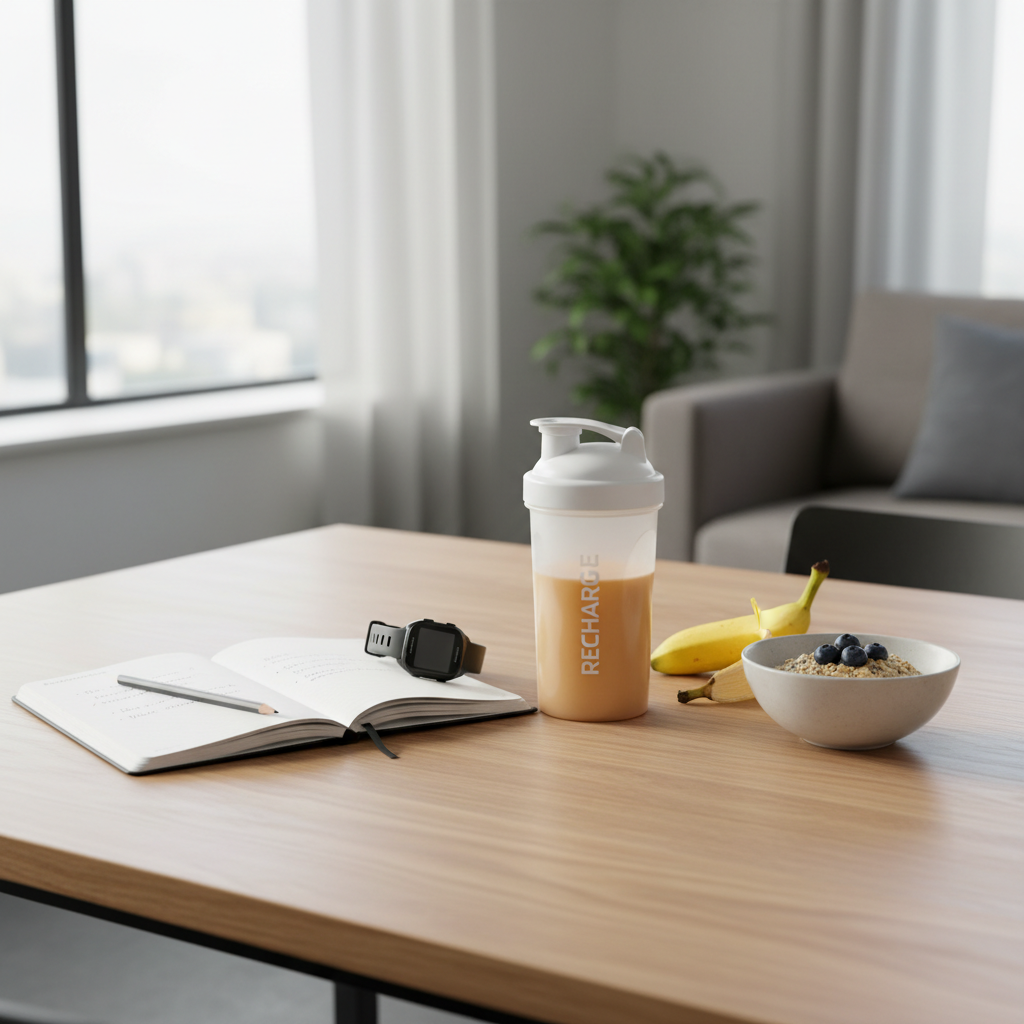
Common mistakes that make recovery powders feel “useless”
Most disappointments come from predictable mismatches between product, timing, and training load.
- Buying a low-carb blend after long or high-intensity rides, then wondering why energy stays low.
- Over-focusing on protein while ignoring total carbs and total daily calories.
- Taking it too late when you needed quick refueling for the next day.
- Ignoring gut tolerance: a “perfect” macro profile that wrecks your stomach is not a good recovery plan.
- Using it to replace meals by default, which can leave micronutrients and overall intake short.
When it’s smart to ask a pro
If you have diabetes, kidney disease, a history of disordered eating, or you’re dealing with persistent fatigue that doesn’t match your training volume, it’s worth talking with a registered dietitian or a clinician before changing supplements or pushing aggressive carb strategies.
Also, if you compete in tested events, choose products with third-party testing where possible, and consider checking guidance from anti-doping resources. According to the U.S. Anti-Doping Agency (USADA), supplement contamination is a real risk, and athletes are responsible for what they take.
Key takeaways and a simple next step
The best cycling recovery drink powder is the one that matches your training day, sits well in your stomach, and helps you show up to the next ride with steadier energy. Look for a sensible carb-and-protein base, add electrolytes only when your sweat and conditions justify it, and test your approach on non-critical days.
If you want a straightforward next step, pick one product that seems gut-friendly, use it for two weeks after your hardest rides, and track three things: next-day energy, soreness trend, and appetite stability. That feedback beats any label claim.
FAQ
What should I look for in the best cycling recovery drink powder?
Prioritize a carb-and-protein mix you digest easily, with serving sizes that match your ride intensity. If you sweat heavily, some sodium can help, but it’s not mandatory for everyone.
Is a recovery drink better than real food after cycling?
It’s usually about convenience and timing. Food works great when you can eat promptly, but a drink is often easier right after hard rides when appetite is low.
How soon should I drink a recovery shake after a ride?
Many riders do well taking it within about an hour, especially if they train again soon. If you’re eating a full meal quickly, the timing matters less.
Can I use a recovery powder for weight loss?
Possibly, but portion control matters. A higher-protein, moderate-carb option can fit, yet it’s easy to overshoot calories with large servings, so check the label and your daily plan.
Why do recovery drinks upset my stomach?
Common triggers include very sweet mixes, high concentration, sugar alcohols, lots of gums, or lactose sensitivity. Diluting the mix and choosing simpler ingredients often helps.
Do I need electrolytes in my recovery drink?
Not always. If you already hydrate well during the ride and eat normally, you might not notice a big difference. If you’re a salty sweater or ride in heat, they can be more useful.
Should I choose whey or plant protein for cycling recovery?
Whey is convenient and leucine-rich, but plant blends can work if they provide enough total protein and you tolerate them well. If dairy bothers you, whey isolate or plant options are reasonable to test.
Is it safe to use recovery powders every day?
For many healthy adults it can be fine as a food-like supplement, but needs vary. If you have medical conditions or take medications, it’s safer to check with a healthcare professional.
If you’re currently juggling hard training with a busy schedule, and cooking a full post-ride meal right away is unrealistic, a well-chosen recovery powder can be the “good enough” bridge that keeps your fueling consistent without turning recovery into another chore.