
The best bike chain cleaner tool is the one that fits your drivetrain, your mess tolerance, and how often you really clean your bike, not whatever looks most “pro” in a product photo. If your chain stays noisy after lubing, if you keep turning your rags black, or if shifting feels gritty a few rides after cleaning, you’re usually fighting built-up grime in the rollers where a quick wipe cannot reach.
This matters more than people expect because chain wear is rarely about one bad ride, it’s about repeated abrasion. Cleaning well does not have to mean stripping the whole drivetrain every time, but it does mean picking the right tool and pairing it with the right cleaner and a sane routine.
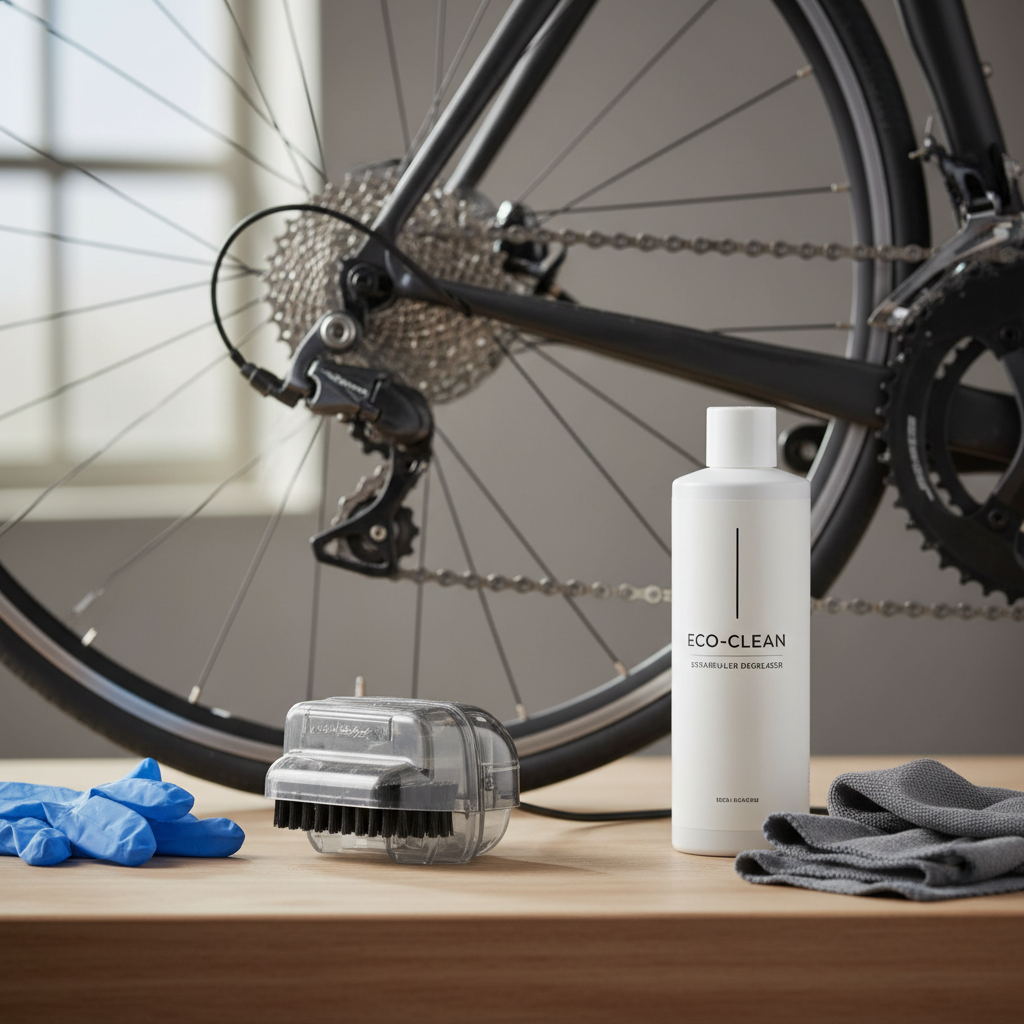
One more thing before we get tactical: “clean” can mean different targets. Some riders want a quiet drivetrain for weekend roads, others need mud removal after a wet MTB ride, and e-bike commuters often battle sticky black paste from higher torque. The right tool choice changes with that context.
What a chain cleaner tool actually needs to do
A chain cleaner tool is basically a way to agitate degreaser through the chain so it reaches inside the rollers, then lets you wipe and re-lube without leaving residue. Most problems come from one of three gaps: the tool cannot reach effectively, it leaks and you stop using it, or it encourages “over-cleaning” that strips lube and invites rust.
- Reach: brushes or pads should contact outer plates and inner areas, not just the side faces you can already wipe.
- Containment: if it drips all over the floor, you clean less often, which defeats the point.
- Repeatability: the best tool is the one you will actually use mid-season, not only during a full teardown.
- Compatibility: chain width and drivetrain type matter more now with 11–13 speed, waxed chains, and e-bikes.
According to Park Tool... proper cleaning removes abrasive contaminants before lubrication, and lubrication should follow cleaning so rollers are protected again. That sounds obvious, but many riders stop at “looks shiny” and skip the inside-the-roller part.
Types of chain cleaner tools (and who each one fits)
If you search for the best bike chain cleaner tool, you’ll see three categories repeating, and each has a place. The mistake is assuming one category is universally superior.
Clamp-on chain scrubbers (the “box” tool)
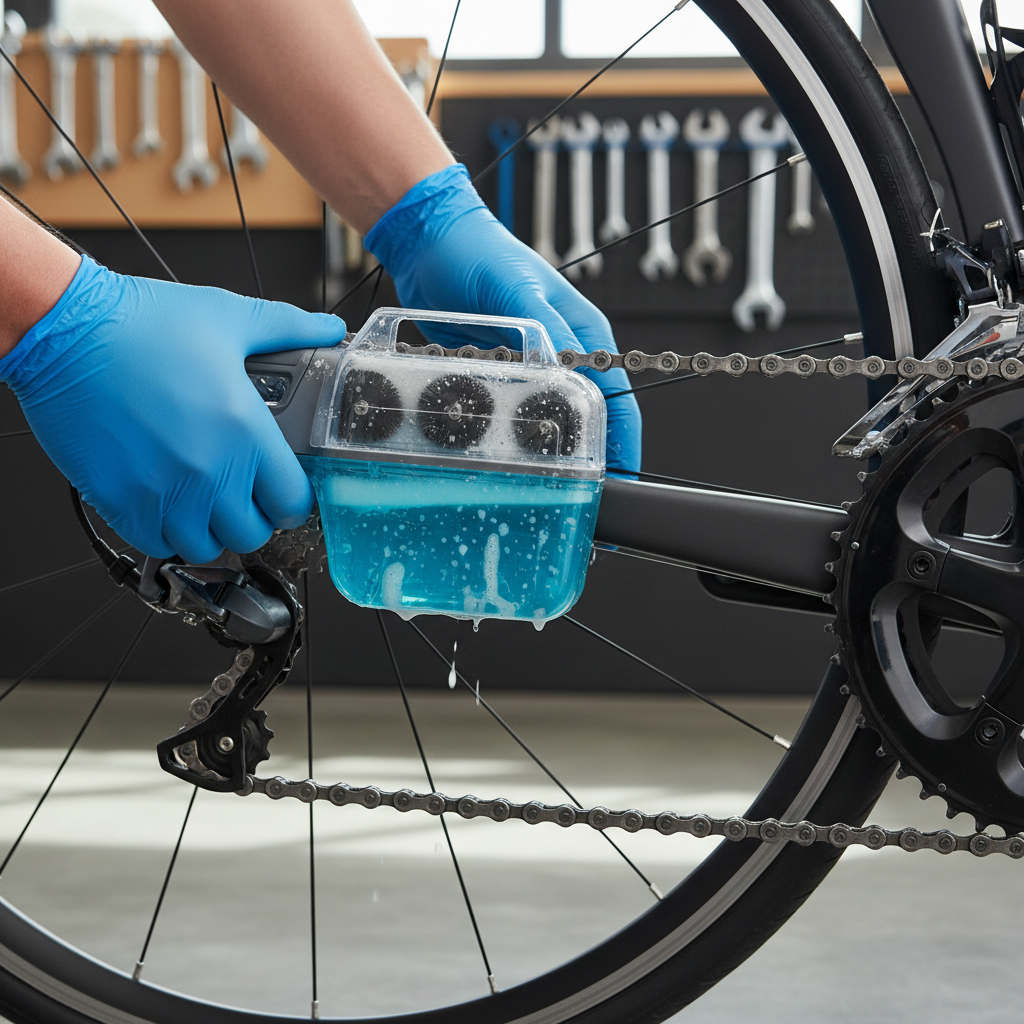
This is the classic plastic box that clips around the chain, you fill it with degreaser, then backpedal. It’s popular because it feels thorough, and for many riders it is.
- Best for: commuters, casual riders, families maintaining multiple bikes, anyone who wants contained cleaning.
- Watch-outs: some units don’t fit certain rear derailleurs or tight chainlines, and cheap ones may leak or jam.
Brush kits (grunge brush + detailing brushes)
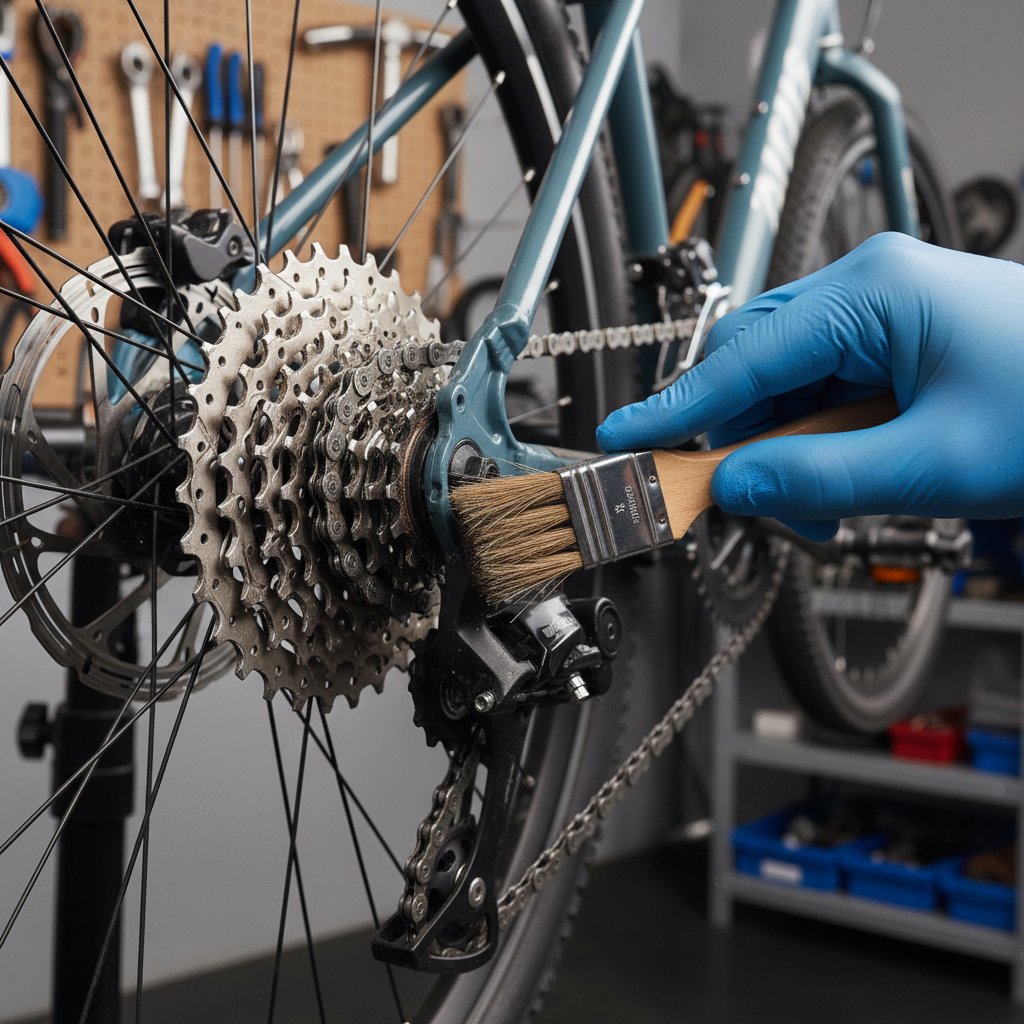
Brushes excel when the chain isn’t the only dirty part. If your cassette and jockey wheels are caked, a brush kit often cleans faster than a box tool.
- Best for: MTB and gravel riders, winter riding, anyone already doing a deeper drivetrain clean.
- Watch-outs: more mess, more solvent control required, and it’s easier to miss inside-roller contamination.
Quick-clean tools (rag holders, chain wipes, magnetic pads)
These are for frequent light cleaning. They won’t rescue a neglected chain, but they keep a good chain from turning into a paste factory.
- Best for: waxed chain users, dry-road riders, time-crunched riders doing maintenance “little and often.”
- Watch-outs: if you rely on these after wet rides, you may just smear grit around.
How to choose the best option for your bike in 3 minutes
Rather than pushing one “winner,” here’s a quick decision path that tends to match real life.
- If your chain leaves black stains after one wipe, choose a clamp-on scrubber or pair brushes with a controlled rinse routine.
- If you ride in rain, mud, or salted winter roads, lean toward brush kits plus a way to clean jockey wheels.
- If you run hot wax or drip wax, a quick-clean tool and dry brushing often work better than heavy degreasers.
- If you hate mess, prioritize a scrubber with strong seals and a stable handle, even if it costs a bit more.
- If you have 12–13 speed, confirm the tool fits narrower chains and doesn’t pinch or bind when backpedaling.
In a lot of garages, the “best” setup ends up being two tools: a box scrubber for periodic resets, plus a brush or wipe for in-between maintenance.
Comparison table: what matters more than marketing
This table is the fastest way to sanity-check your choice. You’ll notice “effectiveness” is only one line item, because if a tool is annoying, it quietly becomes unused.
| Tool type | Cleaning strength | Mess control | Speed | Best match |
|---|---|---|---|---|
| Clamp-on scrubber | High for neglected chains | Usually good | Fast once set up | Commuting, multi-bike homes |
| Brush kit | High for full drivetrain | Lower | Moderate | MTB/gravel, winter grime |
| Quick-clean wipe tool | Low to moderate | Excellent | Very fast | Waxed chains, frequent upkeep |
A practical cleaning routine that works for most riders
Here’s the routine that tends to deliver the “quiet chain” result without turning bike care into a weekend project. Adjust the intensity based on how dirty the ride was.
Routine A: quick maintenance (5–8 minutes)
- Wipe chain with a clean rag, rotate pedals slowly, keep pressure light.
- Use a quick-clean tool or a soft brush on the lower run of chain for 30–60 seconds.
- Let chain dry, then apply lube to each roller, not the side plates.
- After 5–10 minutes, wipe off excess so it does not attract grit.
Key point: most squeaks after lubing come from too much lube on the outside and not enough protection inside the rollers, wiping excess helps more than people want to believe.
Routine B: reset clean (15–25 minutes)
- Protect brakes and rotors from degreaser overspray, especially on disc bikes.
- Use a clamp-on scrubber filled with a bike-safe degreaser, backpedal in smooth strokes.
- Dump dirty fluid, refill if needed, repeat until fluid stays closer to “tea” than “ink.”
- Rinse carefully with water or a damp rag, avoid blasting bearings with high pressure.
- Dry chain fully, then lube, then wipe.
According to Shimano... keeping drivetrain components clean and properly lubricated supports shifting performance and reduces premature wear. Their maintenance guidance also stresses avoiding contamination of braking surfaces, which is where people accidentally create a safety headache.
Common mistakes that make chains wear faster
Most “my chain keeps getting dirty” complaints are really process issues. A few are product mismatches.
- Degreasing then riding without re-lube: the chain may feel smooth briefly, then wear ramps quickly.
- Over-degreasing a waxed setup: strong solvents can strip wax benefits and push you into a constant reapplication loop.
- Cleaning the chain, ignoring cassette and jockey wheels: grit migrates right back onto a clean chain.
- Using harsh household solvents: some can damage finishes or seals, when in doubt use bike-specific products.
- Spraying degreaser near disc rotors: contamination can reduce braking, if this happens, consult a bike shop about proper decontamination.
When you should upgrade your tool (or get help)
If you’re doing the steps and still getting a loud, gritty chain quickly, it’s usually time to change something more fundamental than the cleaner bottle.
- Chain wear may already be advanced: a worn chain keeps feeling rough even when clean. A simple chain checker tool can help you decide when replacement makes sense.
- Stiff links or rust: cleaning can reveal problems rather than fix them, if links stay stiff, consider professional inspection.
- Persistent skipping under load: could be chain plus cassette wear, or adjustment issues, a shop can diagnose faster than trial-and-error.
- E-bike high torque: higher load can accelerate wear, a sturdier tool and more frequent light cleaning often helps, but component condition still matters.
Also, if you have carbon frames, expensive wheelsets, or integrated cockpits where routing complicates access, a cautious approach saves money. There’s no shame in letting a reputable shop do a periodic deep clean, especially if you’re dealing with stuck hardware or unknown product compatibility.
Key takeaways + my pick for “most people”
- Most riders do best with a clamp-on scrubber for periodic reset cleaning, plus a rag or brush for in-between wipes.
- Choose based on your dirt type: road film, wet grit, or wax residue each responds differently.
- Good cleaning ends with lubrication, otherwise wear often accelerates.
- Mess control matters, because the most effective tool is the one you keep using.
If you’re trying to pick one best bike chain cleaner tool for 2026 and you ride a mix of conditions, a well-sealed clamp-on scrubber with durable internal brushes is usually the most forgiving choice, then keep a small brush or wipe tool for quick maintenance between deeper cleans.
Practical buying checklist (save this before you click “Add to Cart”)
- Chain compatibility: confirm it supports your speed count and chain width.
- Seal quality: look for tight closures and stiff plastic that won’t flex and leak.
- Brush replaceability: replaceable brushes often mean longer tool life.
- Ease of cleaning the tool itself: if it’s miserable to rinse, you’ll avoid using it.
- Plan for runoff: even “contained” tools drip a little, use a mat or cardboard.
One last nudge: if your goal is speed and consistency, set up a small chain-clean station once, gloves, rag, degreaser, lube, and a mat, and you’ll stop postponing it.