
best bike water bottle cage durable is a search people type after they’ve watched a bottle launch onto the road, or after a cage cracks the first time the bike tips over in a garage.
Durability sounds simple, but in real riding it’s a mix of material strength, how the cage flexes, how it grips, and whether it matches your bottle size and frame mounts. A “strong” cage that holds too tight can be annoying, and a lightweight cage that flexes well can last years if the design is right.
This guide helps you pick a cage that stays reliable through miles, heat, vibration, and the occasional bump, without overpaying for features you won’t notice. You’ll also get a quick checklist, a comparison table, and install tips that prevent most failures.
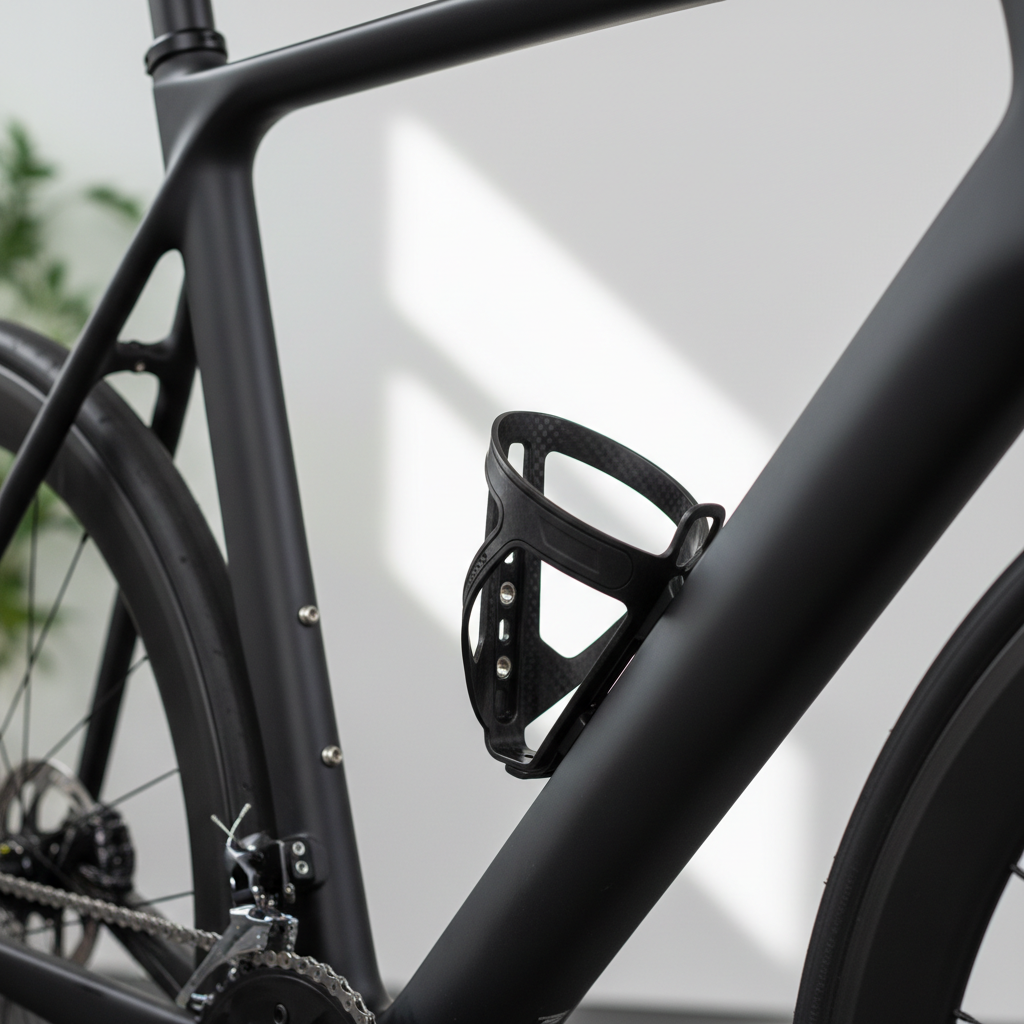
What “durable” really means for a bottle cage
Most cages don’t fail because a rider “needs stronger.” They fail because the cage sees repeated vibration, side loads from grabbing bottles, UV exposure, sweat, and sometimes a little crash damage. Durability is about surviving that mix without cracking, loosening, or losing grip.
- Impact tolerance: survives tip-overs and bumps without snapping at the arms or mounting tabs.
- Fatigue resistance: doesn’t slowly weaken from vibration and repeated flex.
- Retention consistency: keeps holding the bottle when you hit chatter or potholes.
- Hardware stability: bolts stay tight, cage doesn’t creep downward over time.
According to ISO (International Organization for Standardization), bicycles and components are commonly evaluated with standardized safety and performance testing methods; while bottle cages aren’t always singled out in consumer-facing specs, the idea is the same: repeated-load durability matters more than one-time strength.
Materials and designs that tend to last longer
If you’re shopping for the best bike water bottle cage durable enough for mixed terrain, the material choice is usually your first filter. The “best” depends on how you ride and how much you care about weight, but some patterns show up again and again.
Reinforced nylon (composite plastic)
For many riders, reinforced nylon hits the sweet spot. It flexes instead of cracking, shrugs off weather, and often survives small knocks better than brittle plastics.
- Great for: everyday road, gravel, commuting, bikes that get leaned against stuff
- Watch for: very cheap cages with thin arms and sharp mold lines
Aluminum
Aluminum cages can be durable, but they bend more easily than people expect, especially if you pry bottles out sideways. A slightly bent cage might still work, or it might start ejecting bottles on rough roads.
- Great for: riders who like a firm feel and don’t mind occasional re-bending
- Watch for: fatigue cracks near tight bends, sharp edges that scuff bottles
Stainless steel or spring steel
Steel cages can be extremely tough and hold shape well, though they’re often heavier. Corrosion resistance varies by finish, but stainless generally handles sweat and rain better.
- Great for: touring, commuters, bikes that get used hard
- Watch for: paint chips on non-stainless steel leading to rust over time
Carbon fiber
Carbon cages range from “surprisingly robust” to “too fragile for real life,” depending on layup quality and design. Many are built for weight savings, not parking-lot abuse.
- Great for: weight-focused road setups with smooth routes
- Watch for: cracking from over-tightened bolts or side impacts
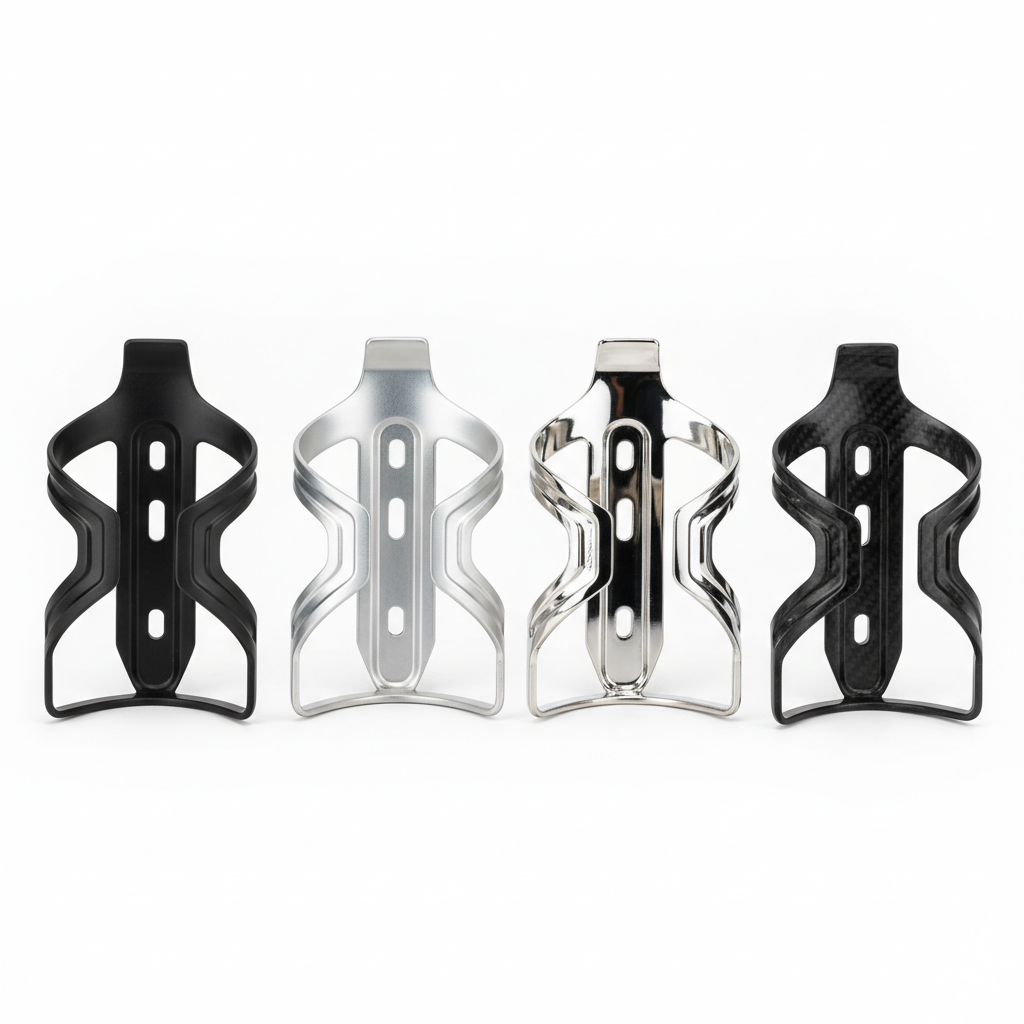
Quick comparison table: picking a durable cage by riding style
This table won’t pick a single winner for everyone, but it will steer you toward the style that usually holds up best for your use.
| Riding use | What durability problem shows up | Material/design that often works well | What to avoid |
|---|---|---|---|
| Road (smooth pavement) | Loose bolts, rattles | Reinforced nylon, quality carbon | Soft aluminum that bends easily |
| Road (rough pavement) | Bottle ejection on chatter | High-retention composite, steel | Minimalist cages with weak grip |
| Gravel | Vibration fatigue, ejection | Composite with deep side arms, “grippy” geometry | Ultra-light cages built for racing only |
| MTB | Impacts, side-load bottle pulls | Tough composite, side-entry if clearance is tight | Brittle plastic, sharp-bend aluminum |
| Commuting | Weather exposure, knocks | Composite or stainless, simple hardware | Cheap cages with soft bolts |
| Touring/bikepacking | Long-term fatigue, load shifts | Steel/stainless, proven touring cages | Hard-to-replace proprietary parts |
Self-check: how to tell what’s causing your cage issues
Before you buy anything, it’s worth diagnosing the failure mode. A lot of “durability” complaints are actually fit, torque, or bottle mismatch.
- Your bottle pops out on bumps: cage grip is too loose, bottle shape is incompatible, or the cage sits slightly crooked.
- Cage cracked near the bolt: bolts may be over-tightened, or the cage has a thin mounting tab that can’t handle stress.
- Cage keeps sliding down: bolts loosening, lack of friction at the mount, or worn bottle bosses on the frame.
- Bottle is hard to remove: cage is too tight for your bottle diameter, or the cage arms don’t flex smoothly.
- Bottle rattles: cage is too open, or bottle is undersized.
Key point: if you’re swapping between a skinny 21 oz bottle and a wide insulated bottle, don’t be surprised when one fits and the other behaves badly. Many cages are optimized around a standard cycling bottle profile.
How to choose the best durable bottle cage (without overthinking it)
Here’s the practical buying framework I’d use if I were stocking a bike that needs fewer surprises. It’s aimed at riders who want the best bike water bottle cage durable enough for regular use, not just a pretty accessory.
1) Prioritize retention geometry, not “strongest material”
Look for deep side arms and a front lip that prevents upward bounce. Many good composite cages are “springy” and still hold tight because the shape does the work.
2) Match cage style to frame clearance
- Standard top-entry: simplest, often most secure if you have room.
- Side-entry: helpful on small frames or full-suspension bikes where access is tight, but retention varies by design.
3) Check hardware quality and compatibility
Most cages use standard M5 bolts into bottle bosses. If bolts feel soft or strip easily, that “durable cage” won’t stay durable for long. If your frame is carbon, bolt torque matters even more, and it can be smart to follow the bike manufacturer’s torque guidance or ask a shop.
4) Think about your bottle choice now, not later
Insulated bottles often run larger in diameter. Some cages handle both standard and oversized bottles, others don’t. If you ride in heat and rely on insulation, buying a cage that fits that bottle cleanly is part of durability, because you stop forcing it in and out at weird angles.
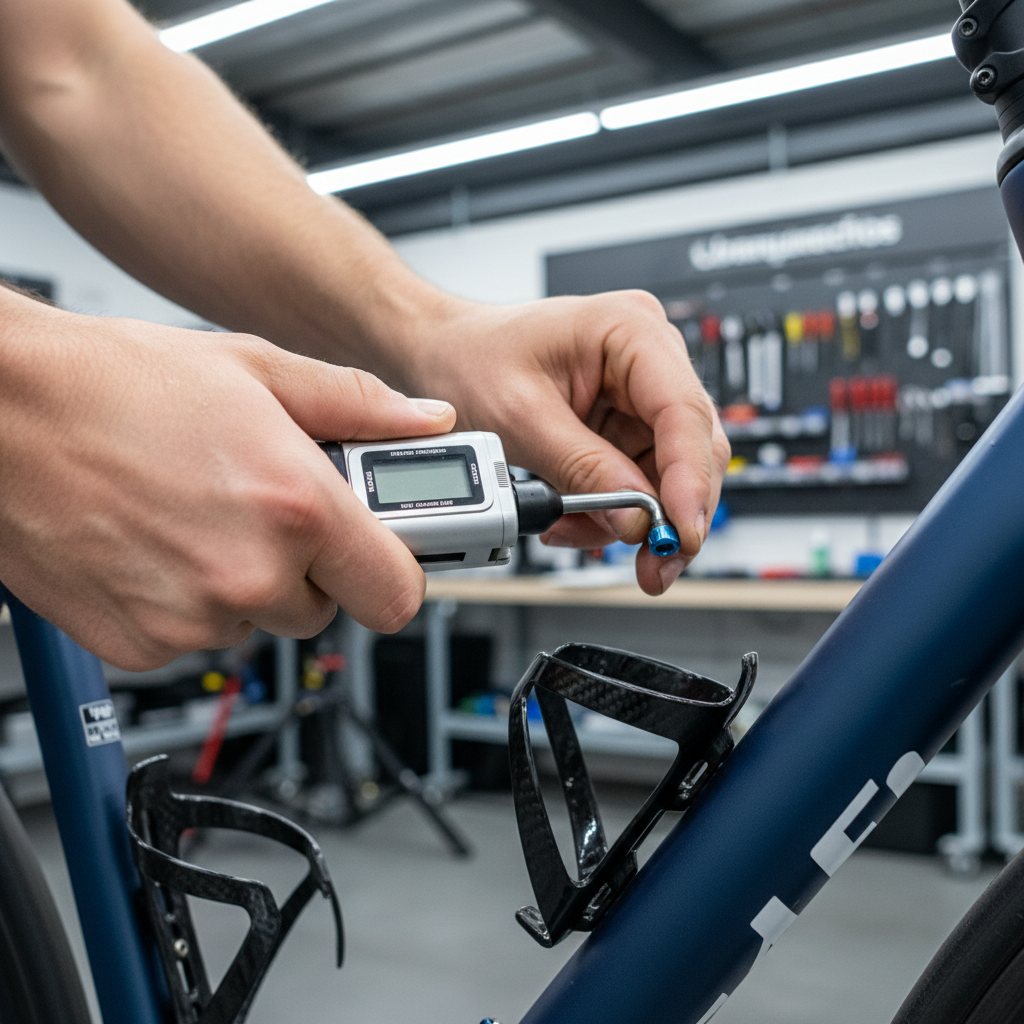
Installation and setup tips that prevent most “durability” failures
A surprising number of cages “fail” because of mounting issues. The cage gets blamed, but the bolts were loose, cross-threaded, or over-torqued.
- Clean the bosses: dirt and grit can cause false tightness, then the bolts back out.
- Use the right bolt length: too long can bottom out, too short reduces thread engagement.
- Tighten evenly: keep the cage aligned so the bottle sits centered.
- Consider medium threadlocker: for bikes that see vibration, a small amount can help, but follow product guidance and frame manufacturer advice.
According to Park Tool, proper fastener tightening and torque practices help prevent stripped threads and component damage, which is especially relevant around bottle cage bolts on lightweight frames.
Common mistakes (and what to do instead)
Small habits make a cage seem “weak” when it’s actually being used in a way it wasn’t built for.
- Mistake: choosing the lightest cage for gravel
Do instead: prioritize retention and impact tolerance, weight differences here are usually small in real-world feel. - Mistake: bending aluminum arms repeatedly
Do instead: adjust once carefully, then test on rough ground; repeated bending can speed up metal fatigue. - Mistake: over-tightening bolts on carbon frames
Do instead: follow frame torque guidance; if unsure, a bike shop can torque it correctly in minutes. - Mistake: blaming the cage when the bottle is the issue
Do instead: test with a known standard cycling bottle, then evaluate fit with your preferred bottle.
When it’s worth getting help (or upgrading your setup)
If bottles keep ejecting even after you’ve tried a higher-retention cage and verified bolt tightness, something else may be going on: bottle bosses may be slightly out of alignment, your frame clearance may force awkward insertion angles, or you may need a different bottle style.
For carbon frames, stripped threads, spinning rivnuts, or cracked paint around bosses can become a bigger repair if ignored. In those cases, it’s usually sensible to consult a local bike shop or the frame manufacturer rather than forcing a “tougher” cage to compensate.
Conclusion: a durable cage is the one that matches your riding
The best bike water bottle cage durable enough for your bike is usually a high-quality composite or steel cage with proven retention geometry, mounted correctly, and paired with a bottle that actually fits. Once those three line up, cages stop being a recurring problem and turn back into background gear, which is exactly what you want.
If you want one immediate action, check your current cage bolts and alignment, then test retention by riding over a rough patch you know well. If the bottle moves or rattles, shop for a higher-retention cage designed for your terrain, not just a different material.
FAQ
- What material is most durable for a bike bottle cage?
Reinforced nylon composites are durable in many everyday scenarios because they flex instead of cracking, while steel can be extremely tough for touring and commuting. Carbon can be durable too, but quality varies more. - Why does my bottle cage keep ejecting bottles on rough roads?
Usually it’s retention geometry or bottle fit, not just “strength.” A cage with deeper side arms and a better front lip often fixes it, and using a standard bottle shape for testing helps isolate the issue. - Are carbon bottle cages durable enough for daily riding?
Many are, but they can be less forgiving of side impacts or over-tightened bolts. If your bike gets leaned, transported, or ridden on rough surfaces often, a tough composite cage may be a safer bet. - Do side-entry cages hold bottles as securely as top-entry cages?
Some do, some don’t. Side-entry is mainly about access on small frames; retention depends on the specific design and how well it matches your bottle diameter. - How tight should bottle cage bolts be?
Tight enough that the cage can’t shift, but not so tight that you risk stripping threads, especially on carbon frames. If you don’t have torque guidance, a shop can help set it correctly. - What’s the easiest way to test if a cage is “durable” for my rides?
Use your usual full bottle, ride a known bumpy section, and check for movement, rattling, or any bolt loosening after. Consistent retention over a few rides is a better signal than how stiff it feels in your hand.
If you’re trying to stop bottle ejections for good and you want a more “set it and forget it” setup, it may help to choose a proven high-retention cage style for your terrain and pair it with one bottle model you know fits well, that small bit of standardization tends to remove most of the guesswork.