
Best bike cleaner for greasy parts is usually less about finding one “magic” bottle and more about matching the product to where the gunk sits, chain and cassette grime behaves differently than frame road film, and using the right brush and rinse timing.
If you ride in wet climates, commute year-round, or use a lot of lube, you’ve probably had that moment where soap makes things look clean but the drivetrain still feels sticky. That’s the gap this guide closes, what to use, when to use it, and how not to damage finishes, seals, or braking surfaces.
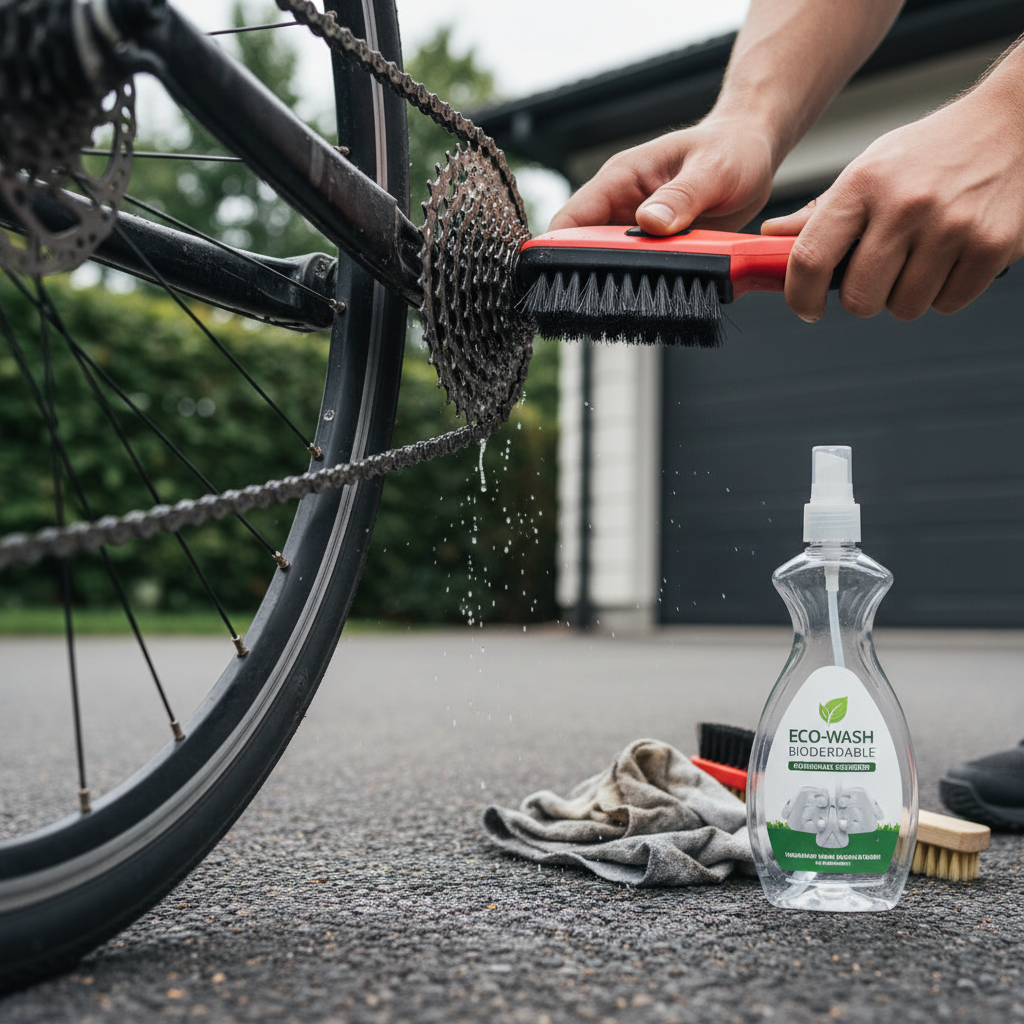
One more thing before we get into products, “bike cleaner” on the label can mean two different jobs: a general wash for paint and plastic, or a degreaser meant to break down oil. Mixing those up is where most bad results come from.
What “greasy parts” really means (and why it matters)
On most bikes, the truly greasy parts cluster around the drivetrain: chain, cassette, chainrings, derailleur pulleys, and sometimes the crank area. That grease is a mix of lubricant, road grit, and fine metal dust, it behaves like paste and clings hard.
- Drivetrain grease: heavy, sticky, needs a degreaser or strong surfactants.
- Road film on frame: lighter dirt, usually fine with a pH-neutral bike wash.
- Brake contamination risk: rotors and pads hate overspray, even a “safe” cleaner can reduce braking.
So when people search for the best bike cleaner for greasy parts, they’re typically shopping for a drivetrain-safe degreaser that still rinses clean, without wrecking anodized finishes or drying out seals.
Cleaner vs degreaser: the decision that saves time
A general bike wash lifts dust, mud, and road grime, it’s not designed to dissolve oil. A degreaser is built to break down petroleum or wax-based lubes, but it can be too aggressive for some surfaces if you leave it on too long.
According to Park Tool, degreasers are intended for drivetrain cleaning and should be kept away from braking surfaces and used with appropriate brushing and rinsing. That’s simple advice, but it’s the difference between a clean chain and a squeaky contaminated rotor.
Quick rule of thumb
- If the part feels slick or sticky, treat it like a degreasing job.
- If it feels dusty or grimy, start with bike wash, then spot-degrease only where needed.
What to look for in the best bike cleaner for greasy parts (2026 buyer checklist)
Most reputable brands work fine when used correctly, the details are what separate “pretty clean” from “actually clean.” Here’s what tends to matter in real garages.
- Rinse-ability: if it leaves an oily sheen, you’ll attract dirt fast.
- Dwell time control: products that work in 1–3 minutes reduce the temptation to over-soak.
- Material compatibility: safe on anodized aluminum, painted frames, carbon, and common plastics.
- Application method: spray, foam, gel, or pour-on; gels cling better on cassettes.
- Low odor / indoor-friendly: matters if you clean in a small apartment or shared space.
- Residue-free finish: helps your new lube bond consistently.
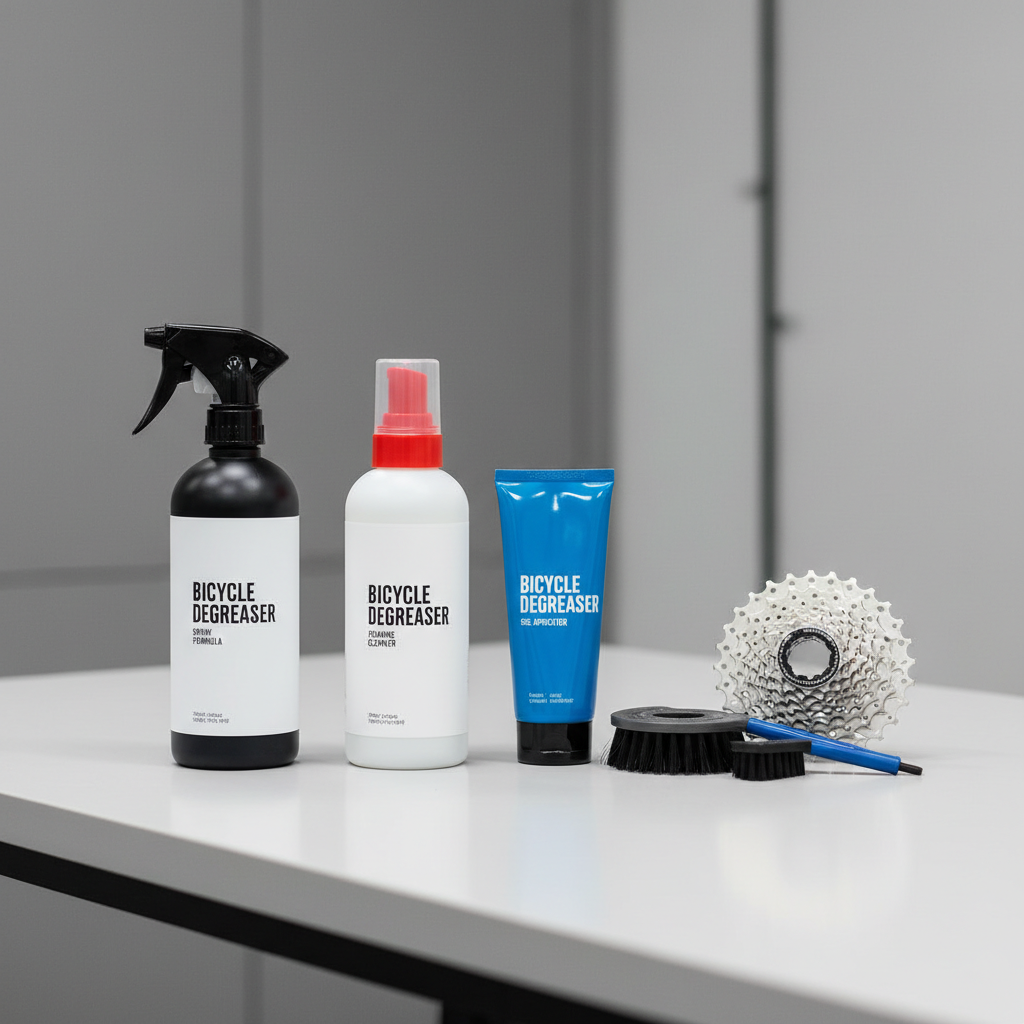
If you’re picking just one product, I’d bias toward something marketed as a drivetrain degreaser that explicitly says it rinses with water, then keep a separate gentle wash for the frame. Two bottles, fewer headaches.
Pick your approach: 3 realistic cleaning scenarios
Instead of chasing a single “best,” match the method to how dirty the bike gets. This is where most riders either over-clean or never quite get ahead of buildup.
Scenario A: Light grease, weekly upkeep
- Use a mild degreaser or citrus-based drivetrain cleaner.
- Brush the chain and jockey wheels, wipe, then rinse lightly.
- Dry and relube, don’t skip this or the chain runs dry and noisy.
Scenario B: Heavy black paste on chain/cassette
- Choose a stronger water-based degreaser or a clinging gel.
- Work one section at a time, keep product off rotors and pads.
- Rinse thoroughly, then do a second quick pass on pulleys.
Scenario C: Apartment or no-hose cleaning
- Use a low-odor drivetrain cleaner and microfiber wipe-down method.
- Apply to a rag or brush, not a wide spray, to reduce mess.
- Finish with a slightly damp cloth, then dry and relube.
In all three cases, the best bike cleaner for greasy parts is the one that fits your space and routine, because consistency beats heroic deep cleans every two months.
Step-by-step: how to clean greasy drivetrain parts without creating new problems
This workflow is simple on purpose, it keeps overspray under control and avoids the classic mistake: degreasing, then immediately blasting water into bearings.
Tools that make it easier
- Drivetrain brush and an old toothbrush
- Microfiber rags (a few you don’t mind staining)
- Chain cleaning tool optional, helpful for very dirty chains
- Low-pressure water source or a spray bottle
Process (practical order)
- Protect brakes: if you have disc brakes, cover rotors with a clean towel, or remove wheels if you prefer.
- Apply degreaser to the drivetrain: aim at chain, cassette, chainrings, pulleys, avoid hubs and bottom bracket area.
- Wait briefly: most products work with short dwell time, letting it sit “just in case” can be counterproductive.
- Agitate: brush cassette cogs, scrub pulleys, backpedal while brushing chain.
- Wipe first, rinse second: wiping removes the heavy slurry before water spreads it.
- Rinse gently: low pressure, targeted, keep water away from bearing seals as much as you can.
- Dry and relube: dry chain fully, then apply your lube, wipe excess after a few minutes.
According to Shimano, lubrication choice and cleanliness affect drivetrain performance and wear, so the cleaning step matters, but it only pays off if you relube correctly afterward.
Common mistakes (and how to avoid them)
A lot of “this product didn’t work” stories are really “the process didn’t match the mess.” These are the usual culprits.
- Degreaser on rotors or pads: even small contamination can reduce braking, if this happens, you may need to clean rotors with an appropriate brake-safe cleaner and consider pad replacement, a shop can advise.
- Letting degreaser dry on the bike: can stain or leave residue, especially in sun or heat.
- Pressure washing: pushes water past seals into bearings, fast way to create creaks later.
- Over-degreasing everything: stripping protective grease from places that need it, like some pivot points, can cause squeaks.
- Skipping the final wipe: leftover grime becomes grinding paste the next ride.
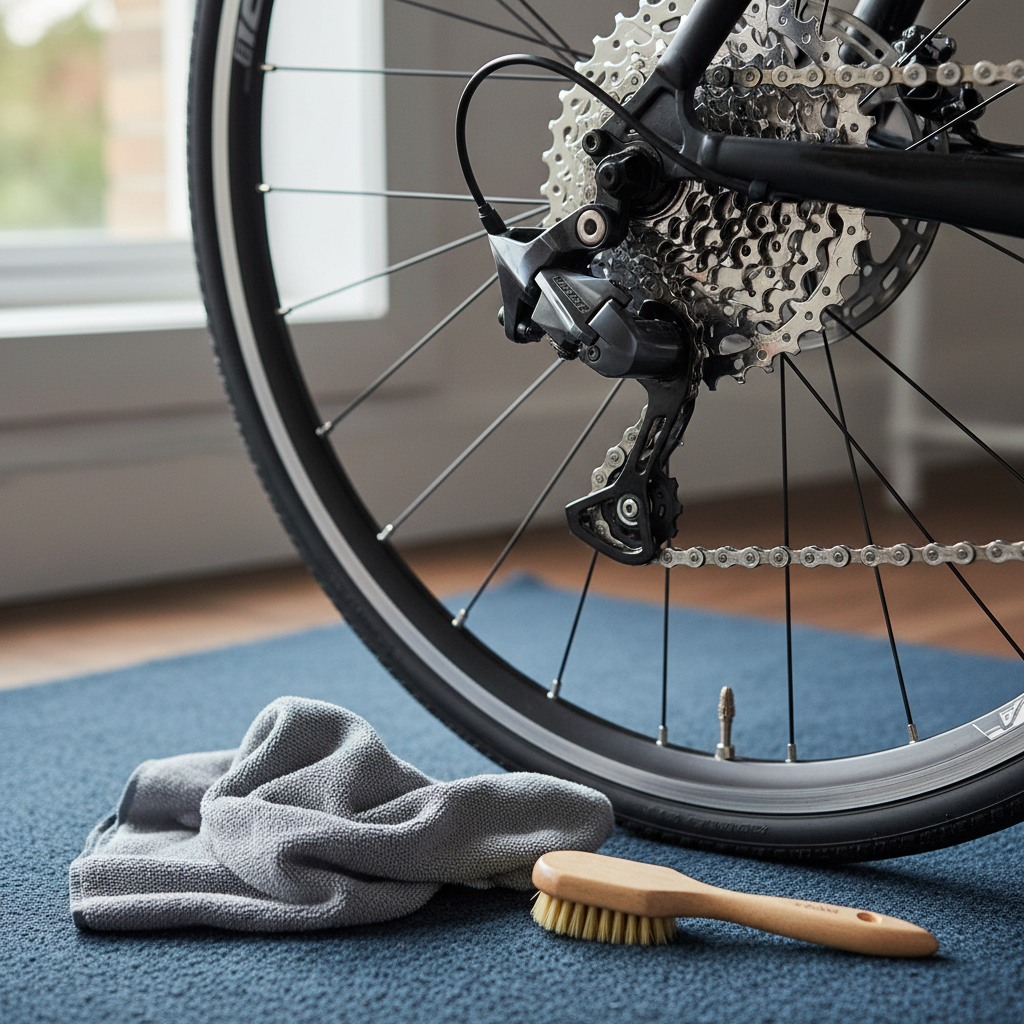
Also, don’t underestimate too much lube. Many riders try to “solve” grease by cleaning harder, when the easier fix is applying less lubricant and wiping the chain exterior after every lube job.
Quick comparison table: choose the right cleaner type
This table won’t name brands, on purpose, because formulas change over time and availability varies, but it will help you pick the type that tends to work.
| Cleaner type | Best for | Pros | Watch-outs |
|---|---|---|---|
| Water-based drivetrain degreaser | Routine chain/cassette grease | Rinses easily, usually safer on finishes | May need brushing for heavy buildup |
| Citrus degreaser | Moderate grime, indoor cleaning | Often lower odor, effective on oil | Can leave residue if not rinsed or wiped well |
| Gel degreaser | Stuck-on paste on cassette/chainrings | Clings, less drip, strong cleaning focus | Easy to overuse, rinse thoroughly |
| Foaming bike wash (not degreaser) | Frame, wheels, general dirt | Fast coverage, paint-friendly | Not enough for oily drivetrain |
| Solvent-heavy degreaser | Edge-case heavy grease | Very strong cutting power | Odor, disposal, potential material sensitivity |
Key takeaways and a simple “do this next” plan
If you want one clean, repeatable routine, keep it boring: drivetrain degreaser for oily parts, gentle wash for everything else, and a strict no-overspray rule near brakes. That’s what keeps the bike quiet and shifting clean.
- Weekly or biweekly: wipe chain, spot-degrease pulleys and cassette, relube.
- Monthly: deeper drivetrain scrub, check chain wear, clean chainrings.
- After wet rides: prioritize drying, then relube, rust can start quickly in some climates.
Action item: pick a drivetrain-safe degreaser you’ll actually use, add a brush and a few rags, and run the same 15-minute routine for a month before you decide it “doesn’t work.”
FAQ
What is the best bike cleaner for greasy parts if I only want to buy one product?
A water-based drivetrain degreaser that rinses clean is the most flexible single purchase, you can still use it carefully on problem spots and wipe down the rest with mild soapy water.
Can I use dish soap to remove chain grease?
Dish soap can help in a pinch, but it often struggles with heavy drivetrain paste and can be harsh on some finishes if overused, many riders get better results with a purpose-made degreaser plus brushing.
How do I avoid contaminating disc brakes while degreasing?
Apply cleaner to a brush or rag instead of spraying freely, keep rotors covered, and wash hands or change gloves before touching rotors, if braking changes afterward, a bike shop can help diagnose pad contamination.
Do I need to remove the chain to clean it properly?
Not always, on-bike cleaning works for routine maintenance, but if the chain is extremely dirty or you’re switching lube types, removing it for a deeper clean can be more effective.
Is citrus degreaser safe for all bikes?
Many citrus formulas are fine for most modern finishes, but ingredients vary, so it’s smart to follow label guidance and avoid long dwell times, especially around seals and painted logos.
Why does my chain look clean but still feels gritty?
Grit often hides inside chain rollers, more agitation helps, and wiping before rinsing removes the slurry that otherwise redistributes, also make sure old lube isn’t mixing with new lube.
How often should I degrease my cassette?
For many riders, a light cassette scrub every few weeks is enough, if you ride in rain or on dusty paths, you may need to do it more often to keep shifting crisp.
If you’re trying to choose the best bike cleaner for greasy parts and you want a more “no guesswork” setup, consider building a small kit: one drivetrain degreaser, one gentle bike wash, and two dedicated brushes, it’s usually cheaper than chasing new bottles every time the chain starts looking black again.