
Best bike chain lubricant dry picks usually come down to one thing: where your miles happen. If you ride in dusty conditions, a good dry lube can keep your drivetrain quieter and cleaner than many “all-purpose” options, but only if you apply it the right way.
The frustrating part is that “dry” on a label does not always mean the same behavior on your chain. Some dry lubes feel waxy and shed dirt well, others start clean but turn tacky after a couple rides, and a few are basically thin oils that attract grit once the carrier evaporates.
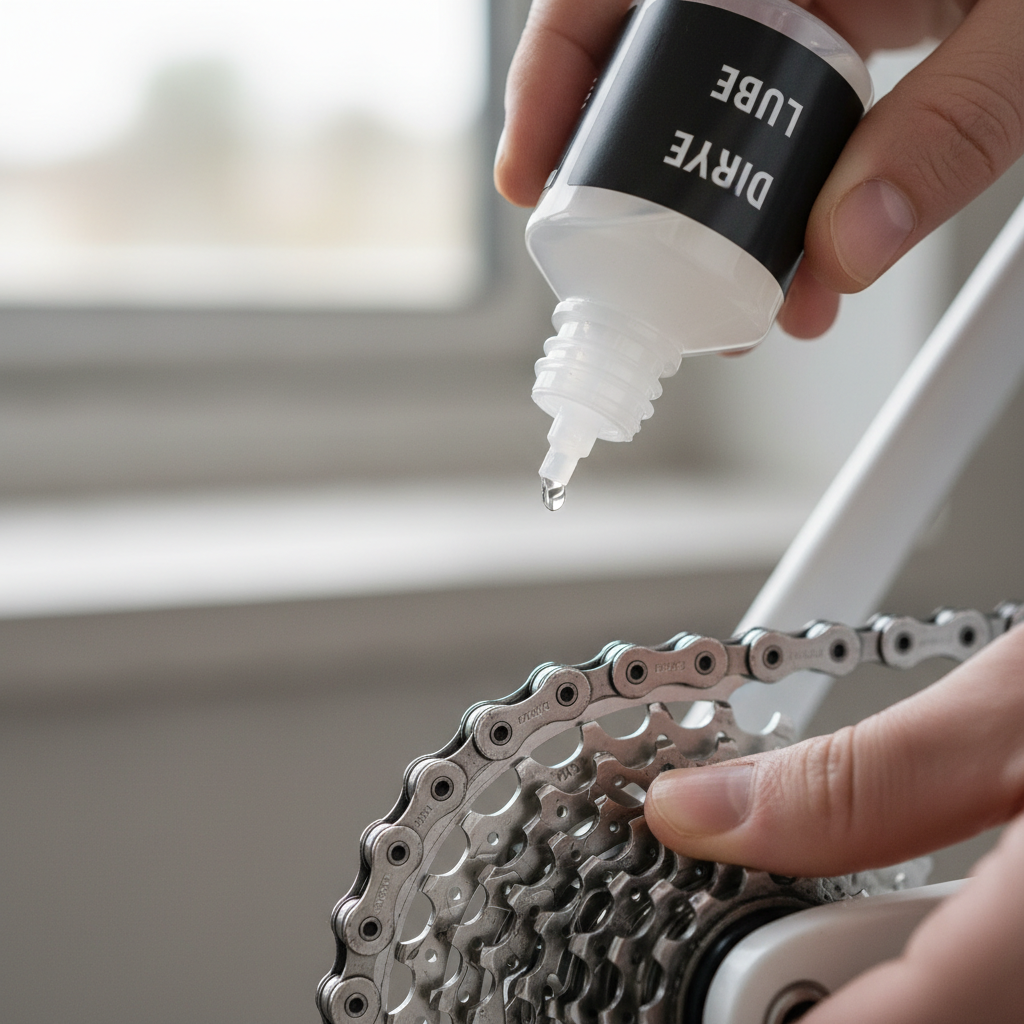
This guide narrows the noise. You will get a practical way to choose a dry chain lube for 2026, a quick self-check to match product style to your conditions, and a step-by-step routine that keeps shifting smooth without turning your drivetrain into a dirt magnet.
What “dry” chain lube actually means (and why it matters)
Dry lubes aim to leave a low-tack film on the chain, so dust has less to cling to. Most formulas use a carrier fluid that helps the lube flow into rollers, then evaporates, leaving wax, polymers, or friction modifiers behind.
Two details matter more than marketing terms:
- Residue behavior: does it stay slick without getting gummy after 1–2 rides?
- Contamination handling: does it shed fine dust or hold it like paste?
According to Park Tool..., a chain runs best when lubricant sits inside the rollers and pins, while excess on the outside should be wiped off to reduce dirt pickup. That principle is what makes dry lubes feel “cleaner” when used correctly.
Quick comparison table: common dry lube types in 2026
You do not need to memorize chemistry, but it helps to know which “dry” family you are buying.
| Dry lube type | Feel after curing | Best for | Watch-outs |
|---|---|---|---|
| Wax-based drip lube | Waxy, low tack | Dusty roads, dry gravel, fair-weather commuting | Needs clean chain to work well, can flake if overapplied |
| Polymer “dry” lube | Dry-to-touch film | Mixed dry conditions, riders who want easy application | Some formulas turn sticky as they age on the chain |
| Hybrid dry/wet (light oil with additives) | Light oily film | Unpredictable weather, longer rides | Often attracts dust more than wax once dirty |
| Hot melt wax (immersion) | Very clean, hard wax | Performance-focused road and gravel, high-mileage riders | More setup time, rewax cycle needed, not ideal for constant rain |
How to tell if a dry lube is right for your riding
Before chasing the “best” product, be honest about your reality. A dry chain lubricant shines in dust, but it can struggle in frequent rain or muddy trails where you need more water resistance.
Self-check checklist
- Surface: mostly pavement and hardpack, or mud and wet roots?
- Weather: long dry spells, or regular rain and puddles?
- Dust level: fine beige dust that coats everything, or relatively clean roads?
- Maintenance tolerance: do you wipe and relube weekly, or only when it squeaks?
- Noise trigger: squeaks after one ride often point to under-lubing or poor curing time.
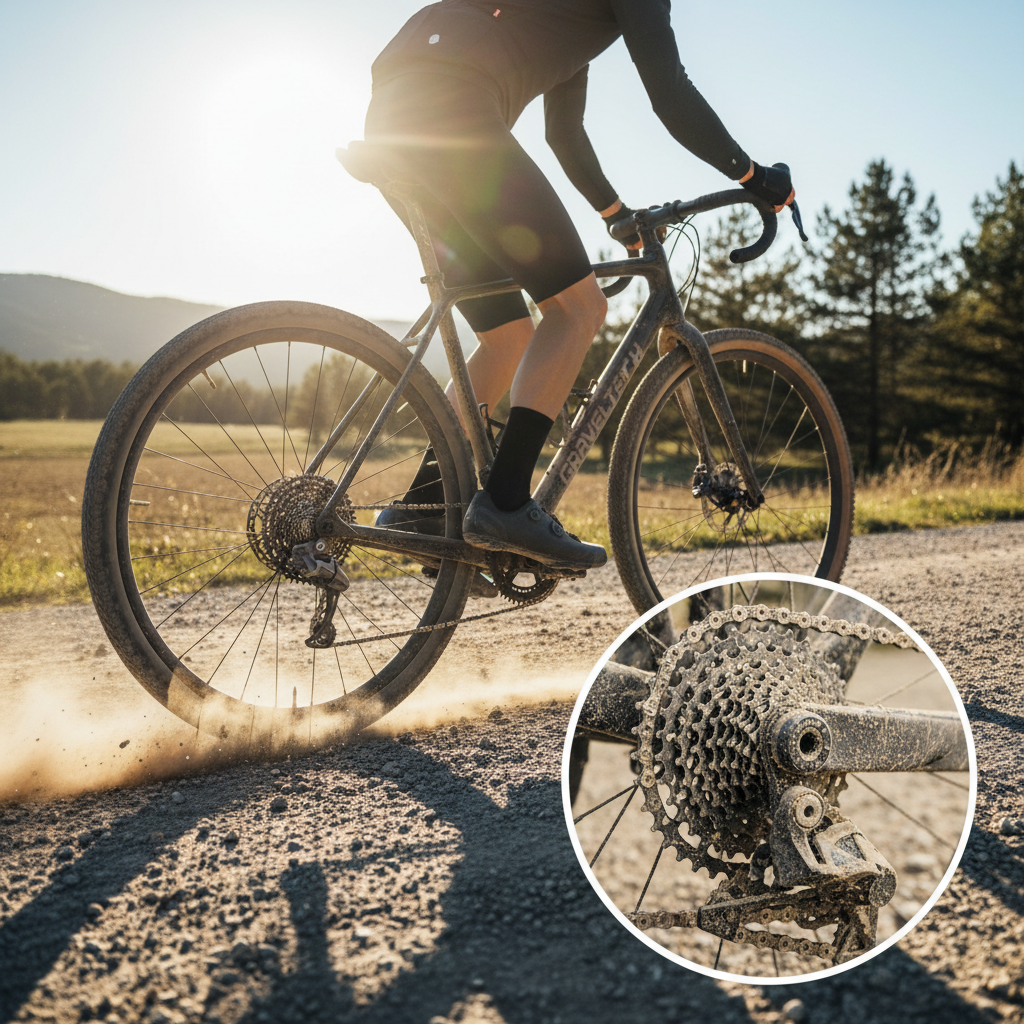
If you ride mostly dry gravel or dusty suburban paths, the best bike chain lubricant dry option is often a wax-based drip lube or a well-behaved polymer dry film. If your routes include frequent rain, you may still use a dry formula, but you will likely relube more often or switch seasonally.
Shortlist: what to look for in the best dry bike chain lubricant (2026 buying cues)
Rather than naming a single winner for everyone, these cues help you pick a product that performs like you expect.
- Clear curing guidance: good brands tell you to apply, wait, then wipe. If curing time is vague, performance can feel inconsistent.
- Low tack after wipe: once cured and wiped, the chain should not feel wet on the outside.
- Compatibility notes: some wax lubes dislike being layered over wet lubes, and vice versa.
- Applicator control: a narrow tip or precision nozzle reduces overuse, which is the easiest way to make “dry” act like “wet.”
- Temperature stability: in hot climates, a dry lube that turns gummy becomes a grit collector.
According to SHIMANO..., proper lubrication and regular cleaning help reduce drivetrain wear and maintain smooth shifting. The brand does not endorse one “dry” product as universal, but the maintenance principle holds regardless of lube family.
How to apply dry lube so it stays dry (step-by-step)
Application is where most people lose the benefit. If you rush it, even the best bike chain lubricant dry choice can feel noisy and dirty.
Practical routine (works for most drip-on dry lubes)
- Start with a reasonably clean chain: wipe with a clean rag. If the rag turns black fast, do a deeper clean before expecting “dry” behavior.
- Apply one drop per roller: aim for the inside of the lower chain run while backpedaling slowly.
- Let it penetrate and cure: many dry lubes need time for the carrier to evaporate, often 1–8 hours depending on formula and conditions.
- Wipe off the outside: this is not optional, wipe until the outer plates feel mostly dry.
- Test ride: if it sounds dry and raspy, you may need slightly more lube inside the rollers, not more on the outside.
Key takeaway: a quiet chain comes from lubrication inside the rollers, not from a shiny wet coating on the plates.
Real-world scenarios: which dry lube approach fits best?
People ask for one product, but their rides are not the same. Use these scenarios as a match-maker.
Dusty gravel, Southern and Southwest summers
- Look for wax-based drip lubes or hot melt wax if you enjoy a cleaner setup.
- Relube after dusty long rides, and wipe the chain after every outing.
Urban commuting with occasional showers
- A polymer dry film can be a good compromise if you cannot predict weather.
- If rain happens, dry the chain and relube sooner than you think, rust can start fast.
Road riding with performance focus
- Hot melt waxing can keep drivetrains remarkably clean, but it demands routine.
- If you want simpler, a high-quality wax drip lube with good curing behavior often gets you most of the “clean” feel.
Mistakes that make dry lube fail (and how to avoid them)
Most “dry lube is terrible” stories trace back to a few predictable problems. Fix these and your drivetrain usually improves quickly.
- Overapplying: extra lube outside the rollers grabs dust. Use fewer drops and wipe longer.
- No cure time: riding immediately can sling uncured carrier onto the chainstay and pull grit onto the chain.
- Mixing lube types without cleaning: layering wax over oily residue often creates a paste. Degrease before switching.
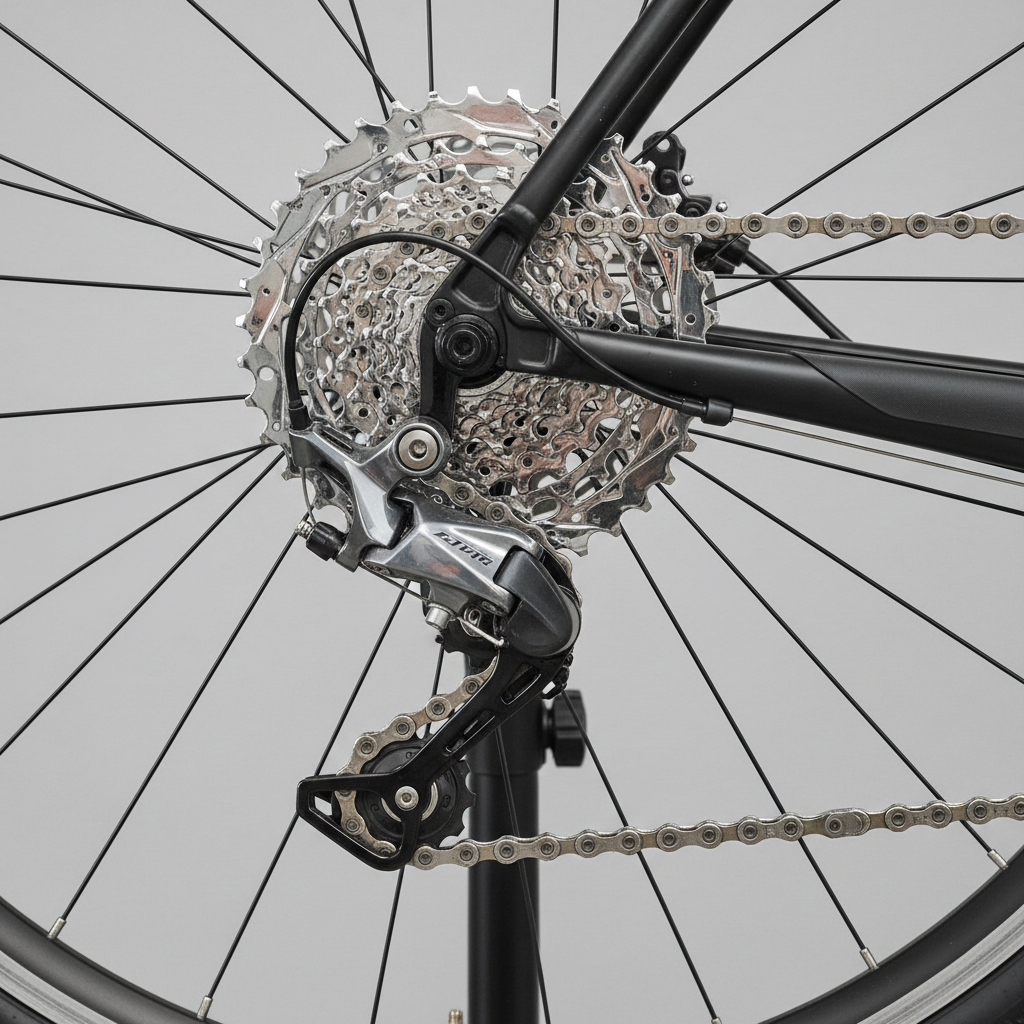
- Ignoring jockey wheels and cassette: a clean chain running through dirty pulleys gets contaminated again within minutes.
- Using dry lube in constant wet mud: it can work for a single ride, but it rarely stays quiet for long in that environment.
According to SRAM..., maintaining a clean, properly lubricated drivetrain supports consistent shifting and can reduce premature wear. In practice, “properly” often means wiping more than adding.
When to get help from a bike shop (or go deeper)
If your chain still sounds rough after cleaning and careful dry lube application, the issue may be wear or drivetrain alignment rather than lubrication.
- Chain wear: a stretched chain can run noisy and chew cogs. A shop can measure it quickly, many riders also use a chain checker tool.
- Stiff links: common after a quick chain install, they create rhythmic clicking.
- Derailleur setup: indexing issues can mimic “dry chain” noise.
- Contamination you cannot wipe off: if grime is baked in, an ultrasonic clean or chain replacement might make more sense.
If you are unsure, a quick inspection from a qualified mechanic is usually cheaper than replacing a cassette you wore out early.
Conclusion: choosing the best dry lube without overthinking it
The best bike chain lubricant dry choice is the one that matches your dust level and the amount of maintenance you will realistically do, then you apply it with patience: clean enough chain, small dose, real cure time, wipe the outside.
If you want an easy next step, pick a reputable wax-based drip lube for dry and dusty riding, run it for a few weeks, and judge it by two things only: how often the chain stays quiet, and how dirty the drivetrain looks after normal rides.
Action idea: do one “reset” clean this weekend, then commit to a wipe-and-top-up rhythm for two weeks, you will learn more than any label can tell you.