
Sports Massage can be a practical way to feel less beat up after hard training, especially when soreness, tightness, or “heavy legs” starts affecting sleep, mood, and the next workout.
A lot of people try to “power through” recovery with more stretching or more gadgets, then wonder why performance plateaus. The real value of massage is not magic healing, it’s helping your body downshift, improving how tissues tolerate load, and giving you clearer feedback on what feels truly tight versus simply fatigued.
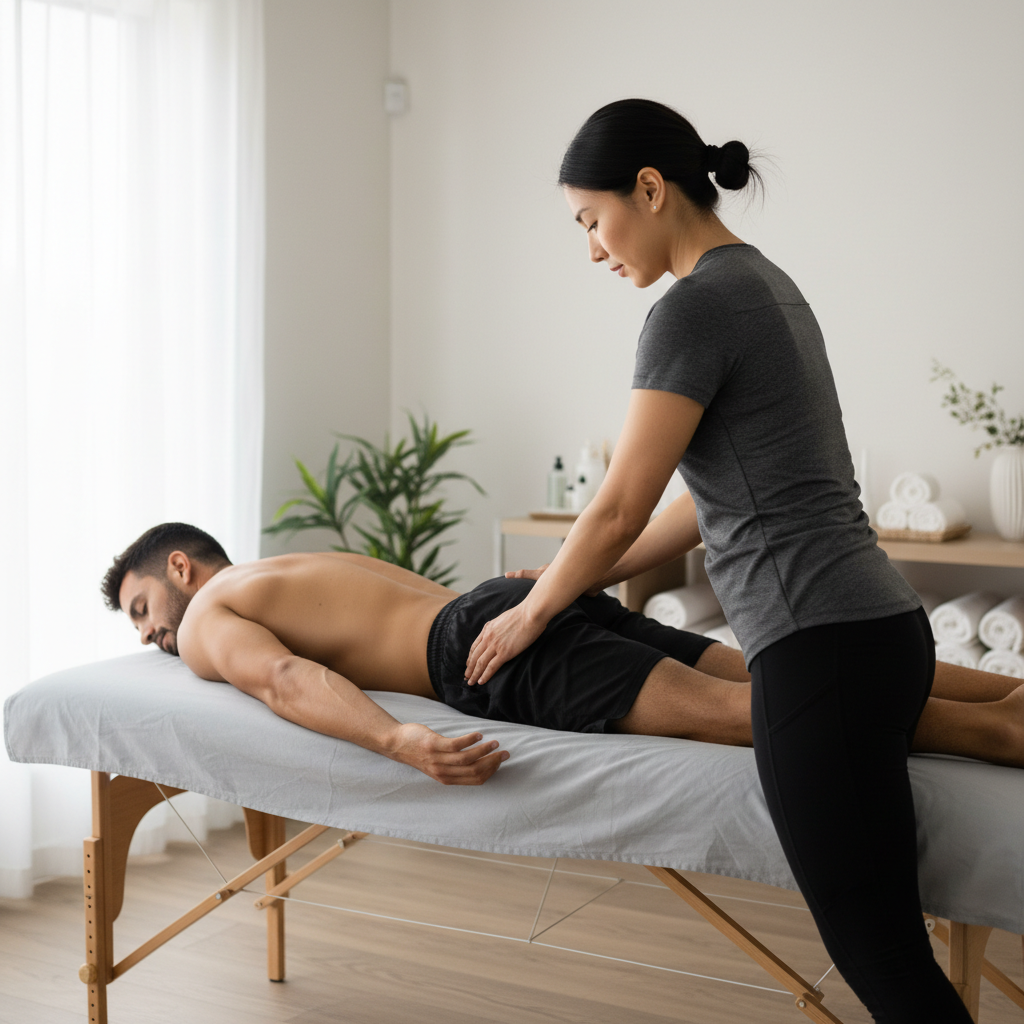
This guide breaks down what sports-focused bodywork can realistically do for muscle recovery, who tends to benefit most, what to expect during a session, and how to build a simple routine around training days without wasting money or making soreness worse.
What “muscle recovery” actually needs (and where massage fits)
Recovery is not one thing, it’s a bundle of processes: nervous system calming, muscle tissue repair, fluid movement, sleep quality, and your overall training load. Massage mainly supports the parts that get overlooked when you focus only on protein and stretching.
According to the American Massage Therapy Association (AMTA), massage is commonly used to reduce muscle tension and support relaxation. That matters because a calmer system often means better sleep, and better sleep usually means better recovery.
Here’s a grounded way to think about benefits, with fewer promises and more reality:
- Short-term relief: you may feel looser, less “stuck,” and more comfortable moving the same day.
- Perception changes: soreness might feel more manageable, even if the muscle still needs time to adapt.
- Better training consistency: when discomfort drops a notch, many people stop skipping sessions.
- Not a substitute: it does not replace progressive programming, nutrition, hydration, and rest.
Why you stay sore: common causes Sports Massage can address
Most post-workout soreness comes from training stress your body is still learning to handle. But in the real world, soreness tends to linger because of a few predictable issues.
- Load spikes: new mileage, new lifts, higher intensity, or too many “hard days” clustered together.
- Restricted movement patterns: hips, ankles, thoracic spine, or shoulders stop moving well, other tissues pick up the slack.
- Persistent tone: muscles stay “on” from stress, poor sleep, long sitting hours, or constant low-level training fatigue.
- Local hot spots: tender bands, trigger points, or protective guarding after an old strain, even if you feel “fine.”
Sports Massage tends to help most with the second, third, and fourth items, where sensation, range, and tissue tolerance are the bottleneck. If the problem is a load spike, the fix still starts with training adjustments.
Self-check: are you a good candidate right now?
Use this quick list to decide whether booking a session makes sense this week, or whether you should prioritize rest, deloading, or medical guidance.
Massage is often worth trying if you:
- Feel tightness that changes your form, stride, or depth in common movements
- Have delayed-onset muscle soreness that lasts longer than usual for you
- Notice one side consistently feels “grabbier” or more tender than the other
- Need help relaxing enough to sleep well after hard sessions
Pause and get advice (or choose a lighter approach) if you:
- Have sharp pain, swelling, warmth, bruising, or sudden loss of strength
- Suspect a tear, stress injury, or deep vein thrombosis risk
- Have a medical condition where pressure work may not be appropriate
When symptoms feel “off” rather than “normal training sore,” it’s safer to consult a qualified clinician. Massage can be supportive, but it should not delay evaluation of a potential injury.
Timing and pressure: what to do before vs. after workouts
One of the biggest mistakes is treating all massage the same. Timing and intensity change the outcome.
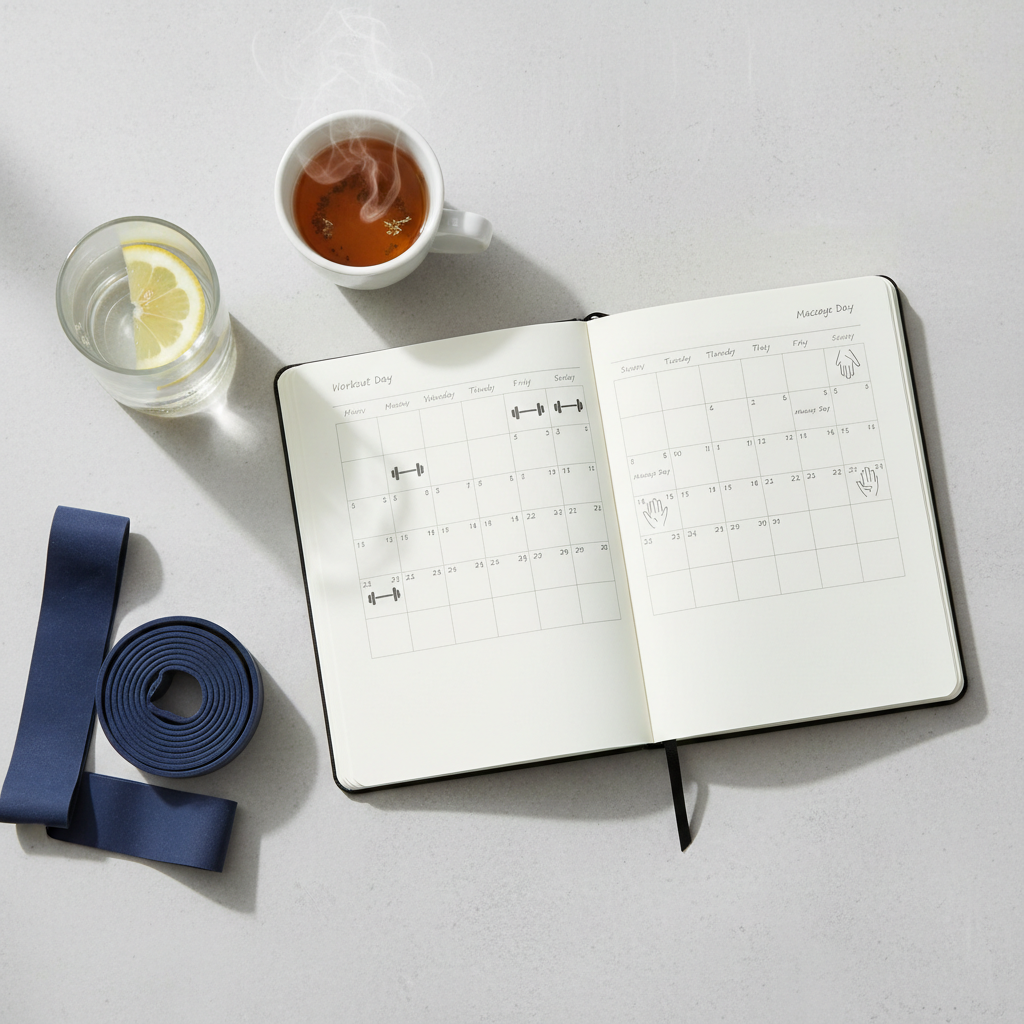
Pre-workout massage tends to be lighter and faster, focused on warming tissues and improving range without leaving you sore. Think “prep,” not “deep fixing.”
Post-workout work can be slightly deeper, but going too aggressive right after a brutal session often backfires. Many people do better with moderate pressure that reduces perceived tightness without creating a new layer of tenderness.
A simple timing guide
- Same day as a hard workout: light to moderate, more flushing, less digging.
- 24–48 hours after: often the sweet spot for deeper focused work, if soreness is stable and not sharp.
- 48–72 hours before an event: avoid “hero” deep tissue that could leave you feeling bruised.
Pressure should feel productive, not like you’re bracing or holding your breath. If you can’t relax, your nervous system is telling you it’s too much.
Techniques you’ll hear about (and how to choose)
Different therapists use different toolkits. The names can sound fancy, but you’re mainly choosing between broad relaxing work and targeted change work.
- Effleurage / flushing strokes: lighter gliding, often used to calm and warm tissues.
- Petrissage: kneading and lifting, can reduce the “dense” feeling in heavily trained areas.
- Trigger point work: sustained pressure on tender spots, useful when a small area drives a lot of discomfort.
- Myofascial techniques: slower work aimed at the connective tissue layer, often paired with breathing and movement.
- Assisted stretching: helpful when tightness is partly joint-range or movement-control related.
If you mainly feel globally fatigued, start with broad, moderate work. If one area keeps limiting your squat depth or stride, targeted work plus a mobility drill plan usually makes more sense.
A practical recovery plan: what to do for 7 days
If you want results you can actually notice, pair bodywork with a few basics. This is a realistic weekly template many active people can maintain.
7-day outline
- Day 1 (hard session): cool-down walk, fluids, normal meal, short easy mobility.
- Day 2: light training or active recovery, optional gentle massage or self-work.
- Day 3: Sports Massage session (moderate depth), then easy movement later in the day.
- Day 4: return to training with normal warm-up, monitor any “new” soreness from the session.
- Day 5: add targeted strength or mobility for the area that always tightens up.
- Day 6: easy day, prioritize sleep.
- Day 7: reassess, if soreness patterns repeat, adjust next week’s load.
Quick reference table: match approach to your situation
| Situation | What you feel | Massage approach | What to add |
|---|---|---|---|
| DOMS after a new block | Diffuse soreness, stiff mornings | Light–moderate, flushing, longer strokes | Easy walk, sleep focus, keep next session moderate |
| Chronic “tight” hips/calves | Same spots every week | Targeted work + assisted stretching | Strengthening and mobility, check footwear/workstation habits |
| Pre-race or competition week | Want to feel fresh, not sore | Lighter, shorter, nervous-system calming | Keep training sharp but reduced volume |
| “Something feels wrong” pain | Sharp, hot, swollen, unstable | Defer deep work until evaluated | Consult a qualified medical professional |
Common mistakes that make recovery worse
Some errors are surprisingly common, especially among motivated athletes who assume more intensity equals more benefit.
- Chasing pain: deep work that leaves you limping is not a badge of honor, it often adds stress.
- Ignoring load management: if weekly volume keeps climbing, massage becomes a band-aid.
- Not communicating: therapists are not mind readers, say what training you do and what you need next week.
- Skipping rehydration and food: feeling “wrecked” after a session can be partly low fuel and poor sleep.
- Expecting symmetry: one side often feels different, but big left-right differences deserve a movement screen or clinical check.
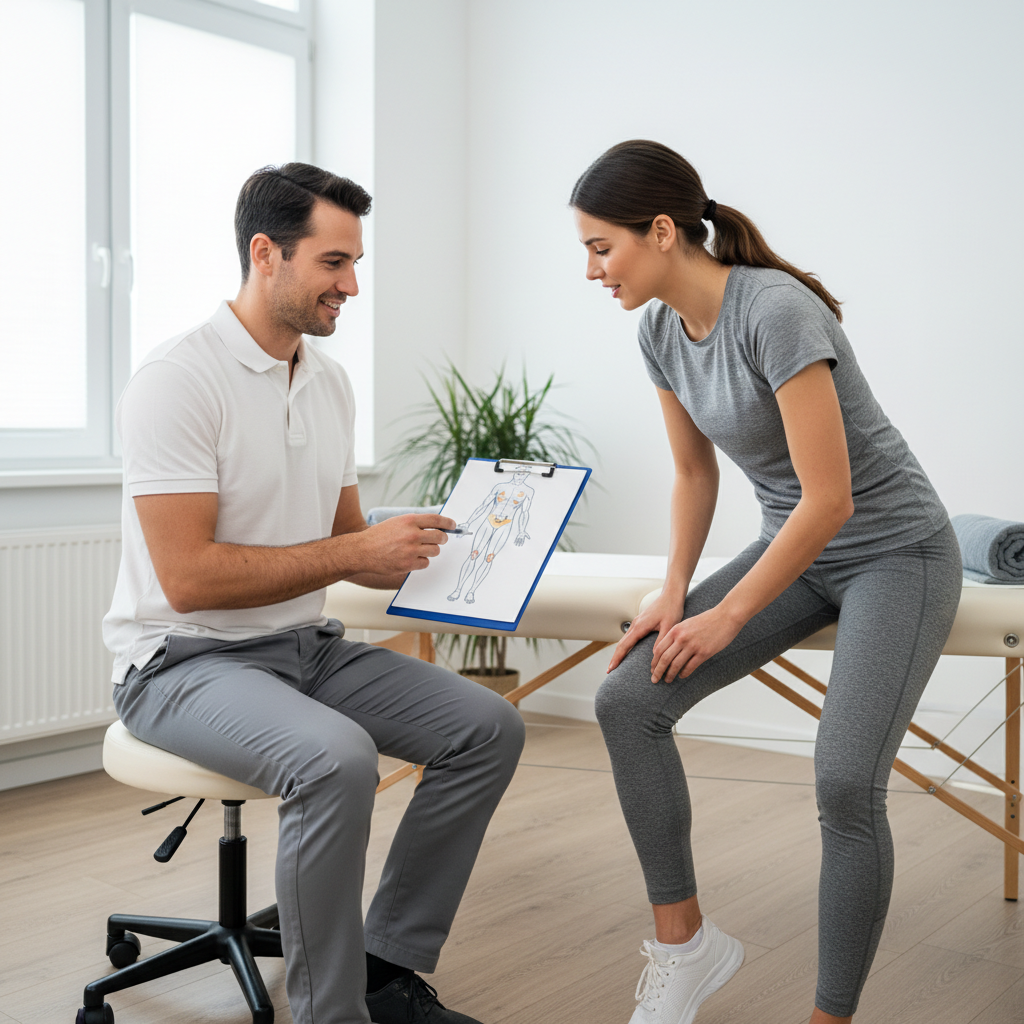
If you want one “rule,” use this: you should leave feeling clearer and looser, not freshly injured. Mild tenderness can happen, but it should fade quickly and not disrupt normal training mechanics.
When to seek professional help (beyond a massage)
Massage therapists can be excellent at spotting patterns, but some situations call for a sports medicine clinician or physical therapist. According to the Centers for Disease Control and Prevention (CDC), sudden severe pain, swelling, warmth, or trouble walking can be signs that need medical evaluation, and it’s smart not to self-diagnose.
Consider stepping up your support if:
- Pain changes your gait or lifting form for more than a few sessions
- Numbness, tingling, or radiating pain shows up
- You keep “re-tweaking” the same area
- Soreness comes with fatigue, poor sleep, or mood drops that feel bigger than normal training stress
Key takeaways (so you can act this week)
- Sports Massage is most useful when it supports sleep, movement quality, and consistency, not when it replaces smart training.
- Match intensity to timing: lighter close to hard workouts, deeper when soreness stabilizes.
- Use a simple plan: one session in a heavy week, plus easy movement and load management.
- Sharp pain, swelling, warmth, or neurological symptoms deserve medical guidance.
Conclusion: use massage as a tool, not a rescue plan
Sports Massage works best when you treat it like part of a recovery system: train with intent, recover with intent, and use bodywork to remove speed bumps that keep showing up. Book lighter work when you need to stay sharp, go more targeted when a specific area blocks good movement, and keep the communication honest so sessions match your training cycle.
If you want a simple next step, pick one hard training day this week, schedule a moderate session 24–48 hours after, and track two things only: sleep quality and how your warm-up feels. That feedback usually tells you whether to repeat the same approach or scale it back.
FAQ
How often should I get Sports Massage for muscle recovery?
It depends on training load and budget, but many recreational athletes do well with every 2–4 weeks, and more frequent sessions during high-volume blocks. If soreness stays high despite regular sessions, load management may matter more than frequency.
Is Sports Massage better than foam rolling?
They can complement each other. Foam rolling is convenient and cheap for general tightness, while hands-on work can target specific tissues and adapt pressure in a way tools can’t. If you’re unsure, start with self-work and add a session when a problem area keeps recurring.
Should a sports massage hurt to be effective?
Not necessarily. Some intensity is normal, but strong pain that makes you brace often reduces the benefit. A good session usually feels “productive” and tolerable, with less restriction afterward.
Can I train right after a massage?
Often yes, especially after a lighter session, but heavy lifting or speed work right after deep work may feel unstable or “off.” If you plan to train the same day, tell your therapist so the session stays more prep-focused.
What should I tell my therapist before we start?
Share your sport, this week’s training plan, recent injuries, and what you need next, such as a long run, a meet, or a deload week. Clear goals help them choose techniques and pressure that match your timeline.
Does Sports Massage reduce inflammation or speed healing?
It may support comfort and movement quality, but it’s not a guaranteed “healing accelerator,” and evidence varies by condition. For acute injuries, it’s safer to get professional guidance on timing and pressure.
What are signs a massage session was too intense?
Increased pain for multiple days, bruising, sleep disruption, or worsened movement quality at the next workout are common red flags. Next time, reduce pressure, shorten targeted work, or shift the session farther from hard training.
If you’re trying to train consistently but soreness keeps hijacking the week, a well-timed Sports Massage session paired with a simple recovery plan can be a low-drama way to feel better and move better, and if you’d rather not guess, ask a licensed therapist to map the work to your training calendar.