
Sports Tape can help reduce unwanted joint movement, support sore areas, and give you a little extra confidence when you train, but it only works well when you match the tape type and technique to the problem you actually have.
A lot of people tape because something “feels off” and they want insurance. That makes sense, but taping isn’t a substitute for rehab, strength work, or a clear diagnosis. Used well, it’s a short-term tool that may lower aggravation during practice, games, or a return-to-activity phase.
This guide breaks down the main tape options, when each one tends to make sense, how to decide quickly, and a few practical application tips that prevent the classic mistakes like cutting off circulation or taping the wrong direction.
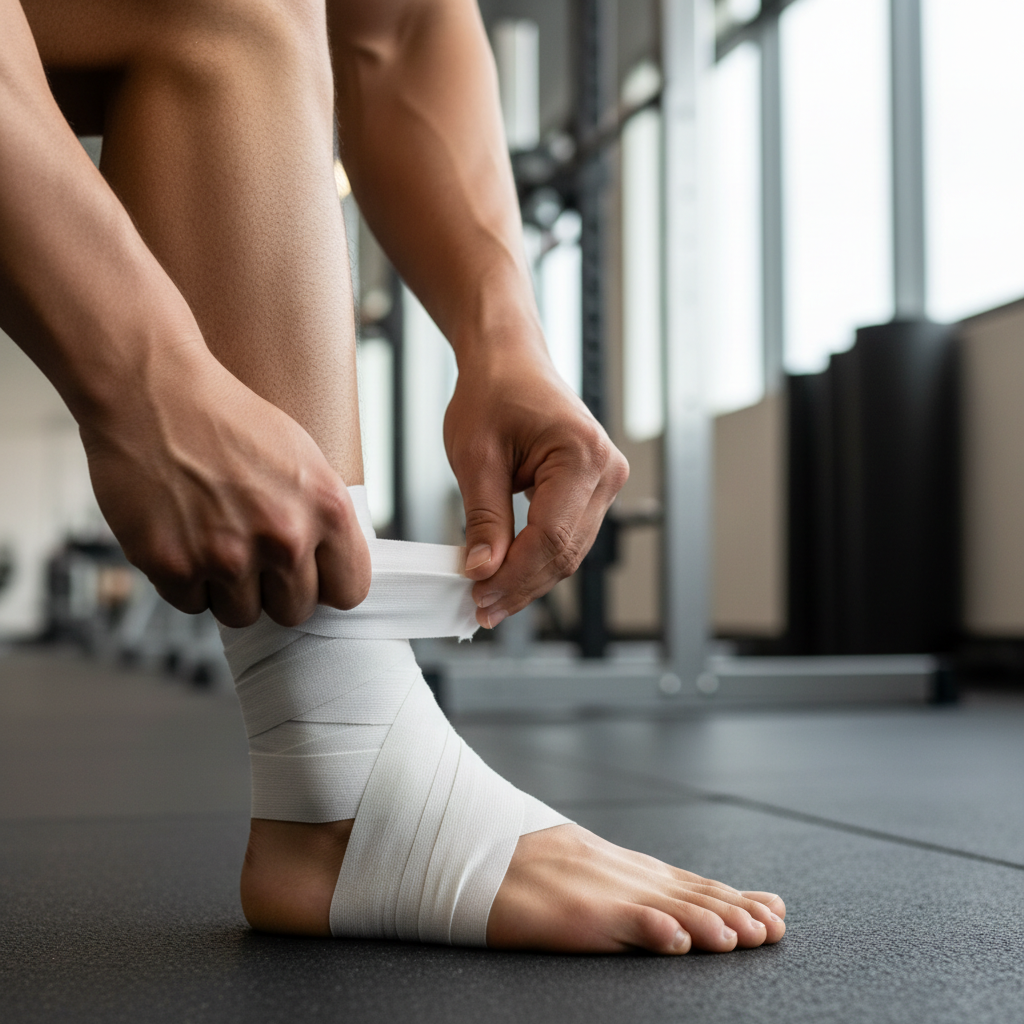
Why athletes use sports tape (and what it can’t do)
At its best, taping provides external support, which can reduce stress on a joint or tendon during movement. It may also improve “body awareness,” meaning you notice a risky position sooner and adjust before you load it hard.
What it can’t do is “fix” tissue quality, restore full strength, or guarantee injury prevention. According to American Academy of Orthopaedic Surgeons (AAOS), many musculoskeletal issues improve with appropriate evaluation and a plan that often includes activity modification and targeted rehab, and taping is typically considered an adjunct, not the main treatment.
- May help: reduce excessive motion, provide compression, cue better mechanics, support a return to activity.
- Won’t replace: progressive strengthening, mobility work, load management, and proper footwear/equipment choices.
Types of sports tape: what to pick for the job
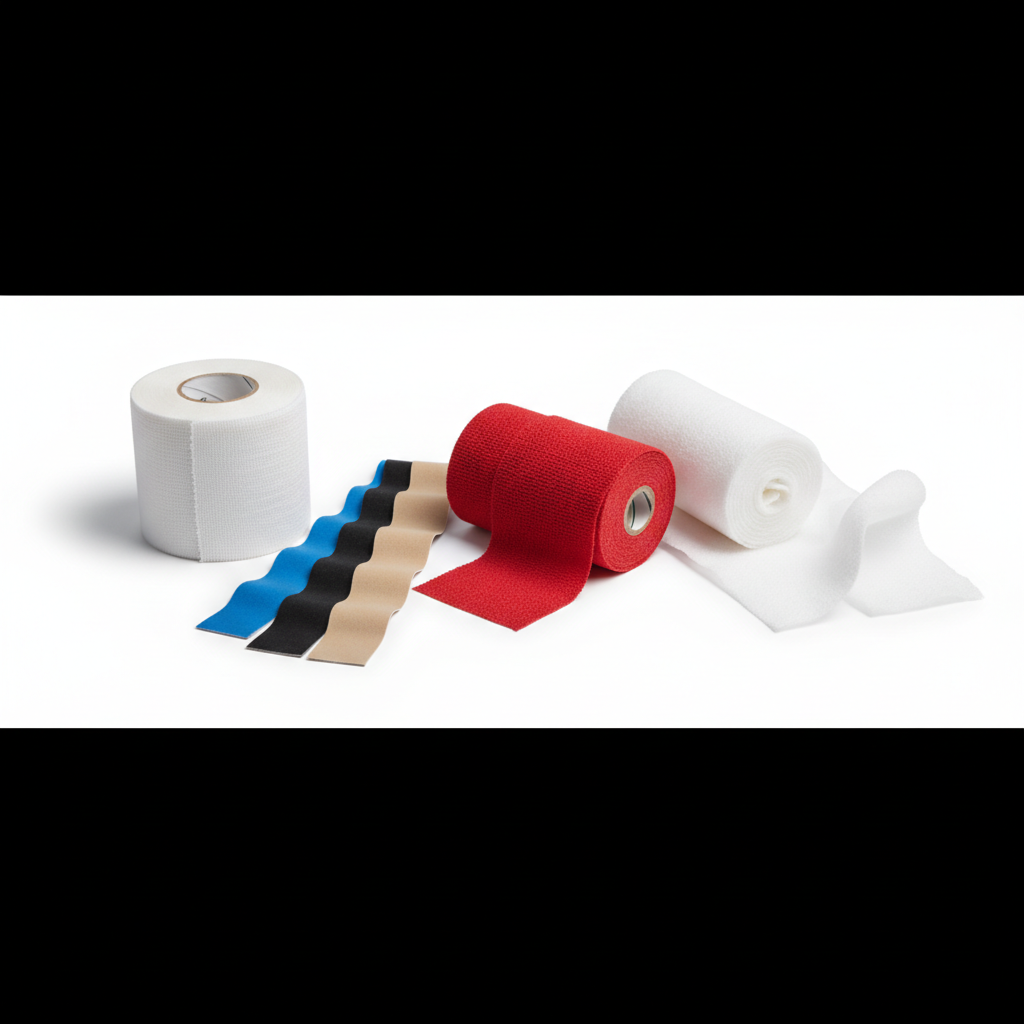
Most people lump everything into “tape,” but the feel and function differ a lot. Picking the wrong one is why taping sometimes feels useless.
Quick comparison table
| Type | Stretch? | Best for | Common downsides |
|---|---|---|---|
| Athletic rigid tape (zinc oxide style) | No | Ankles, fingers, limiting motion | Can irritate skin, needs skill, loses hold with sweat |
| Elastic athletic tape | Some | Light support, compression wraps | Easy to overtighten, may slip |
| Kinesiology tape | Yes | Swelling management, cueing movement, mild support | Not great for strong bracing, can cause adhesive reactions |
| Underwrap / pre-wrap | N/A | Skin protection under rigid tape | Reduces stick if used incorrectly |
| Cohesive wrap (self-adhering) | Some | Holding pads, light compression, quick fixes | Not precise support, can bunch |
If your goal is to limit a joint range (classic ankle sprain history, jammed finger), rigid tape usually fits better. If your goal is comfort, mild support, or swelling control, kinesiology tape or elastic options often feel more tolerable for longer wear.
A fast self-check: do you actually need tape today?
Before you reach for Sports Tape, take 60 seconds and run this quick screen. It saves you from taping through a problem that needs rest or a professional look.
- Pain level: if pain is sharp, escalating, or changes how you walk/run, taping to “push through” often backfires.
- Swelling or bruising: new swelling after a twist or impact can mean more than a minor tweak.
- Instability: if the joint feels like it might give out, you may need bracing, not just tape.
- Functional test: can you hop, cut, or do a bodyweight squat without compensation?
- Skin check: any rash, open cut, or known adhesive sensitivity?
If you check multiple “bad” boxes, it’s usually smarter to scale the session down and get assessed. According to Centers for Disease Control and Prevention (CDC), recognizing injury warning signs and responding early is a key part of safer participation in sports and physical activity.
How to apply sports tape for common trouble spots
Technique matters more than brand. If you want to keep it simple, focus on prep, direction, and tension. Also, avoid taping over lotions, sweaty skin, or body hair you just shaved the same day, irritation becomes more likely.
Ankle (history of mild sprains, returning to sport)
- Goal: limit excessive inversion and give a firm “end feel.”
- Often used: rigid athletic tape plus pre-wrap for skin comfort.
- Practical tip: anchor above the ankle, then add supportive strips that guide the ankle away from the painful direction.
If you’re not confident in ankle taping technique, an ankle brace can be a more consistent choice, especially for pickup games where you’ll sweat and the tape may loosen.
Wrist (lifting, racquet sports, mild soreness)
- Goal: reduce uncomfortable extension or provide compression without locking the hand.
- Often used: elastic athletic tape or rigid tape with careful tension.
- Watch for: finger tingling or coldness, that’s a sign you wrapped too tight.
Knee (front-of-knee discomfort, patellar tracking complaints)
- Goal: cue better mechanics and reduce irritation during activity.
- Often used: kinesiology tape or a targeted patellar strap depending on symptoms.
- Reality check: if stairs or sitting-to-standing hurts for weeks, taping can be a bridge, not the destination.
Shoulder (overhead sports, “unstable” feeling)
- Goal: gentle positional cueing, not heavy bracing.
- Often used: kinesiology tape due to flexibility.
- When taping struggles: true instability or nerve symptoms usually needs evaluation.
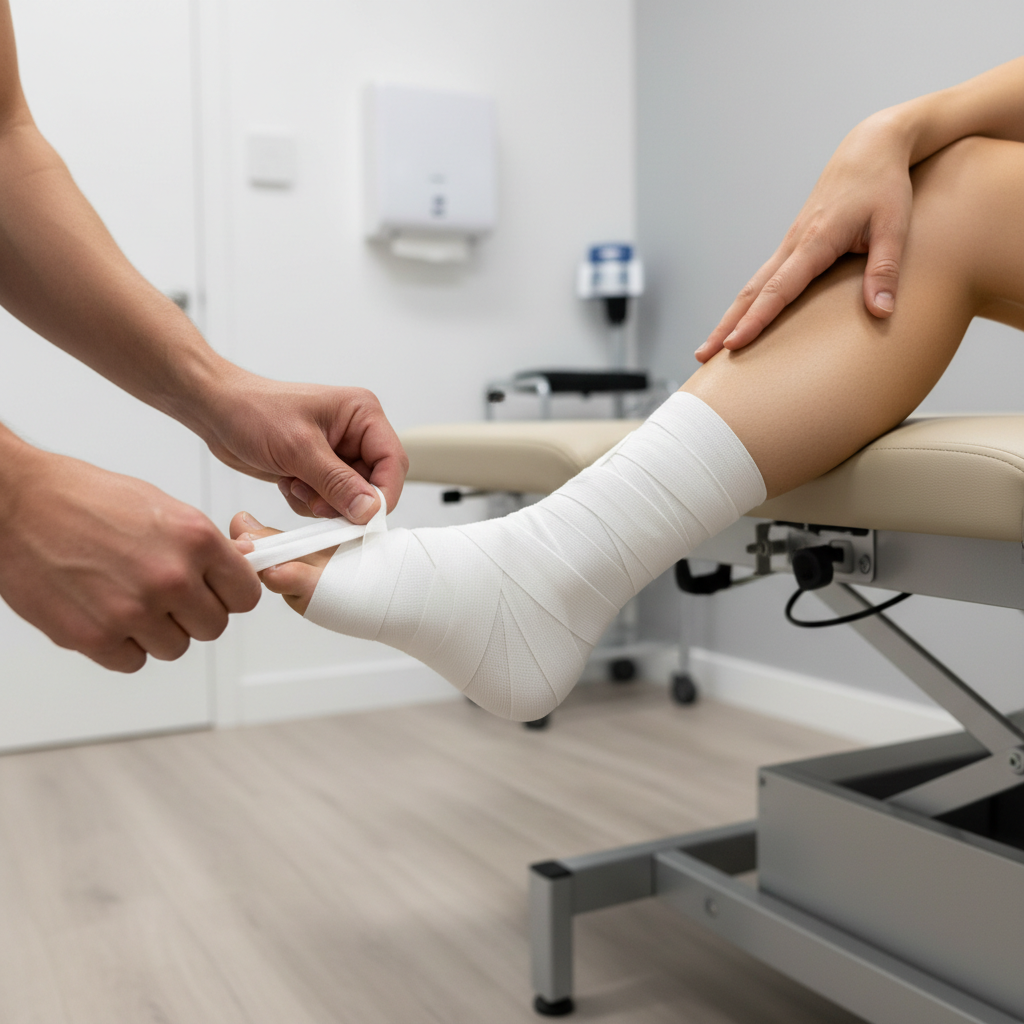
Step-by-step taping basics that prevent the usual mistakes
Most taping problems come from rushing. These basics are boring, but they’re the difference between “helpful support” and “why does this feel worse?”
- Clean, dry skin: wipe sweat and oils, let it fully dry before you start.
- Choose a position: tape the joint in the position you want to encourage, not the position that hurts.
- Use moderate tension: especially with elastic or kinesiology tape, too much pull often irritates skin and doesn’t add useful support.
- Round the corners: for kinesiology tape strips, rounded edges lift less and last longer.
- Check circulation: after taping, move the joint, then check color, warmth, and sensation downstream.
- Time limit: if you feel numbness, pins-and-needles, or increasing pain, remove it early.
Key takeaways: making Sports Tape actually work for you
If you want a simple rule: rigid tape helps when you need motion control, elastic/kinesiology helps when you need comfort and cueing. Everything else is detail.
- Match the tape to the goal, don’t expect one roll to solve every issue.
- Use taping to stay within a safe training range, not to ignore red-flag symptoms.
- Re-check mid-session, sweat and repeated movement change tension and support.
According to National Athletic Trainers’ Association (NATA), athletic trainers commonly use taping and bracing as supportive measures, but decisions should factor in injury history, sport demands, and individual response.
When to stop taping and get professional help
Sports Tape is a reasonable short-term helper, but certain situations call for a clinician. If any of the below fits, consider a sports medicine professional, physical therapist, or certified athletic trainer, especially if symptoms persist.
- Severe swelling after a twist, fall, or collision, or pain that keeps rising over 24–48 hours.
- Visible deformity, inability to bear weight, or a joint that feels unstable at rest.
- Numbness, tingling, or color change in the hand/foot, even if you loosen the tape.
- Repeated re-injury in the same spot, where taping has become “required” to participate.
- Skin reactions such as blistering, hives, or intense itching after adhesive exposure.
Practical game-day workflow (so you’re not taping in a panic)
If you’re taping for a practice or game, a small routine keeps it realistic.
- Do a short warm-up first, tape on cold, stiff joints tends to feel wrong.
- Apply 10–20 minutes before activity so adhesive can set and you can test movement.
- Bring backup: scissors, alcohol wipes, and a spare roll, tape failures happen.
- After activity, remove gently, wash the area, and watch for irritation.
If you’re using Sports Tape multiple times per week, it’s worth pairing it with a simple strengthening plan, even 10 minutes a few days per week often changes how “necessary” support feels over time.
Conclusion
Sports Tape can be a smart, practical layer of protection when you use it for the right reason, with the right material, and with realistic expectations. If you’re dealing with recurring pain or instability, treat taping as a temporary support while you sort out the underlying cause, your future self usually thanks you for that.
Action idea: pick one joint you tape most often, learn one reliable method for it, and keep notes on what improves or worsens symptoms across two weeks, that small feedback loop helps you decide whether to adjust training, change tape type, or ask a pro.
FAQ
What is Sports Tape used for in injury protection?
It’s commonly used to support joints, limit painful ranges of motion, or add compression and cueing. It may help you stay within a safer movement pattern, but it’s not a guarantee against injury.
Is kinesiology tape or rigid athletic tape better?
It depends on the goal. Rigid tape is typically better when you need firmer motion control, while kinesiology tape is often chosen for comfort, skin feel, and movement cueing during longer wear.
How tight should sports tape be?
Tight enough to feel supportive, not tight enough to change color, temperature, or sensation downstream. If you notice tingling, throbbing, or cold fingers/toes, remove and reapply with less tension.
Can I wear sports tape all day?
Some people tolerate kinesiology tape for longer periods, but skin irritation is common with extended wear. If you need all-day support, a brace or professional guidance may be more practical.
Does Sports Tape help prevent ankle sprains?
For athletes with prior sprains, taping or bracing may reduce risky ankle motion during play. The benefit varies by sport and technique, and it works best alongside balance and strengthening work.
What should I do if tape causes a rash or blisters?
Remove it, clean the area, and avoid reapplying until the skin calms down. You might need a different adhesive, a barrier product, or a non-adhesive support, a clinician can help you choose safely.
Should I tape before or after warming up?
Many athletes feel better taping after a short warm-up, then testing movement before full intensity. That approach reduces the odds of taping in a stiff position that feels restrictive later.
If you’re trying to protect an old injury and want a more consistent setup, consider getting one session with a physical therapist or certified athletic trainer, they can confirm whether Sports Tape is appropriate for your symptoms and teach a repeatable method you can do on your own.