
how to lubricate a bike chain properly comes down to two things most riders miss: choosing the right lube for your conditions, and wiping off the excess so it doesn’t turn into a dirt magnet.
If your chain sounds dry, looks black fast, or your shifting feels rough, it’s usually not because you “forgot lube,” it’s because the lube routine didn’t match where you ride. Road dust, wet commutes, indoor trainers, and sandy trails all punish a chain in different ways.
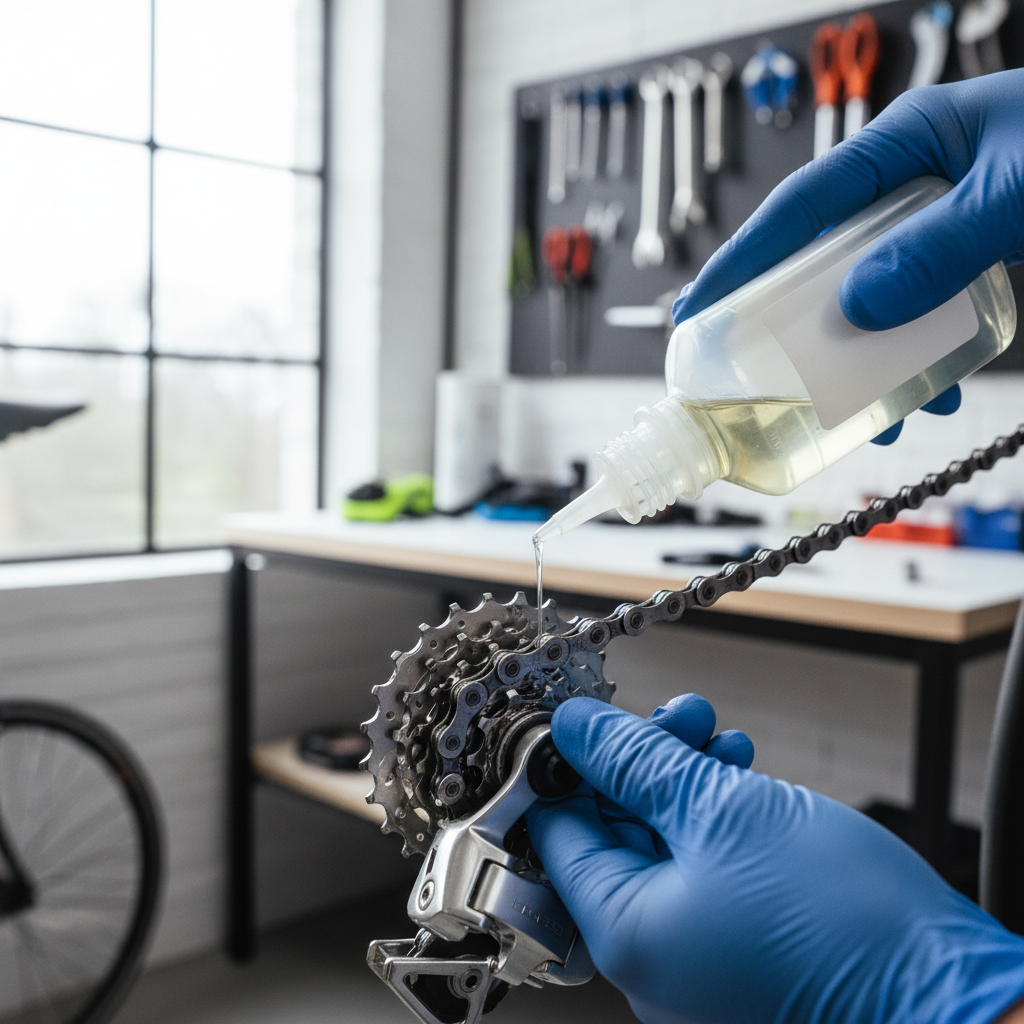
This guide keeps it practical: what causes noisy chains, how to tell if your chain needs attention, and a step-by-step method you can repeat in five minutes without making a mess.
Why chains get noisy (even when you “just lubed it”)
A bike chain needs lubricant inside the rollers, where metal parts slide under load. When lube sits mostly on the outside plates, it attracts grime and still leaves the high-friction areas under-served.
- Too much lube: excess collects dust, turns into paste, and grinds the drivetrain.
- Wrong lube type: wet lube in dry conditions often looks “protective” but can gunk up quickly, while dry lube in heavy rain can wash out fast.
- Dirty chain before lubing: adding lube on top of grit traps abrasives where you don’t want them.
- No time to set: many lubes work better after a short soak-in period, wiping immediately can pull it back out of the rollers.
According to Park Tool, the goal is to lubricate the rollers and then remove excess from the outside so the chain stays cleaner.
Quick self-check: do you need to clean, lube, or both?
Before you reach for a bottle, take 30 seconds to diagnose. You’ll save time and avoid over-lubing.
- Dry squeak or “chirp” while pedaling: often needs lubrication, sometimes after a light wipe-down.
- Chain looks wet and black: usually too much lube and/or overdue cleaning.
- Gritty feel when backpedaling: debris in chain and jockey wheels, plan on cleaning first.
- Rust tint: needs cleaning and lubrication soon; persistent rust might mean the chain is near end-of-life.
- Recently rode in rain or through puddles: even a good application may need a refresh.
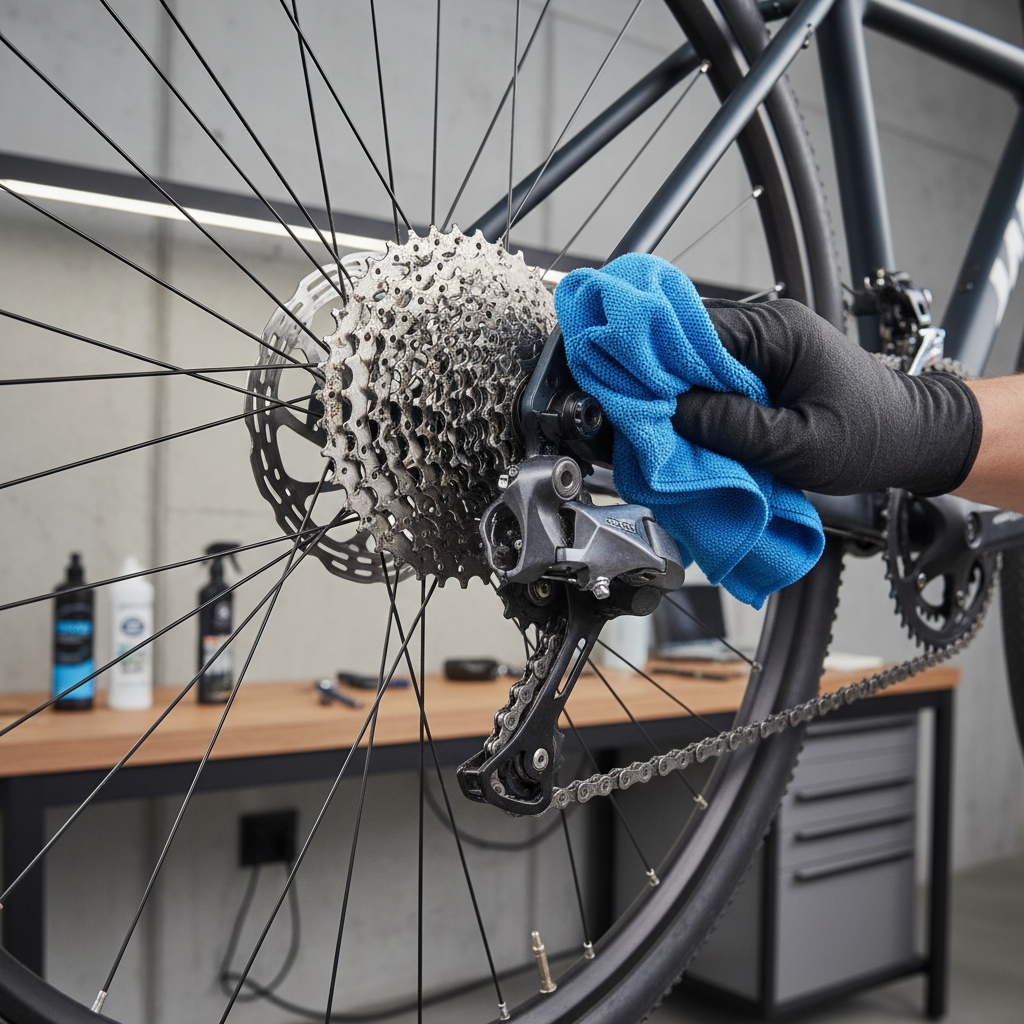
If your rag comes away nearly clean, you can often skip full degreasing and just do a wipe-and-lube. If it’s heavy black immediately, do a real clean first.
Choose the right chain lube (and when each makes sense)
Picking lube is less about brands and more about conditions. Here’s a practical comparison you can use.
| Type | Best for | What it feels like | Watch-outs |
|---|---|---|---|
| Dry lube (wax-based) | Dry roads, dusty trails | Cleaner chain, less grime | May wash out in rain, needs more frequent reapply |
| Wet lube | Rainy commutes, wet conditions | Stays put, quieter in wet | Can build up gunk in dry/dusty areas if overused |
| All-condition | Mixed weather, “one bottle” riders | Middle-ground performance | Not always ideal at extremes (heavy rain or heavy dust) |
| Hot-melt wax / drip wax systems | Clean drivetrains, long-term cleanliness focus | Very clean running when dialed | Setup time, requires good initial deep clean |
If you ride mostly on paved roads in dry states, a dry lube or wax-style approach often keeps the drivetrain calmer. If you commute year-round in the Pacific Northwest or similar, wet lube typically makes life easier.
Step-by-step: how to lubricate a bike chain properly
This routine works for most bikes: road, gravel, MTB, hybrid, even a lot of e-bikes. Give yourself a rag, your lube, and ideally a small brush.
1) Start with a quick wipe (even if you plan to clean)
Hold a clean rag around the lower chain run and backpedal 10–20 revolutions. You’re removing surface dirt so it doesn’t get pushed deeper.
2) Clean if needed (light vs deep)
- Light clean: wipe thoroughly, brush the jockey wheels, then move on to lube.
- Deep clean: use a chain cleaner tool or degreaser and rinse/wipe dry. Let the chain dry fully before lubricating.
According to Shimano, using appropriate cleaning and lubrication helps maintain drivetrain performance; harsh methods or incorrect chemicals can shorten component life, so check product compatibility if you’re unsure.
3) Apply lube to the inside of the chain, one drop per roller
Point the nozzle at the inside of the lower chain run (the part facing the chainrings), and backpedal slowly. Aim for controlled drops, not a stream.
- For most adult bikes, one full loop around the chain is enough.
- If you’re using a thicker wet lube, go lighter than you think.
4) Let it penetrate
Give it 5–15 minutes if you can. This is the unglamorous part, but it’s where the lubricant works into the rollers. If you’re rushing out the door, even a couple minutes is better than zero.
5) Wipe off the excess until the outside feels almost dry
This is the step many people skip. Wrap the rag around the chain again and backpedal until the outer plates feel mostly dry to the touch.
Key point: you are not “removing the lubrication,” you’re removing the extra that would otherwise collect grit.
6) Quick function check
- Shift through gears briefly (on a stand, or during the first minute of your ride).
- Listen for persistent squeaks; if it still sounds dry, you may not have gotten lube into the rollers, or the chain may be worn.
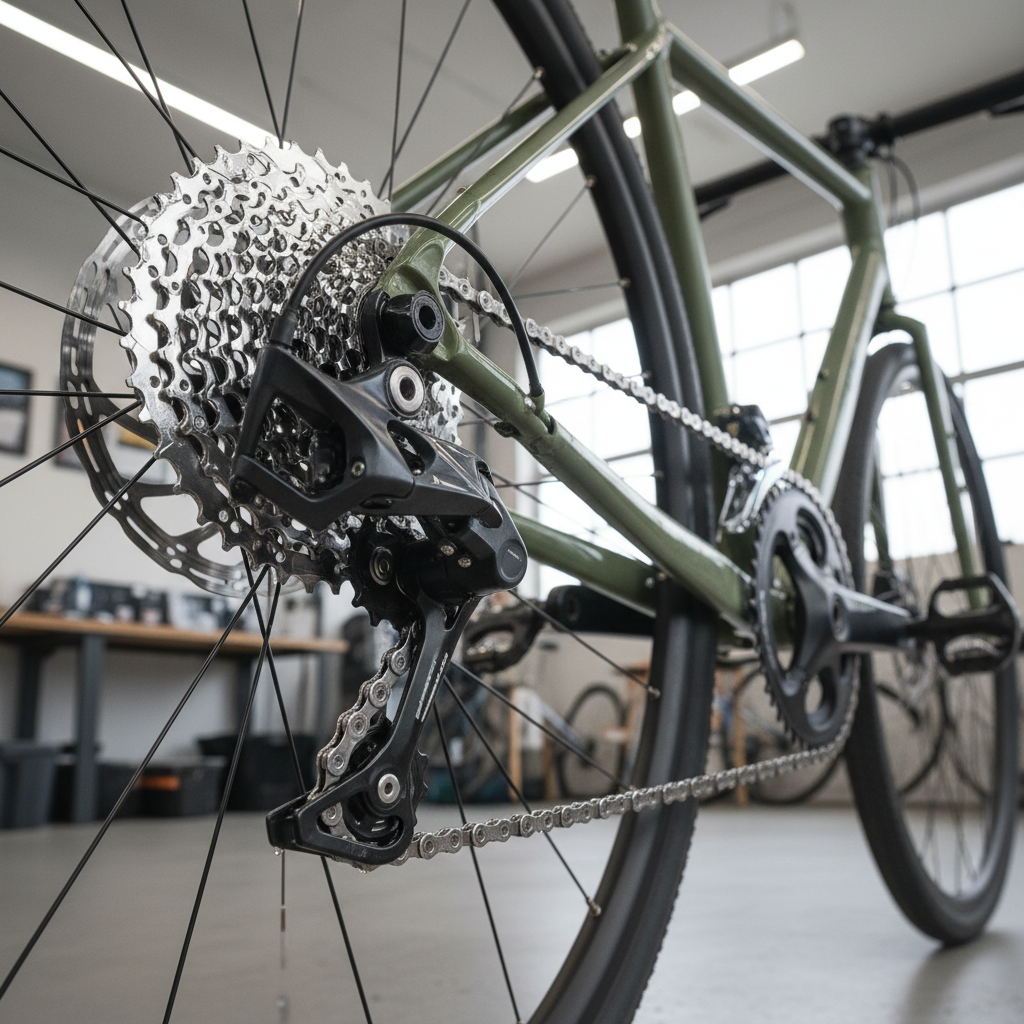
Practical schedules: how often to lube (without obsessing)
There isn’t one universal interval, but these guidelines usually keep riders out of trouble.
- Dry road riding: every 100–200 miles, or when the chain starts to sound “papery.”
- Wet conditions: after a rainy ride, or every 50–150 miles depending on how soaked things get.
- Dusty gravel/MTB: more frequent light applications, plus regular wiping.
- Indoor trainer: less contamination, but sweat can cause corrosion, wipe often and lube when it starts sounding dry.
One simple habit works in most cases: wipe after dirty rides, lube when noise starts, and don’t wait for grinding.
Common mistakes that shorten drivetrain life
- Lubing a filthy chain: it feels smoother for a moment, then wears faster.
- Spraying random solvents: some sprays can push grit around or strip grease from places you didn’t intend, use bike-appropriate products.
- Ignoring chain wear: a worn chain can keep sounding rough no matter how perfect your lube routine is.
- Over-degreasing too often: constant deep degreasing can be counterproductive for casual riders; frequent wiping and correct lubrication often gets you 80% there.
- Mixing incompatible lubes: switching from wet to wax without cleaning can create weird buildup, a reset clean helps.
When to get help (or at least check a few things)
If you follow how to lubricate a bike chain properly and the bike still runs loud, the issue may not be lubrication.
- Check chain stretch: a basic chain checker tool can reveal wear; replacing early can protect the cassette.
- Look for stiff links: they can click each pedal stroke and won’t always fix with lube.
- Inspect derailleur pulleys: packed pulleys add noise and drag.
- Persistent grinding: consider a bike shop inspection, especially if you ride high mileage or have an e-bike with higher chain loads.
If you’re unsure about solvents, compatibility, or wear measurements, a local shop can usually diagnose it quickly, and it may save parts in the long run.
Key takeaways and a simple next step
Most riders get better results by doing less, but doing it cleaner: lube the rollers, give it a minute to soak in, then wipe the outside until it feels almost dry. That routine reduces noise, improves shifting feel, and often keeps the drivetrain cleaner between full washes.
Pick one thing to do today: wipe your chain and re-lube with a lighter hand, then see how much longer it stays quiet. If it still sounds rough, check chain wear before buying more products.
FAQ
- Should I lube my bike chain before or after a ride?
In many cases, after a ride works well because you can wipe off grime first and let the lube penetrate before the next ride. If you must do it right before riding, wipe extra carefully so the outside doesn’t sling oil. - How do I know I used too much chain lube?
If the chain looks wet hours later, or you see black splatter on the chainstay or rim, that’s usually excess. Wipe longer; the chain should look more “clean metal” than “shiny wet.” - Can I use WD-40 to lubricate my bike chain?
Many riders use it as a water displacer or light cleaner, but it’s typically not a long-lasting chain lubricant. If you use it, follow up with a proper bike chain lube, especially for outdoor riding. - Do I need to degrease every time before lubing?
No. If the chain is only lightly dusty, a thorough wipe is often enough. Degrease when you see heavy black buildup, gritty feel, or when switching lube types. - What’s the best lube for wet weather commuting?
Wet lube often holds up better in rain, but it can attract grime, so wiping after rides matters. If your route is sandy or dusty even in wet seasons, an all-condition option may feel easier to manage. - Why is my chain still squeaking right after lubing?
Usually the lube didn’t reach the rollers, or the chain is contaminated and needs cleaning first. It can also be a worn chain or a stiff link, which lubrication won’t always solve. - How can I keep my chain clean longer?
Use a lube that matches conditions, apply sparingly to the inside of the chain, and wipe the outside until nearly dry. That last wipe is what keeps dirt from sticking.
If you’d rather not think about products and intervals, a simple approach is to keep a rag and your preferred lube near where you store the bike, then do a quick wipe-and-lube whenever the drivetrain starts sounding dry, it’s the least dramatic routine that still works.