
Best cycling socks moisture wicking sounds like a small gear detail, until you finish a ride with soggy feet, rubbing at the ball of your foot, and that warm “something’s off” feeling inside your shoe.
Good socks manage sweat, reduce friction, and help your shoes fit the same at mile 5 and mile 50. Bad socks do the opposite, they trap moisture, bunch up, and turn a normal ride into a blister prevention mission.
This guide breaks down what actually makes a pair work, how to choose by conditions and riding style, and what to watch for so you don’t pay premium prices for features you won’t feel on the bike.
What “moisture wicking” really means for cycling socks
Moisture wicking is about moving sweat off your skin and spreading it through the fabric so it can evaporate faster. That’s different from “thin” or “breathable” alone, a sock can feel airy yet still stay damp where it matters.
On a bike, your foot sweats inside a relatively closed system, shoe upper, insole, and your pedaling heat. The sock has to do three jobs at once: pull moisture, resist saturation, and avoid creating friction points when wet.
Why cyclists feel the difference quickly
- Hot spots: moisture increases friction, and friction becomes heat.
- Blisters: skin softens when damp, then rubs easier.
- Fit drift: a soaked sock can feel thicker and change how your shoe holds your foot.
According to the American Academy of Dermatology, friction and moisture are common factors that contribute to blisters, which is exactly why sock choice matters more than people expect.
Materials that work (and what to avoid)
If you’re shopping for the best cycling socks moisture wicking, fabric choice gets you most of the way there. Not because one fiber is “magic,” but because different fibers handle sweat and drying time differently.
Common sock materials, in plain English
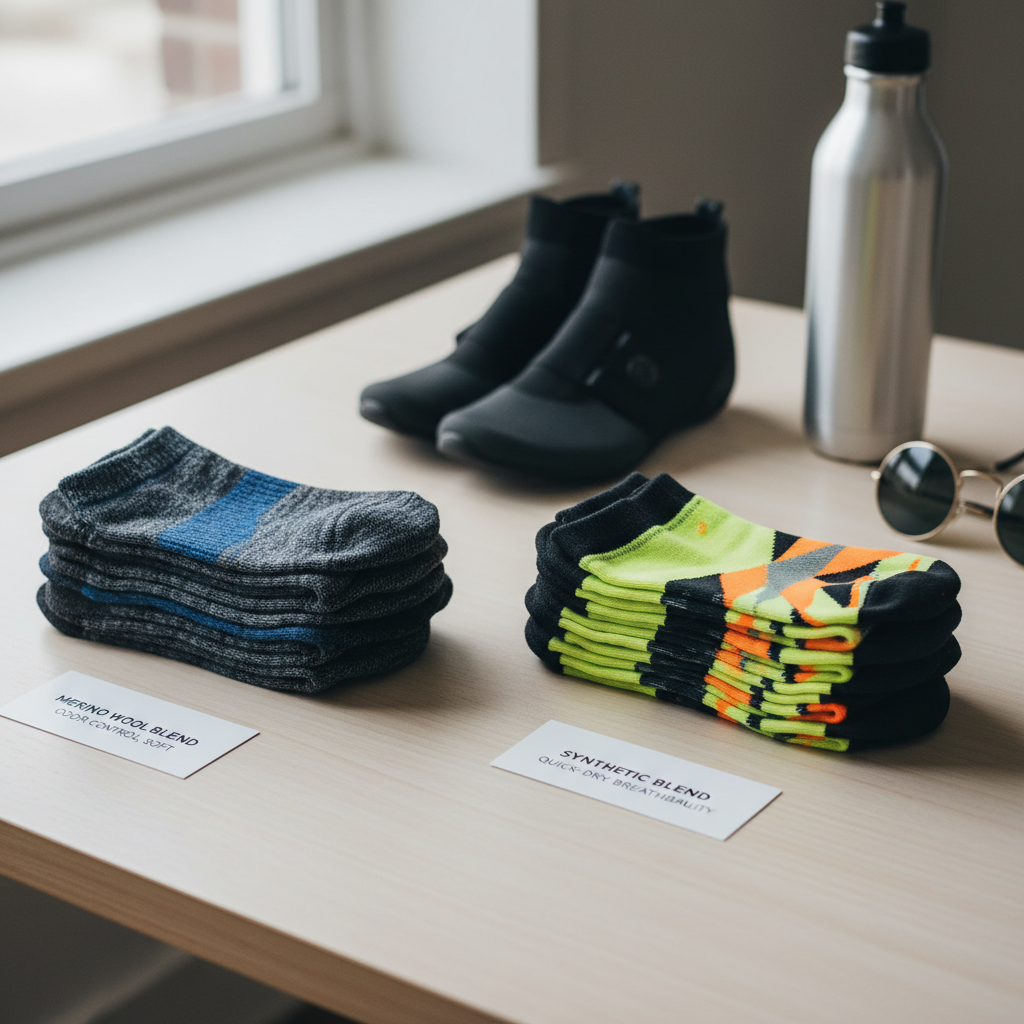
- Merino wool blends: often comfortable across temperature swings, can feel less clammy, usually odor-resistant. Great for longer rides and shoulder seasons. Drying speed varies by knit and blend.
- Synthetic blends (nylon/polyester/polypropylene): typically dry fast and feel light, often ideal for hot weather and high-sweat riders. Quality varies a lot by brand and knit structure.
- Elastane/spandex: not for wicking, but for fit stability, helps prevent bunching and heel slip.
- Cotton: usually a poor match for cycling because it holds water and stays wet longer, which can increase rubbing.
According to REI, cotton tends to absorb and retain moisture, while wool and synthetics generally manage moisture better for active use. That’s not cycling-specific, but it maps well to what happens inside cycling shoes.
Fit and construction: where most “good socks” fail
Even the right material can disappoint if fit is off. Most complaints I see from riders aren’t “this fabric doesn’t wick,” it’s “the sock moved,” “the toe seam annoyed me,” or “it felt fine until it got wet.”
Construction details worth paying attention to
- Snug midfoot/arch support: helps reduce sliding during hard efforts and climbs.
- Seam feel at the toe: “seamless” is sometimes marketing, what matters is whether you can feel a ridge under pressure.
- Heel pocket shape: a defined heel usually reduces bunching behind the ankle.
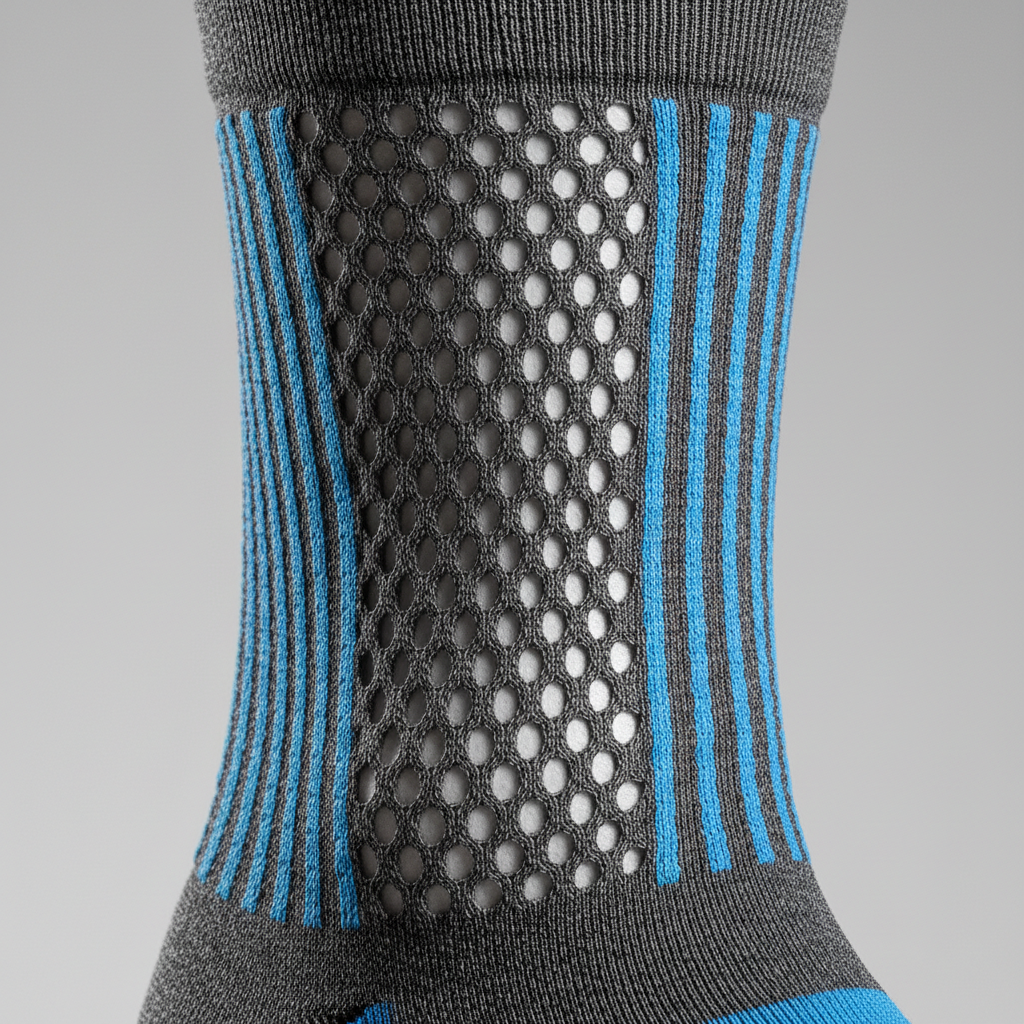
- Mesh zones: targeted vent panels on top of the foot often help more than all-over thinness.
One practical test: put the sock on, then mimic a few pedal strokes and ankle flexes. If you feel the sock rotate or wrinkle now, it won’t improve once sweat shows up.
Quick selection table: match socks to your riding conditions
There isn’t one universal “best,” there’s a best match. Use this table as a shortcut, then fine-tune by your sweat level and shoe ventilation.
| Condition | What to prioritize | Material direction | Notes |
|---|---|---|---|
| Hot & humid rides | Fast drying, high airflow | Synthetic blend with mesh | Choose thinner knits, watch for slipping if too slick |
| Hot & dry rides | Vent + friction control | Synthetic or light merino blend | Blisters often come from dust + dry rubbing, not just sweat |
| Cool mornings, warmer afternoons | Temperature range comfort | Merino blend | Look for moderate thickness, not winter weight |
| Rainy / wet roads | Low water retention | Synthetics, tighter knit | No sock stays “dry,” aim for less squishy and less friction |
| Indoor trainer | Sweat management | Synthetics with strong wicking | More sweat pooling, consider shoe ventilation and fans too |
A self-checklist: do you actually need “more wicking,” or a different fix?
Before buying another drawer of socks, it helps to diagnose the real issue. A lot of “my socks don’t wick” situations are really shoe or fit problems.
- Feet feel swampy but socks aren’t soaked: shoe ventilation or insole may be trapping moisture.
- Blisters in the same spot every time: sock movement, shoe fit, or seam pressure is likely.
- Socks soak through fast on easy rides: you may be a high-sweat rider, look for thinner, higher-synthetic knits.
- Toe area always damp: consider socks with vent mesh and shoes with better toe box airflow.
- Heel slipping: sizing or heel pocket shape, wicking won’t solve it.
If you check three or more boxes, you probably need to change something, but it might be sock construction and shoe setup together, not just “more moisture wicking.”
How to choose the best moisture-wicking cycling socks (step-by-step)
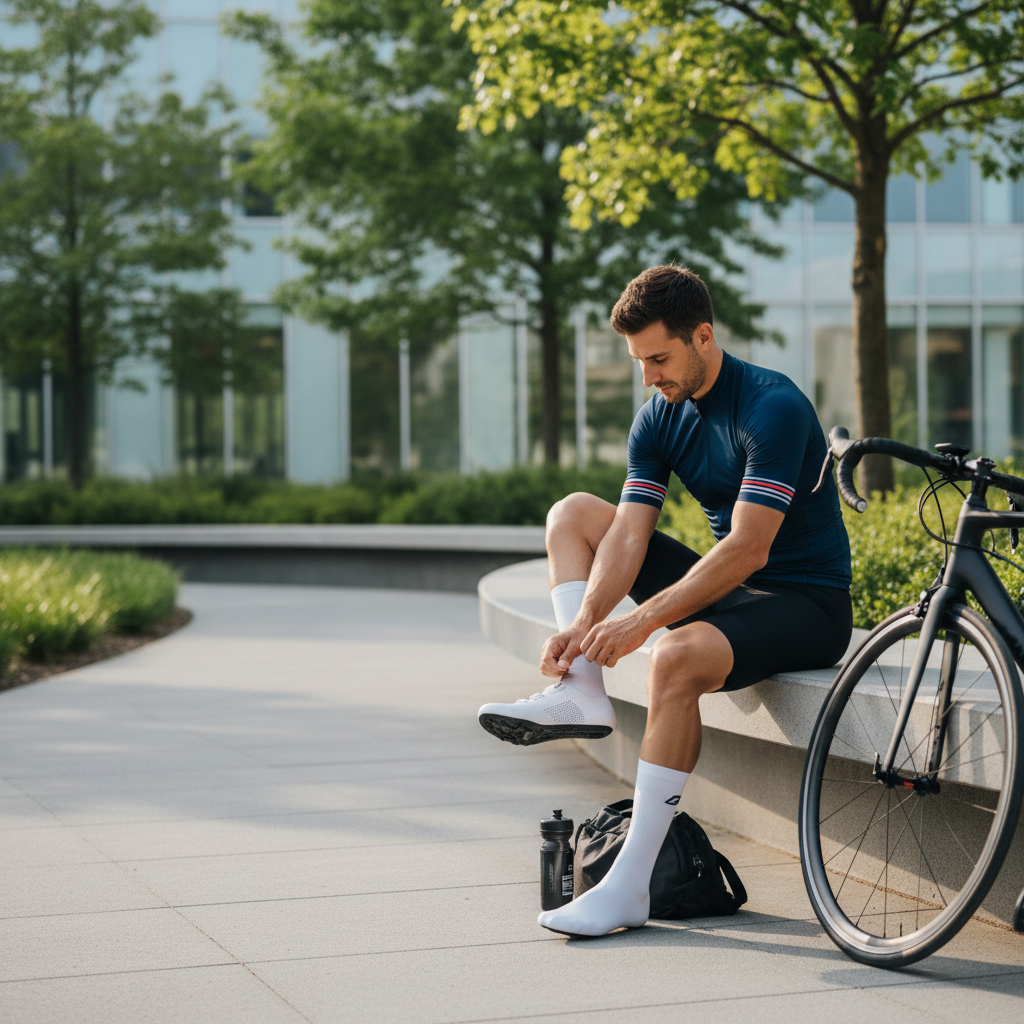
This is the buying flow that tends to reduce regret, because it starts with your ride reality, not the product page.
Step 1: Pick thickness based on shoe fit
If your shoes already fit snug, a thick sock can create pressure points and numbness. If shoes feel slightly roomy, a medium knit can stabilize your foot. When in doubt, go thinner for summer and add warmth with other layers in cooler months.
Step 2: Choose the fiber direction
- If you ride mostly in heat, start with synthetic blends.
- If you ride across mixed temps or do long days, merino blends often feel calmer on skin.
Step 3: Decide cuff height like a grown-up
Style matters, but function does too. Higher cuffs can reduce grit and brush contact, lower cuffs can feel cooler. Just avoid cuffs that bind, a tight band can leave marks and feel distracting on long rides.
Step 4: Look for anti-slip cues
Arch compression, structured heel, and consistent sizing are the quiet features that keep everything in place when the sock gets damp.
Care tips that keep wicking performance from fading
Some socks feel great for two weeks, then start feeling clammy. Often it’s care, detergent residue and fabric softeners can interfere with how fibers move moisture.
- Skip fabric softener: it can leave coatings that reduce wicking.
- Use mild detergent: especially for merino blends, harsh formulas may shorten lifespan.
- Avoid high heat when possible: too much heat can stress elastic, which hurts fit stability.
- Air dry when convenient: not mandatory for all socks, but it’s gentler.
According to The Woolmark Company, wool care guidance often recommends gentle washing and avoiding high heat to help maintain performance and shape, which translates well to merino cycling socks.
Common mistakes (and what to do instead)
A few patterns show up again and again, especially with riders who keep chasing the best cycling socks moisture wicking but still end rides uncomfortable.
- Mistake: buying the thinnest sock possible and expecting fewer blisters.
Do instead: prioritize fit stability and smooth toe feel, then go thin. - Mistake: assuming “compression” equals better performance.
Do instead: look for light arch support, not tight medical-style compression unless a clinician recommends it. - Mistake: ignoring shoes and insoles.
Do instead: check insole dryness, ventilation, and whether your shoe is simply too warm for your climate. - Mistake: keeping old socks that lost elasticity.
Do instead: retire pairs that twist or slide, even if the fabric still looks fine.
When it makes sense to ask for professional help
If you get recurring blisters, numbness, or burning sensations, socks might be part of the issue but not the whole story. A bike fitter can check cleat position and shoe setup, and a medical professional can help if you suspect circulation, nerve irritation, or a skin condition.
According to the American Podiatric Medical Association, foot pain and persistent problems often deserve professional evaluation, especially when symptoms repeat or worsen.
Conclusion: what “best” looks like in real rides
The best cycling socks moisture wicking usually come down to three things you can actually feel: drying speed that matches your climate, fit that doesn’t move, and construction that stays smooth once sweat shows up. Get those right and you stop thinking about your socks, which is the point.
If you want an easy next step, pick one pair optimized for your most common ride conditions, wear it on a ride you know well, and note what changes, dryness, hot spots, and whether the sock stays put. Then buy multiples of what works instead of experimenting every time.