
how to wear a face mask comfortably cycling usually comes down to three things: airflow, a stable seal that doesn’t rub, and a setup that doesn’t trap heat on climbs.
If you’ve tried riding masked and hated it, you’re not alone, most discomfort is predictable, fogged eyewear, damp fabric, ear pain, or that “I can’t get a full breath” feeling. The good news is you can fix most of it with a couple of gear choices and small adjustments.
This guide focuses on real-world riding, quick errands, commutes, group rides, and colder weather, plus a simple checklist to pick the right approach for your route and intensity. I’ll also flag when you should dial it back and talk with a clinician, because breathing issues on the bike are not something to ignore.
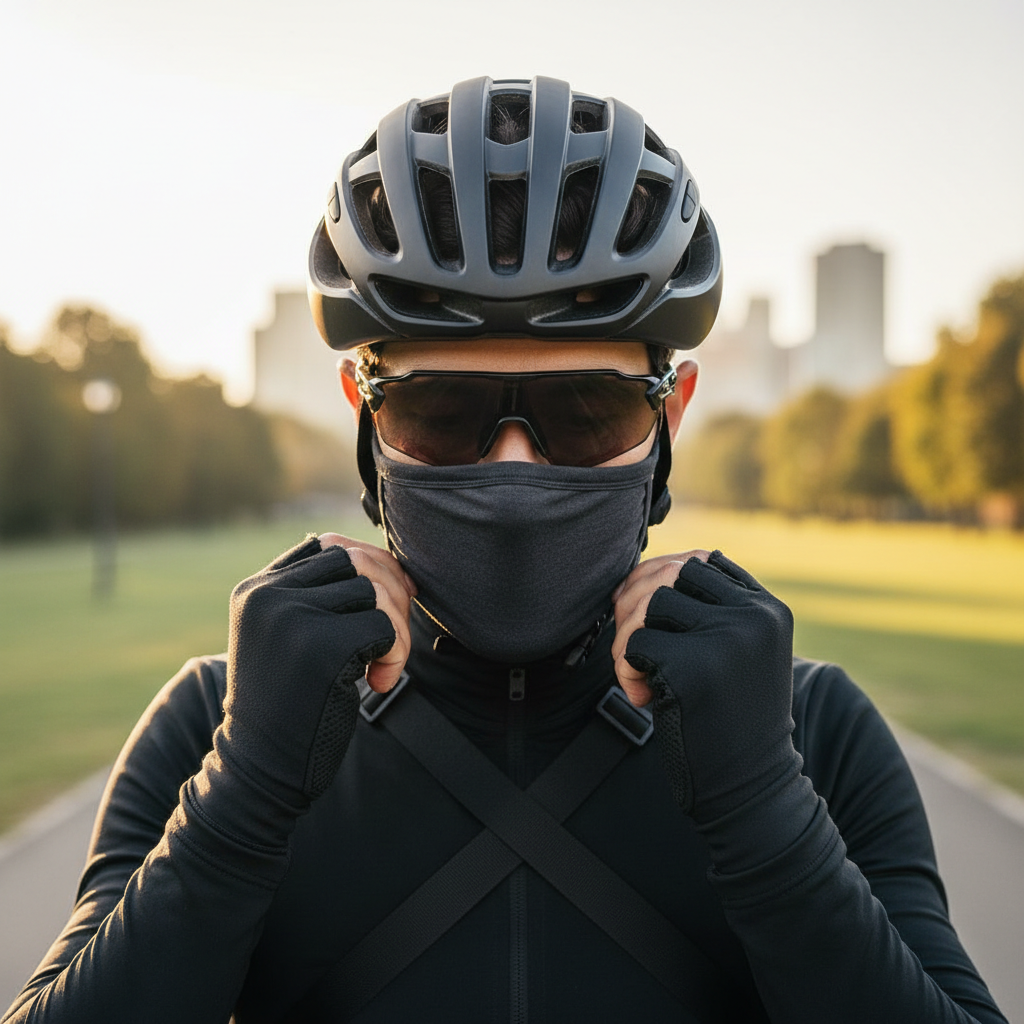
Why cycling with a mask feels uncomfortable (and what’s really happening)
Most “this mask is unbearable” moments come from friction and moisture, not just the mask itself. On a bike you breathe deeper, sweat more, and your head moves, all of that stresses the fit.
- Heat and humidity buildup: exhaled moisture sits in the fabric, then you add sweat, a damp mask can feel suffocating even when airflow is technically fine.
- Rubbing hotspots: nose bridge, cheekbones, under-chin edges, and behind ears, especially when helmet straps or sunglasses arms overlap the mask straps.
- Fogging: warm breath escaping upward hits cooler lenses, then visibility drops right when you need it.
- Fit instability: talking, looking over your shoulder, or hitting bumps shifts the mask, then you keep touching your face to fix it.
- Intensity mismatch: a mask that’s fine for an easy commute may feel rough during intervals or long climbs.
According to the Centers for Disease Control and Prevention (CDC), a well-fitting mask should cover your nose and mouth and fit snugly against the sides of your face without gaps. On a bike, “without gaps” also means “without sliding when you’re breathing hard.”
Quick self-check: which situation are you riding into?
Before you chase the perfect setup, identify your main constraint, because the right solution for a flat 15-minute commute can be the wrong solution for a hilly training ride.
- Ride intensity: easy spin, moderate steady, or hard efforts?
- Weather: hot and humid, mild, or cold and dry?
- Eyewear: do you wear glasses or clear lenses that fog easily?
- Route: long climbs, stop-and-go traffic, or open paths?
- Skin sensitivity: acne, rosacea, eczema, or pressure marks?
- Mask rules: required in certain areas or optional based on crowding?
If your biggest problem is fogging, you’ll solve comfort by controlling airflow direction. If your biggest problem is “air hunger,” you’ll solve comfort by changing the mask type, the intensity, or both.
Choosing the right mask for cycling: what matters more than the label
For most riders, comfort improves when the mask holds its shape and stays off the lips, while still sealing enough around the edges to avoid constant readjusting.
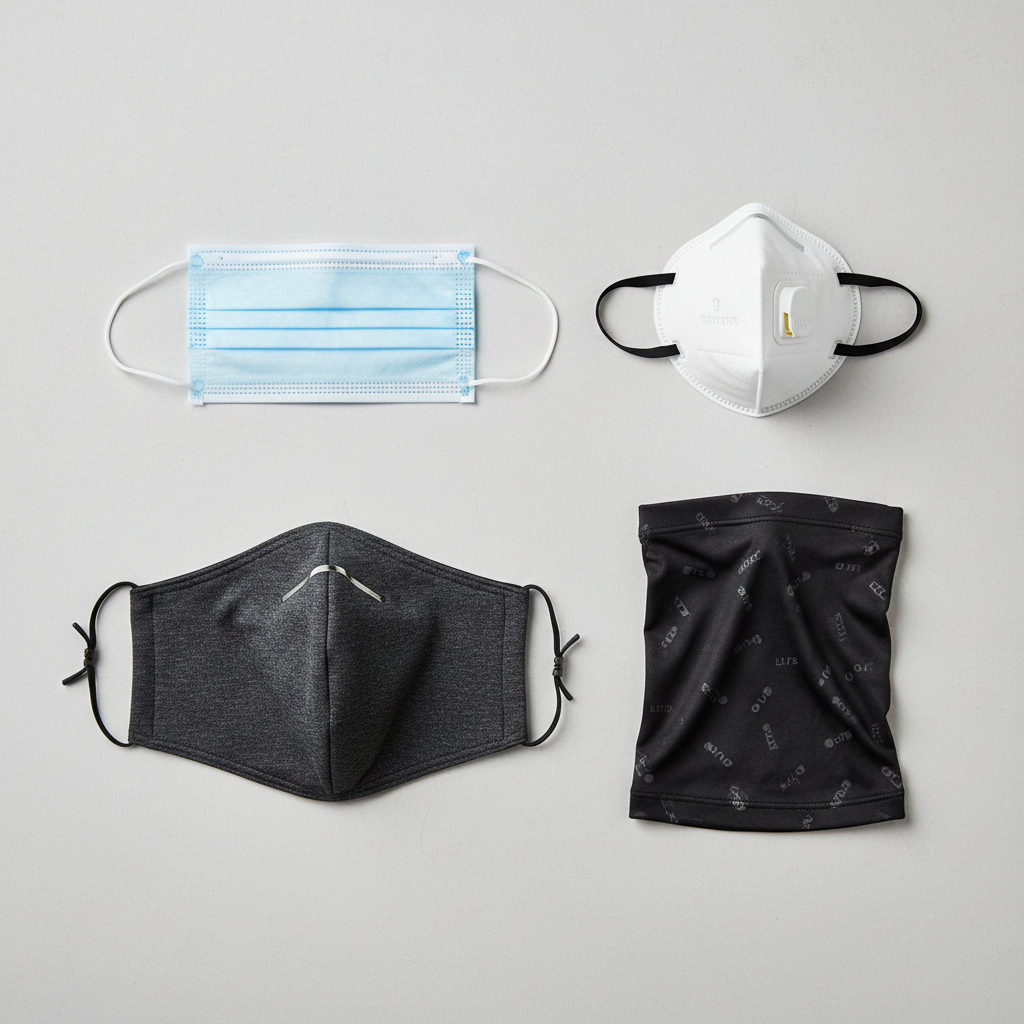
Mask comfort comparison table (practical, not perfect)
| Option | Breathability feel | Fog risk | Stability on bumpy rides | Best for |
|---|---|---|---|---|
| Disposable surgical-style | Often good at easy pace | Medium to high if loose at nose | Medium | Short commutes, errands |
| KN95/N95-style (structured) | Can feel warmer, stays off lips | Lower if nose seal is solid | High | Cold weather, crowded areas |
| Reusable cloth with nose wire | Varies a lot by fabric | Medium | Medium | Moderate pace, comfort priority |
| Neck gaiter/buff | Often feels easiest | Low to medium | Low to medium (can slip) | Cold wind, quick on/off moments |
What to look for (cycling-specific comfort cues)
- Shape that doesn’t collapse: if fabric gets sucked onto your mouth when you inhale, it will feel worse the harder you work.
- Nose wire or firm nose bridge: this controls fog more than any “anti-fog” claim.
- Smooth inner layer: rough cotton can chafe once it’s damp.
- Strap strategy: ear loops are convenient but can cause pain under helmet straps, head loops can be steadier for longer rides.
One nuance: “thin” isn’t always “better.” A flimsy mask can breathe easily but flutter, leak upward into your glasses, then you keep touching it. A slightly more structured mask often feels calmer on the face.
How to wear a face mask comfortably cycling: fit steps that actually help
how to wear a face mask comfortably cycling is mostly a fit process, not a willpower contest, you want a setup you can forget about for 30–60 minutes.
Step-by-step fit setup (takes two minutes)
- Start dry and clean: put the mask on before you start sweating, a damp start guarantees discomfort later.
- Seal the nose first: press the nose wire to match your nose shape, then check that exhale doesn’t shoot upward.
- Set chin coverage: pull the mask under your chin enough that it won’t pop off when you look over your shoulder.
- Then do the helmet straps: straps should lie flat without pinching the mask loops.
- Quick “hard exhale” test: one strong exhale, if your glasses fog instantly or you feel a big leak near the eyes, adjust before rolling out.
Comfort tweaks riders overlook
- Use a mask brace or nose foam strip if fogging is your main issue, it’s often more effective than swapping masks repeatedly.
- Try a strap extender if ear loops cause pain, moving tension behind the head can be a game changer on longer rides.
- Carry a spare mask for sweaty conditions, switching mid-ride feels dramatic until you try it once.
Managing sweat, fog, and “can’t breathe” moments on the road
There’s a difference between “this is annoying” and “this feels unsafe.” If you’re lightheaded or wheezing, slow down and reassess, and consider medical guidance if it keeps happening.
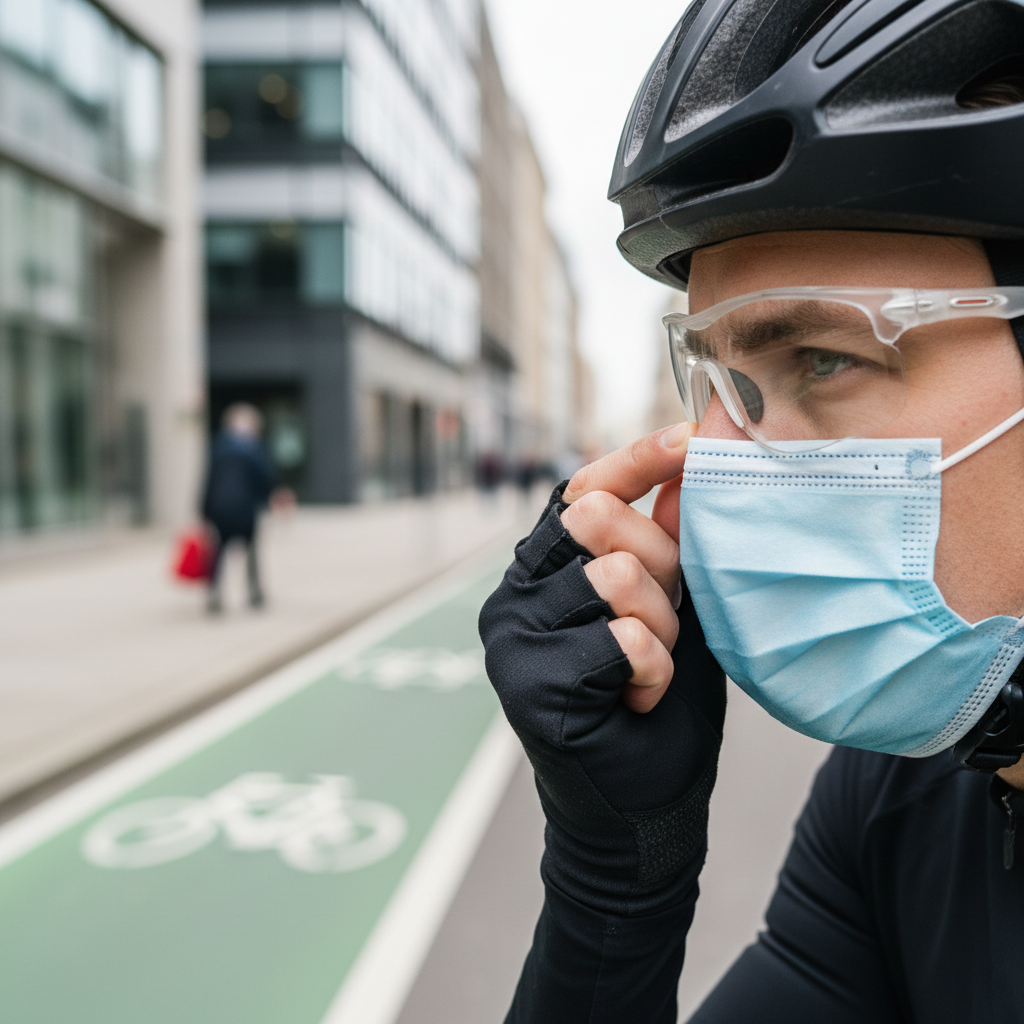
If you’re fogging up
- Prioritize the nose seal: reshape the nose wire while looking down slightly, that’s usually the leak path.
- Place glasses correctly: many riders do better with the mask higher on the nose, glasses slightly forward, so airflow exits less directly into the lenses.
- Slow down for 30 seconds: fog sometimes starts when breathing spikes suddenly, giving yourself a short calm segment can stabilize humidity inside the mask.
If the mask gets wet
- Swap it: a fresh mask feels instantly easier, especially in humidity.
- Use the “stoplight reset”: at a safe stop, lift the bottom edge briefly to vent, then reseal.
- Avoid heavy balaclavas over a mask: stacking layers can trap moisture fast, in cold weather use a wind-block layer with vents if possible.
If you feel short of breath
- Downshift intensity: stay in an easier zone, spinning in a low gear often solves the “air hunger” feeling.
- Pick routes with fewer sustained climbs: steep grades plus a damp mask is where most people hit the wall.
- Consider a more structured mask: many riders find the “off the lips” shape reduces the sensation of restricted breathing.
According to the American Lung Association, if you have a chronic lung condition, you should talk with your healthcare provider about what’s safe for you, especially if you notice symptoms like unusual shortness of breath. That’s even more relevant when you add exercise.
Practical ride plans for common cycling scenarios
Instead of one universal rule, build a small routine that matches how you ride. This is where comfort stops being theoretical.
Short commute or errands (10–30 minutes)
- Choose a mask that’s quick to don and stable, many people prefer a surgical-style with a good nose wire.
- Carry one spare in a small zip bag, wet masks happen more than you expect.
- Plan one “low-traffic” stretch to settle your breathing before intersections.
Training ride (30–120 minutes)
- Decide ahead where you truly need the mask, for example crowded trailheads, group rollouts, or stops indoors.
- For harder intervals, consider spacing and ventilation breaks where it’s allowed and safe, rather than forcing max efforts while overheated.
- Use head-loop or an extender if ear loops fight your helmet straps for an hour.
Cold weather riding
- Expect less sweat at first, then moisture spikes once you warm up, that’s when the mask feels “suddenly worse.”
- Keep the nose bridge sealed to protect against cold air irritation and fogging.
- Bring a spare even in winter, damp fabric chills quickly on descents.
Mistakes that make comfort worse (even if the mask is “right”)
A lot of riders blame the mask when the real issue is the setup or habits mid-ride.
- Wearing it too low on the nose: it feels easier to breathe but often causes fog and constant slipping.
- Starting with a mask already used: yesterday’s mask has softened fibers and holds moisture faster.
- Overtightening straps: it can create pressure points without improving the seal, then you get headaches or ear pain.
- Touching and adjusting every minute: comfort actually improves when the mask is stable enough that you stop fussing.
- Ignoring skin irritation: friction plus sweat leads to breakouts or raw spots, which then makes every ride feel worse.
Key takeaway: comfort usually improves more from a better nose seal and a spare mask plan than from buying ten different fabrics.
When to seek professional advice (and when to change your plan)
If mask use during cycling triggers chest tightness, dizziness, wheezing, or panic feelings, it’s smart to slow down and consider medical input. Many issues are manageable, but guessing is not worth it.
- Talk to a clinician if you have asthma, COPD, heart conditions, or you’re recovering from a respiratory infection and symptoms flare with exertion.
- Reconsider your route and intensity if you routinely feel like you can’t recover your breathing on climbs.
- Prioritize safety and visibility if fogging blocks your view in traffic, change the fit or eyewear approach before the next ride.
Conclusion: a comfortable setup is usually a small system
how to wear a face mask comfortably cycling gets much easier once you treat it like a mini system: pick a mask that holds shape, dial in the nose seal, reduce strap conflict with your helmet, and keep a dry backup so moisture doesn’t decide your ride for you.
If you want one simple action today, do a two-minute fit test at home with your helmet and glasses on, then stash a spare mask in your saddle bag. Small prep, big difference.