
Barre Workout can be deceptively tough: tiny pulses, long holds, and “why are my legs shaking?” moments that hit fast, especially if you want visible toning and real strength, not just a nice sweat.
If you’ve tried a few classes and felt unsure what it’s really doing, you’re not alone, barre often looks gentle from the outside, yet it targets endurance, posture, and stabilizer muscles in a way many people don’t train elsewhere.
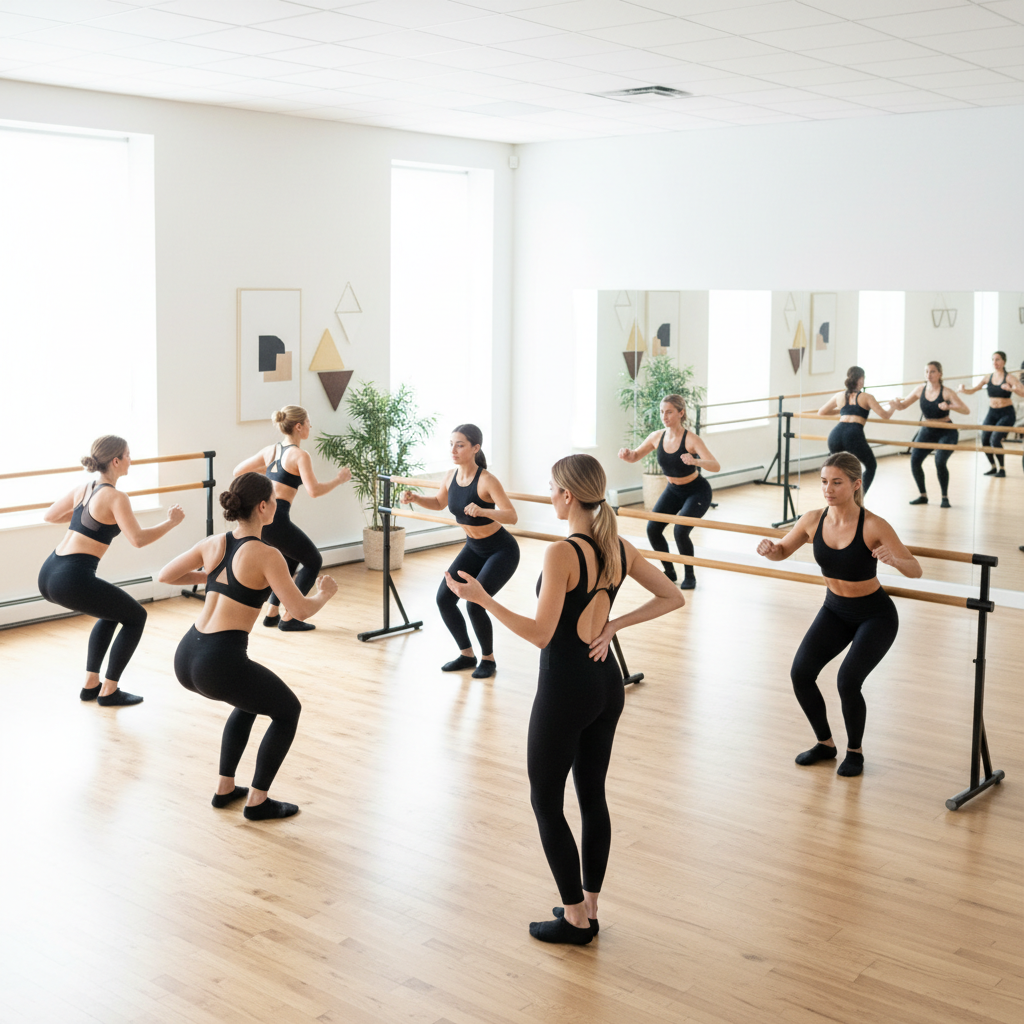
This guide breaks down what a barre session trains, how to tell if you’re doing it right, and how to adjust your routine based on your goal, tighter shape, stronger legs and glutes, better core control, or all three. I’ll also flag the common form mistakes that make barre feel like “nothing” in the wrong places and “everything” in your joints.
What a Barre Workout really trains (and what it doesn’t)
Most barre formats blend elements of ballet-inspired positioning, Pilates-style core control, and light strength work. The signature feel comes from time under tension, muscles working for longer with small ranges of motion.
- Muscular endurance: holding positions and repeating small reps builds stamina in quads, glutes, calves, shoulders.
- Stability and balance: a lot of work happens on one leg or in narrow stances, your hips and ankles have to organize.
- Posture and core coordination: ribs stacked over pelvis, controlled breathing, and resisting sway.
- Mobility in controlled ranges: barre typically uses active range rather than deep passive stretching.
What barre often doesn’t do by itself is maximize raw strength (think heavy squats, deadlifts) or power. It can support those goals, but if “get very strong” is the priority, you’ll usually pair barre with progressive resistance training.
According to the American Council on Exercise (ACE), strength gains depend on applying progressive overload over time, which can be done in multiple ways, including increasing resistance, volume, or time under tension. Barre leans heavily on the last two, and results vary by programming and how hard you actually work.
Why barre can tone you up: the “shake” has a reason
People chase toning, but what they usually mean is a mix of muscle definition, firmer feel, and less “softness” in certain areas. A Barre Workout supports that through three practical mechanisms.
- Long sets create a burn: sustained contractions fatigue fibers and challenge local endurance.
- Small-range reps reduce cheating: you can’t swing momentum as easily, so weak spots show up.
- Isometrics recruit stabilizers: holding still forces deep support muscles to work, especially around hips and core.
The shake is often a normal sign of fatigue and motor-unit recruitment, but shaking plus sharp joint pain is a different story. If your knees, hips, or low back complain, treat that as a form or load issue, not a badge of honor.
Quick self-check: are you doing barre in a joint-friendly way?
Before you add more classes, it helps to know whether your technique matches the intention. Use this short checklist mid-workout.
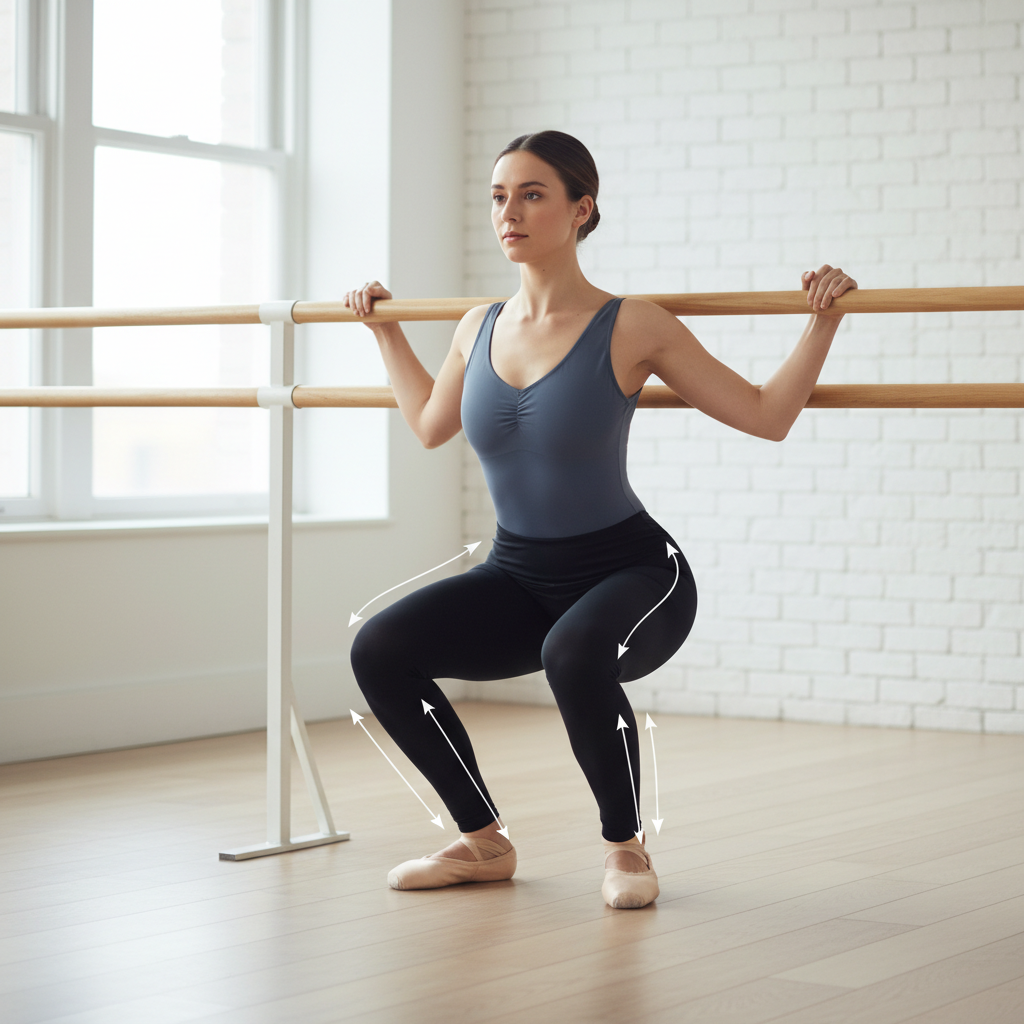
Alignment cues that usually keep people safe
- Ribs over pelvis: avoid flaring the ribs or arching hard to “stand tall.”
- Neutral neck: gaze forward or slightly down, no chin jutting.
- Knees track over toes: especially in plié/squat variations, avoid knees collapsing inward.
- Pressure through tripod foot: heel, big toe, little toe all grounded.
- Glutes working, not low back: in seat work, you should feel glute/hamstring more than lumbar squeeze.
Red flags that suggest you should modify
- Pinching at the front of the hip in high leg lifts or turnout positions
- Knee pain that increases during pulses or deep bends
- Low back taking over during core or glute sequences
- Numbness/tingling (stop and consider a professional opinion)
If you see the red flags often, reducing range of motion and slowing the tempo usually fixes more than pushing harder does.
How to program barre for toning vs. strength (practical plans)
Barre is flexible. The trick is choosing a weekly structure that matches your goal and recovery. Here are realistic starting points many people can maintain.
Weekly programming ideas
- Leaning more “tone”: 3–5 barre sessions/week, plus 1–2 low-impact cardio sessions (walk, bike) as tolerated.
- Leaning more “strength”: 2–3 barre sessions/week, plus 2 strength sessions using progressively heavier loads.
- Busy schedule: 2 barre sessions/week, 2 brisk walks, and one short full-body resistance circuit.
According to the Centers for Disease Control and Prevention (CDC), adults benefit from muscle-strengthening activities at least two days per week. Barre can count if it challenges muscles meaningfully, but if you always use the same light tension and never progress, it may stall.
A simple comparison table (use it to choose your emphasis)
| Goal | What to prioritize in barre | What to add outside barre | Progress sign to track |
|---|---|---|---|
| Visible toning | Higher weekly frequency, consistent form, controlled tempo | Steps/walking, protein-forward meals as appropriate | Less rest needed, deeper burn without joint pain |
| Stronger legs/glutes | Heavier band options, longer holds, slower negatives | Squat/hinge patterns with progressive load | More resistance with same alignment |
| Core and posture | Anti-rotation, planks, slow spinal articulation | Pulling work (rows), upper-back mobility | Less low-back tension, better rib control |
Make your Barre Workout harder without wrecking your form
If barre feels easy, it’s often because range gets too big, speed gets too fast, or the working muscle never fully “owns” the move. These tweaks usually increase challenge fast.
- Slow down the lowering phase: take 3–4 seconds to lower in squats, lunges, triceps presses.
- Make the hold honest: a 20-second hold with clean alignment beats a 60-second hold with knee drift.
- Reduce range, increase tension: smaller pulses done correctly light up the target muscle.
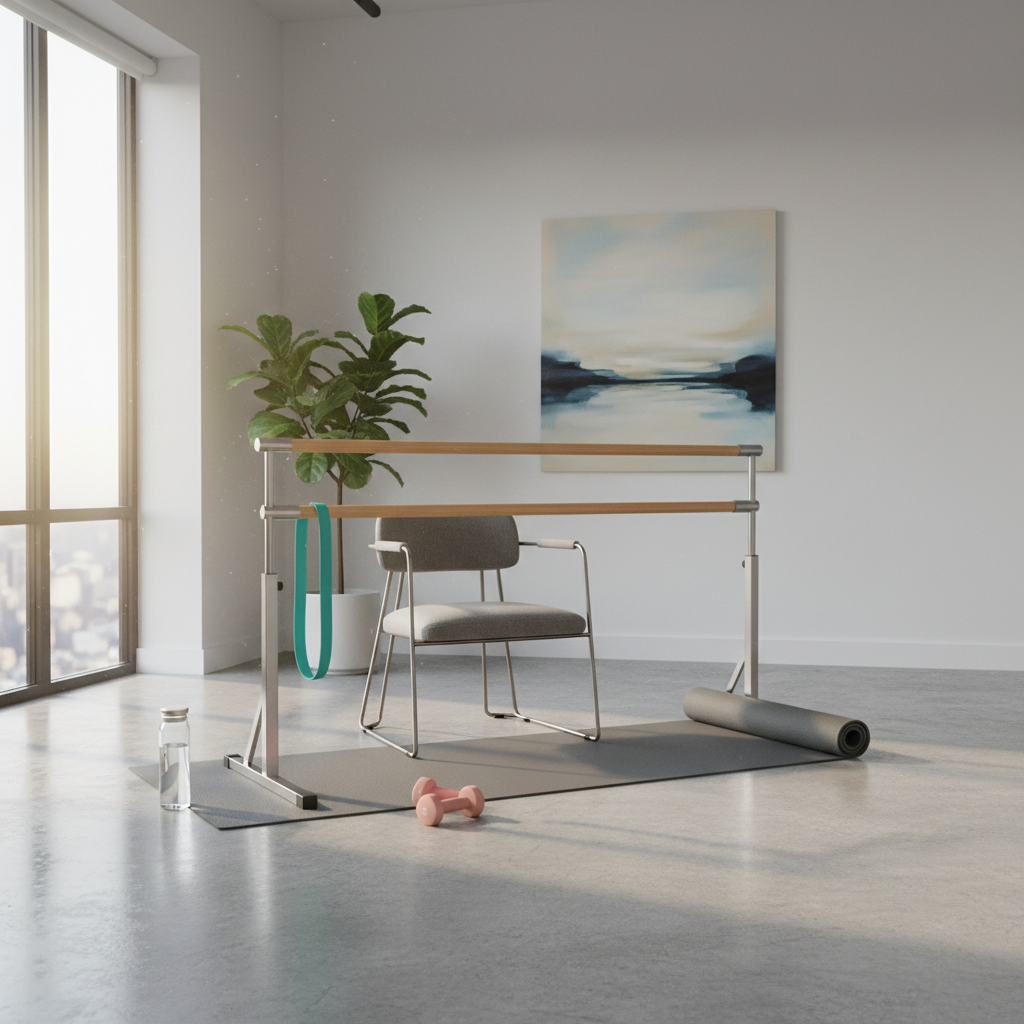
- Use smarter props: a loop band above knees or light dumbbells can add overload, but only if you keep control.
- Track one variable: add 10 seconds per hold or one extra round, not “everything at once.”
One more honest point: some people “outgrow” barre classes that never progress. If your studio uses the same sequences and the same props every time, you may need to self-progress within the template, or mix in strength training for a fresh stimulus.
Common mistakes that block results (and quick fixes)
Most plateaus come from a few predictable issues. They’re fixable, but you have to notice them.
- Chasing turnout you don’t own: forcing feet outward can stress knees and hips. Use a smaller turnout and build control.
- Locking joints to “rest”: hyperextended knees and elbows shift load away from muscle. Keep a soft bend.
- Letting the low back grip: in glute work, tuck slightly and exhale to keep ribs down, then lift smaller.
- Going too fast: speed hides weakness. Slow makes the right muscles show up.
- Only training in one plane: barre can get quad-heavy. Add hinge patterns and lateral glute work when possible.
If you’re unsure which muscle should be working, that’s not a personal failure, it’s a cueing problem. Ask the instructor for a tactile cue or a regression. Most good coaches prefer that over silent discomfort.
Safety notes and when to get professional help
A Barre Workout is often labeled “low impact,” but low impact does not automatically mean low risk. Bodies vary, old injuries matter, and some positions may not fit everyone’s hip anatomy.
- If you’re pregnant, postpartum, or managing pelvic floor symptoms, consider a prenatal/postnatal-trained instructor or a pelvic health physical therapist.
- If you have osteoporosis, joint instability, or persistent pain, modify range and ask a clinician or qualified trainer what to avoid.
- If pain feels sharp, sudden, or radiates, stop the movement and seek medical advice.
According to the American College of Sports Medicine (ACSM), many adults can begin moderate exercise safely, but people with certain conditions or symptoms may need medical clearance. If you fall into that gray area, it’s worth the extra step.
Key takeaways (save this before your next class)
- Barre works best when form stays strict, small range and controlled tempo are features, not limitations.
- Toning usually comes from consistency plus progression, not from one “killer” session.
- If strength is your top goal, keep barre and add progressive resistance training 2x/week.
- Joint pain is not expected, modify early rather than pushing through.
Conclusion: what to do next
If you want barre to deliver toning and strength, treat it like training, not just a class you survive. Pick a weekly plan you can repeat, tighten up alignment, then progress one variable at a time so your body has a reason to adapt.
Try this this week: choose two form cues you’ll prioritize for every set, then add one tiny progression, like 10 more seconds of a hold or a slightly stronger band. Small changes add up fast when they’re consistent.
FAQ
How often should I do a Barre Workout to see toning?
Many people do well with 3–4 sessions per week, assuming sleep and nutrition support recovery. If soreness lingers or performance drops, cutting back a day often helps more than forcing volume.
Can barre replace weight training?
It can cover muscle endurance and stability very well, but maximal strength typically improves faster with progressive external load. A common compromise is 2 barre days plus 2 lifting days.
Why do my thighs burn so quickly in barre?
Long time under tension and small pulses fatigue muscles fast, especially quads. If the burn becomes knee pain, reduce depth, slow down, and check knee tracking over toes.
Is barre good for beginners who are out of shape?
Often yes, because many moves are scalable, but it depends on the class and instructor. Look for “beginner,” “foundations,” or slower-paced sessions, and modify range early.
What should I eat before a barre class?
A small carb-forward snack 60–90 minutes before can help energy for long sets, plus water. If you have medical nutrition needs, a registered dietitian can personalize it.
Do I need a barre at home, or is a chair enough?
A sturdy chair or countertop usually works for balance support. What matters more is a non-slip surface, enough space to move safely, and props you can control.
Why does my lower back hurt during “seat work”?
It often happens when the leg lifts too high and the spine extends to compensate. Lift lower, exhale to brace, and aim the effort into glutes and hamstrings; if pain persists, get a professional assessment.
If you’re trying to build a routine that actually fits your schedule, preferences, and body quirks, it can help to follow a structured plan that tells you what to progress and what to modify, rather than guessing class to class.