
Calf Training is one of those things people “do,” but rarely feel working, and that mismatch is exactly why calves stay the same for months.
If you want stronger legs, calves matter more than aesthetics, they help with ankle stability, walking and running efficiency, and how solid your squats and deadlifts feel from the ground up.
The good news, calves usually respond when you stop treating them like an afterthought and start training them with clear goals, enough range of motion, and progression you can track.
Why calves feel “stubborn” in real life
Most calf frustration comes from a few boring basics people skip, not from “bad genetics.” Calves do a lot of low-level work all day, so they often need a clearer training signal than, say, biceps.
- Not enough range of motion: half reps turn calf raises into an ego lift, your ankle barely moves, the muscle barely stretches.
- Too much bouncing: using momentum shifts load to tendons and the Achilles area, which can feel “springy” but not productive.
- Volume without intent: 5 rushed sets at the end of leg day often equals 5 sloppy sets.
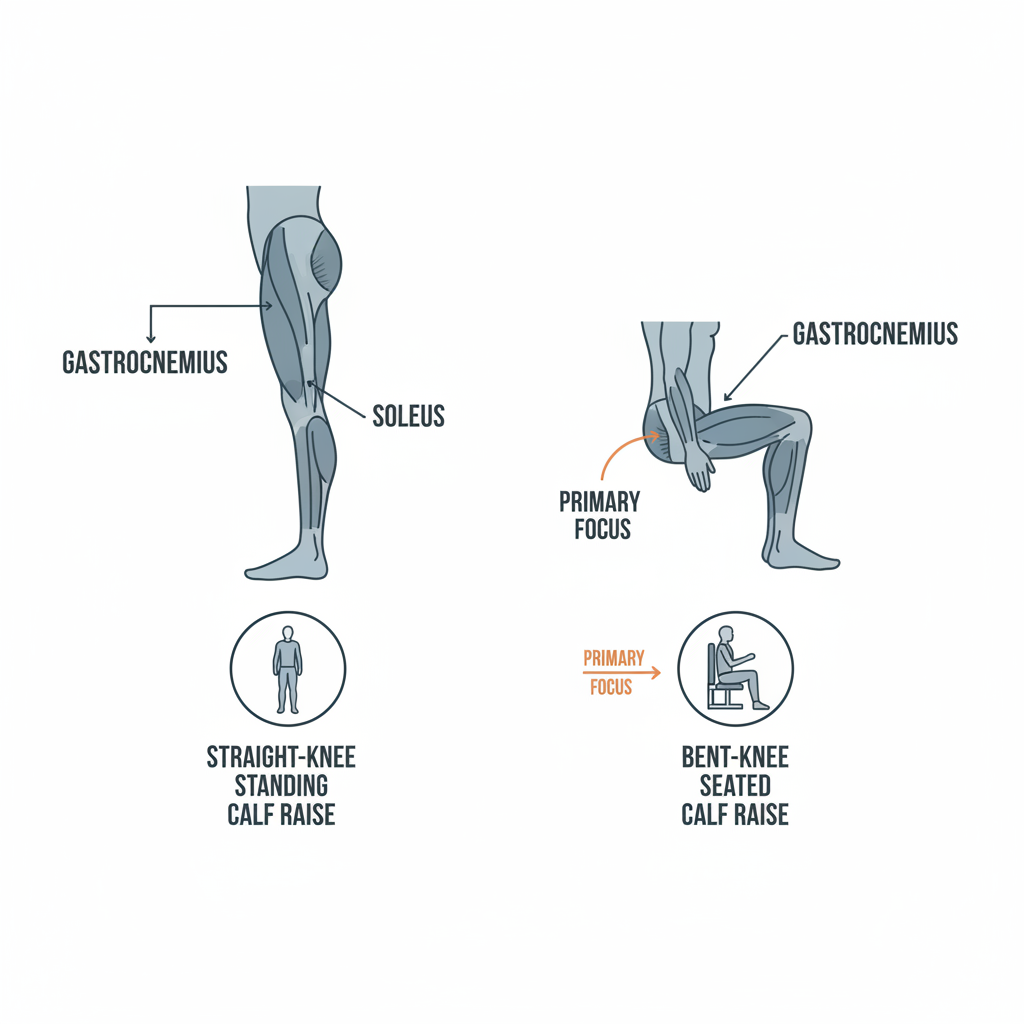
- Only one variation: straight-knee work biases gastrocnemius, bent-knee work biases soleus, ignoring one leaves growth on the table.
- Progression not tracked: if weight, reps, tempo, or pause never improves, the body has no reason to adapt.
According to the American Council on Exercise (ACE)... using controlled tempo and full range of motion generally improves exercise effectiveness and reduces “cheating” through momentum, and calves are a classic place where form shortcuts show up fast.
Quick self-check: which calf problem do you actually have?
Before you add more exercises, figure out what is limiting you. This is the part many people skip, then wonder why nothing changes.
- You feel it in your feet, not your calves: you may be gripping the floor hard, try a stable shoe, slow the negative, and focus pressure through the big toe mound and heel.
- You feel Achilles irritation: you might be bouncing or rushing the stretch, reduce load, add pauses, and keep reps smooth.
- You can’t get a deep stretch: ankle mobility or setup may limit you, elevate the forefoot on a step and let the heel drop under control.
- Burn shows up but no growth: you may be underloading or not progressing, start logging your top set and add small rep or load jumps weekly.
- One calf lags: unilateral work and slower eccentrics often help, but persistent asymmetry can also be a movement pattern issue.
Calf anatomy in plain English (so you choose the right moves)
You don’t need a textbook, but you do need one practical takeaway: straight knee and bent knee hit calves differently.
- Gastrocnemius: the “upper” calf, crosses the knee and ankle, tends to work harder on straight-knee calf raises.
- Soleus: deeper muscle under the gastroc, doesn’t cross the knee, often responds well to bent-knee work and higher total volume.
In practice, most people build better calves when they train both patterns each week, even if one is just a few sets.
Technique that actually makes Calf Training work
Calves respond well to consistency, but they respond even better when reps look the same from set one to set four. Here are cues that usually clean things up fast.
Form cues (use these before adding more weight)
- Full stretch: lower the heel until you feel a controlled stretch, no dropping into the bottom.
- Hard top position: rise as high as you can, then hold 1 second, this is where many reps get lazy.
- Slow eccentric: 2–3 seconds down is a simple upgrade that increases tension without fancy programming.
- Stable knee/hip: don’t bend and straighten the knee to “help,” keep the movement at the ankle unless you’re doing seated work.
- Foot pressure: even pressure through forefoot and heel, avoid rolling to the outside edge.
Tempo options that tend to feel effective
- Controlled hypertrophy: 2 seconds up, 1 second squeeze, 2–3 seconds down.
- Pause emphasis: 1 second up, 2 seconds squeeze, 3 seconds down, lighter weight, surprisingly brutal.
If you’re dealing with pain (sharp, worsening, or localized), scale back and consider a qualified clinician, especially around Achilles or the bottom of the heel.
Exercises and when to use them (practical picks)
You don’t need eight calf movements. You need two or three you can load, repeat, and progress while staying honest with range of motion.
- Standing calf raise (machine or Smith): great for heavier loading and straight-knee emphasis.
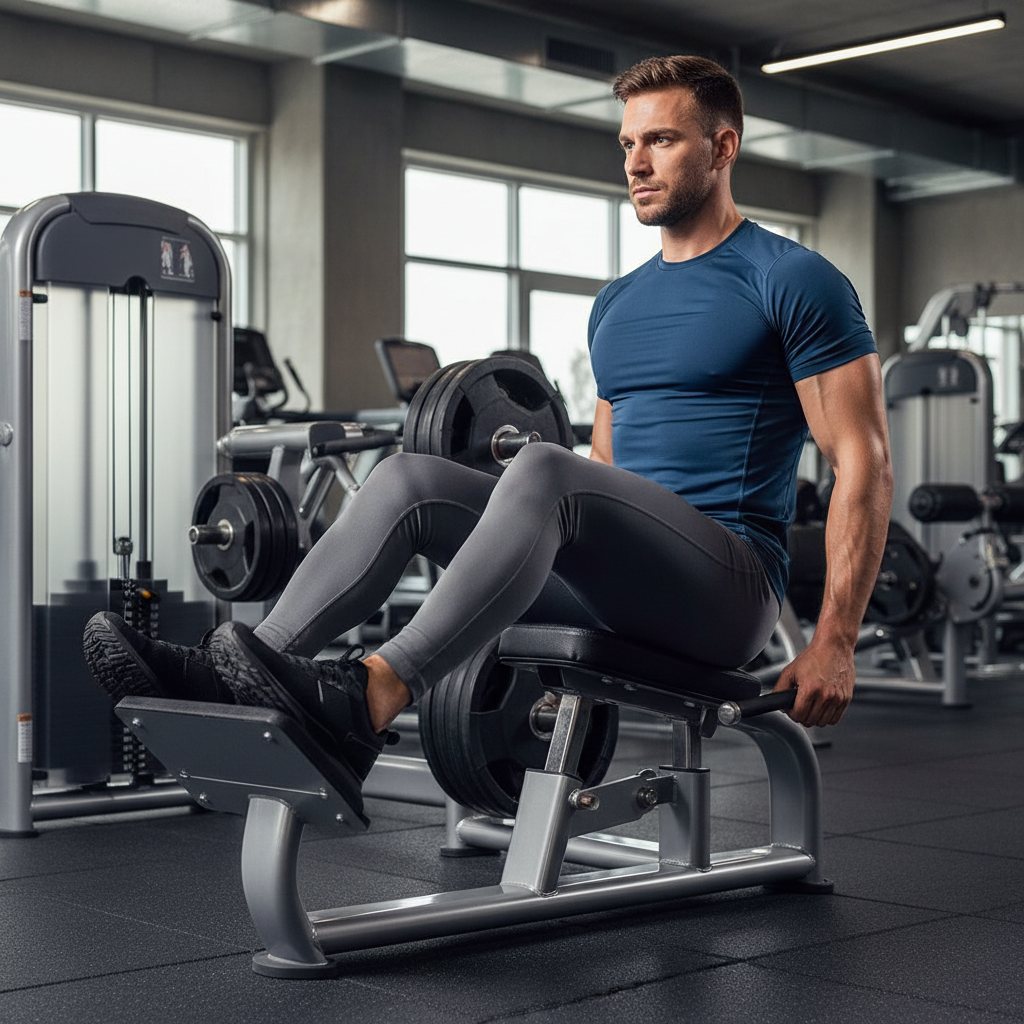
- Seated calf raise: solid for bent-knee work, often tolerates higher reps and volume.
- Single-leg dumbbell calf raise off a step: excellent for fixing side-to-side gaps and getting deep stretch.
- Leg press calf press: good option when you want stability and easy progressive overload.
According to the National Strength and Conditioning Association (NSCA)... progressive overload and consistent technique are core principles of strength training, and calves are no exception, boring progression beats random variety most weeks.
A simple 4-week Calf Training plan (2–3 days/week)
This is intentionally straightforward. Pick loads that leave you about 1–2 reps shy of failure on the first week, then nudge progress.
| Day | Main focus | Exercises | Sets x Reps | Notes |
|---|---|---|---|---|
| Day A | Straight-knee strength | Standing calf raise + single-leg calf raise | 4x6–10 + 2–3x10–15/side | 1-sec top squeeze, 2–3 sec down |
| Day B | Bent-knee volume | Seated calf raise + tibialis raises | 4x10–20 + 2–3x12–20 | Short rest, stay smooth |
| Optional Day C | Technique + pump | Leg press calf press | 3–5x12–20 | Pause in stretch, lighter load |
How to progress: keep form the same, add 1–2 reps per set until you hit the top of the range, then add a small amount of weight and repeat. If you only train calves once a week, progress may move, but many people do better with 2–3 touches per week.
Common mistakes that waste sets (and what to do instead)
Most “calves don’t grow” stories are really “calves don’t get challenged the same way twice.” A few corrections usually create a noticeable difference in how the work feels.
- Mistake: rushing reps to survive the burn. Do instead: slow the negative, reduce load, earn clean reps.
- Mistake: partial ROM because the bottom feels uncomfortable. Do instead: use a step and a lighter weight, build tolerance gradually.
- Mistake: turning it into a full-body bounce. Do instead: lock in posture, use a machine or hold onto support for balance.
- Mistake: only doing one rep range forever. Do instead: keep one heavier day and one higher-rep day most weeks.
Key takeaway: if your calves never see a deep stretch under control, and never see measurable progression, they usually won’t change much.
When to get extra help (smart, not dramatic)
Calf work should feel challenging, but it should not feel like something is “catching” or stabbing. If pain persists, consult a qualified professional.
- Sharp pain around Achilles, heel, or calf that worsens week to week
- Swelling, heat, bruising, or a sudden “pop” sensation
- Numbness, tingling, or pain that changes your gait
- Repeated cramps that don’t improve with load management, hydration, and rest
According to the Centers for Disease Control and Prevention (CDC)... physical activity is beneficial for most people, but symptoms like persistent pain or functional limitation are a reason to seek medical guidance rather than pushing through blindly.
Conclusion: what to do next
Calves often grow when Calf Training becomes specific: full range, a straight-knee movement plus a bent-knee movement, and a progression rule you actually follow.
If you want a simple next step, run the 4-week plan, log your top sets, and treat the stretch and the top squeeze as non-negotiable, that alone changes the stimulus more than adding a “new secret exercise.”
Action prompt: pick two calf movements you can do consistently for a month, then earn small progress every week, if you can’t measure it, you can’t build it.
FAQ
How many times per week should I do Calf Training?
Many people do well with 2–3 short sessions per week because calves recover relatively fast, but soreness and Achilles tolerance vary, start with 2 and add only if you’re recovering well.
Should I train calves heavy or high reps?
Both usually work better than only one, a heavier straight-knee day for 6–10 reps plus a higher-rep bent-knee day for 10–20 reps is a practical split.
Why do calf raises cramp my feet?
Often it’s foot muscles over-gripping for balance, use a stable setup, hold onto support, slow the tempo, and consider slightly turning toes in or out only if it keeps pressure even.
Can I do calves at the end of leg day?
You can, but fatigue makes people shorten range and bounce, if calves lag, moving them earlier in the session or adding a separate short day usually helps.
Do I need to go to failure on calf raises?
Not every set, staying 1–2 reps shy of failure with consistent form tends to be more repeatable, you can push the last set closer to failure if joints feel good.
Are seated calf raises enough by themselves?
They can improve the soleus, but many people need a straight-knee option too for balanced development, especially if they want a fuller “upper” calf look.
What shoes are best for Calf Training?
A stable shoe or barefoot (where allowed and safe) can help you feel the foot tripod, but comfort and ankle mobility matter, if you feel unstable, use a machine and a supportive shoe.
If you’re trying to build calves but keep guessing on form, exercise selection, or weekly progression, a simple coaching-style template and a quick technique check can save weeks of spinning your wheels, especially if you’ve had Achilles discomfort in the past.