
Forearm Workout routines can feel like they “should” improve grip fast, yet many people still drop deadlifts, lose pull-up bar time, or get painful forearm pumps that stall progress.
Most of the time, the issue is not effort, it’s mismatch: training the wrong grip style, using too much volume too soon, or ignoring the small muscles that stabilize the wrist and fingers.
This guide breaks down what actually drives grip strength, how to self-check what you need, and a practical plan you can run at home or in the gym without turning every session into a forearm-only day.
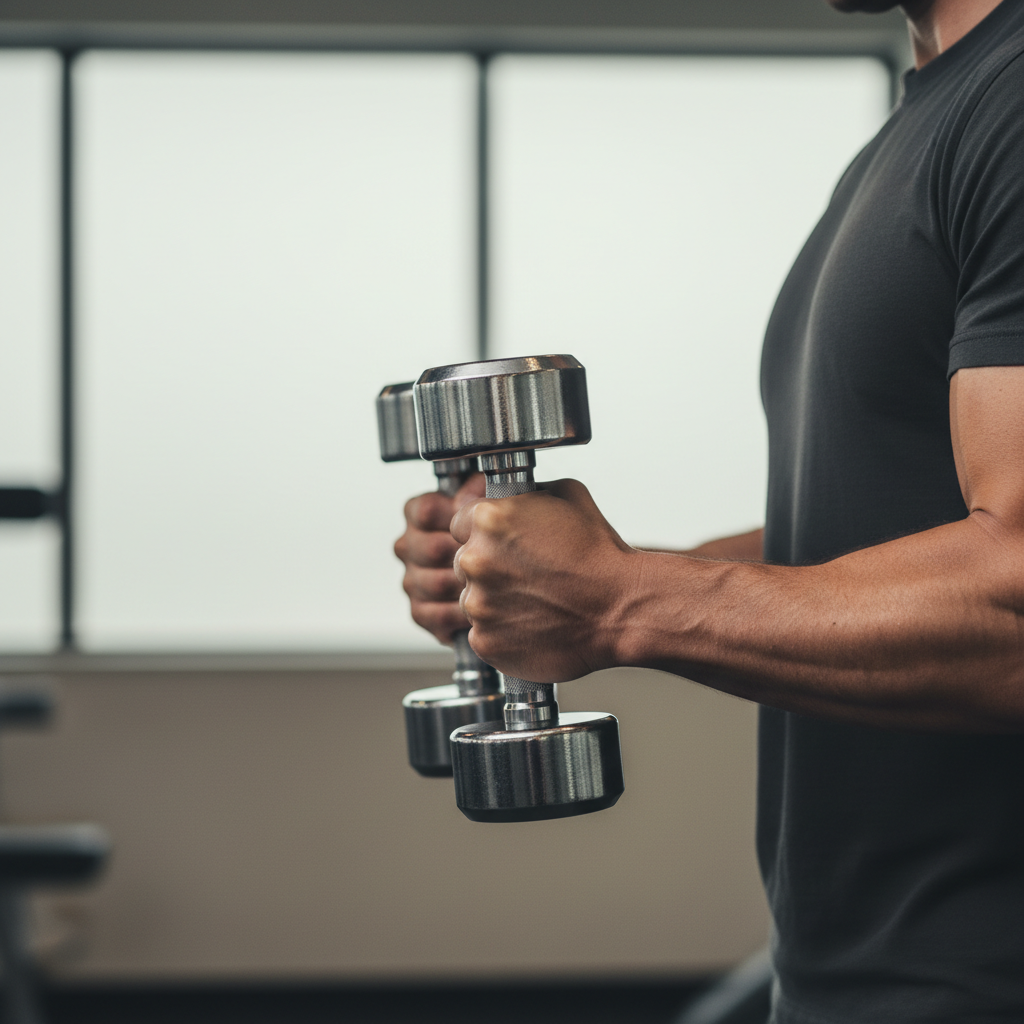
What “Grip Strength” Really Means (and Why It Matters)
Grip strength is not one thing. In real training, it usually shows up in a few different “grip jobs,” and you’ll progress faster when your forearm work matches the job you keep failing.
- Crush grip: squeezing a gripper, closing your hand hard around a handle.
- Support grip: holding a heavy load for time, like farmer’s carries or deadlift lockouts.
- Pinch grip: thumb-to-finger pressure, like plate pinches.
- Wrist stability: keeping the wrist from folding, especially during pressing, carries, and kettlebell work.
Better grip can improve lifting performance, climbing endurance, and day-to-day hand function. According to American College of Sports Medicine (ACSM), progressive resistance training supports improvements in muscular strength across the body, and grip is one place those gains show up when you train it deliberately.
Why Your Forearms Get Tired but Your Grip Doesn’t Improve
If you feel a burn but don’t see carryover, you’re not alone. A few common patterns show up in the wild.
- Too much wrist flexion/extension work, not enough “holding”: wrist curls can pump the forearms, but support grip often needs heavy timed holds.
- Straps all the time: straps have a place, but if you strap every pull, your grip gets fewer meaningful reps.
- Only training one grip style: deadlifts build support grip, but pinch and crush can lag and limit you elsewhere.
- Volume overload: forearms recover slower than people expect, so daily high-volume sets can turn into tendon irritation.
- Wrist position leaking strength: a bent wrist changes leverage, so your fingers work harder for less output.
Also, grip often fails because of technique. Chalk use, handle thickness, and bar path can all change the stimulus. That’s why a “perfect” plan still needs small adjustments.
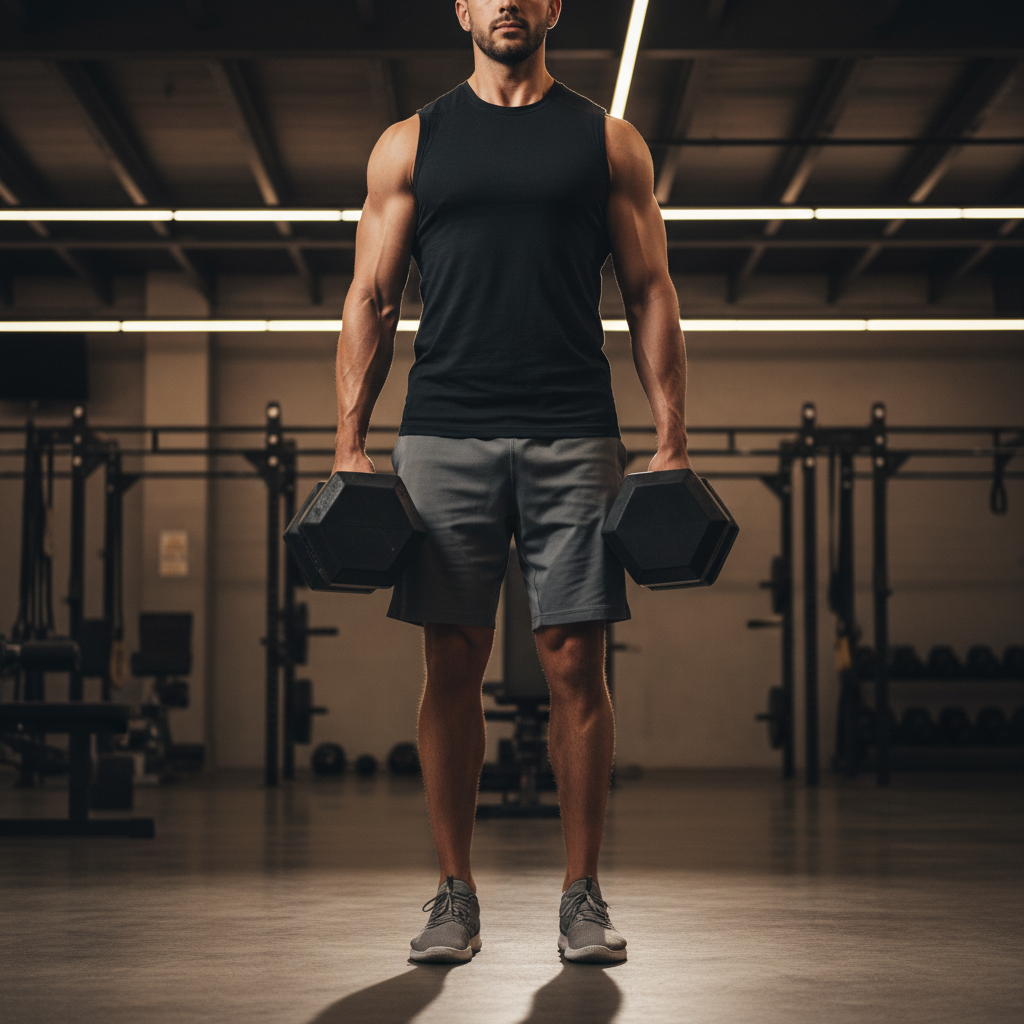
Quick Self-Assessment: What Kind of Grip Are You Missing?
Use this checklist for a fast, honest diagnosis. Pick the one that sounds most like you.
- You lose deadlift reps because the bar slips → support grip + bar control, add timed holds and carries.
- You can’t hang long or your pull-ups fade fast → endurance support grip, add submax holds and hangs.
- You struggle with opening jars or strong hand squeeze tasks → crush grip, add grippers or heavy handle squeezes.
- Plate pinches feel impossible → pinch + thumb strength, add pinch blocks/plates.
- Wrists ache in pressing or front rack → wrist stability, add wrist extensor work and isometrics.
If you’re unsure, start with support grip. It tends to carry over to more activities and pairs well with most strength programs.
The Core Moves: A Forearm Workout Menu That Actually Transfers
Instead of doing everything, pick 2–3 moves per week and run them consistently. Here are the “high-return” options.
Support Grip Builders
- Farmer’s carries: heavy, short walks for strength or lighter, longer walks for endurance.
- Dead hangs: from a pull-up bar, shoulder packed, avoid shrugging into your ears.
- Barbell or trap-bar holds: hold at lockout for time, treat it like a final set.
Crush Grip Builders
- Hand grippers: low-to-moderate volume, focus on clean closes rather than sloppy reps.
- Towel or rope pull-up hangs: brutal but effective, scale with foot assistance if needed.
Pinch + Thumb Builders
- Plate pinch holds: two plates smooth-side out if possible, hold for time.
- Pinch block holds: consistent loading, easier to progress than plates.
Wrist + Forearm Balance Work (Often the Missing Piece)
- Wrist extension (dumbbell or band): supports elbow health for many lifters.
- Pronation/supination: rotate the forearm with a light dumbbell or hammer handle.
- Reverse curls: trains brachioradialis, helps with “thicker” forearm strength.
According to National Strength and Conditioning Association (NSCA), exercise selection and progressive overload should match the performance goal, so mixing grip isometrics with wrist stability work often produces more usable strength than endless wrist curls.
Simple 4-Week Forearm Workout Plans (Gym + Minimal Equipment)
These templates keep the workload realistic. Add them after your main lifts 2 days per week, or on a short “accessory” day.
Plan A: Gym-Based (2 Days/Week)
Day 1 (Strength emphasis)
- Farmer’s carry: 4 rounds of 20–40 seconds, rest 90–120 seconds
- Barbell holds (or trap-bar holds): 3 sets of 15–30 seconds
- Wrist extension: 2–3 sets of 12–20 reps
Day 2 (Balance + pinch)
- Plate pinch holds: 4 sets of 15–30 seconds
- Reverse curls: 3 sets of 8–12 reps
- Pronation/supination: 2 sets of 10–15 reps per side
Plan B: Minimal Equipment (2 Days/Week)
Day 1
- Dead hangs: 5 sets of 10–30 seconds (use a stool to scale)
- Towel hangs or towel rows: 3 sets of 10–20 seconds
- Band wrist extension: 2–3 sets of 15–25 reps
Day 2
- Backpack farmer carry (heavy books): 4 rounds of 30–60 seconds
- Pinch hold with books or a pinch block substitute: 4 sets of 15–30 seconds
- Hammer rotations (hold a tool handle): 2 sets of 10–15 reps per side
Progression Rules (Keep It Boring, Keep It Working)
- Add time first: when you can hold the top end of the range with good form, add load.
- Stay 1–2 reps “in the tank” for most sets, especially early on.
- Deload if tendons complain: cut volume in half for a week, keep light movement.
Programming Cheat Sheet (with a Table You Can Screenshot)
If you want grip strength without wrecking your elbows, match the dose to the goal and keep at least 48 hours between hard grip sessions in many cases.
| Goal | Best Methods | Weekly Frequency | Typical Set Target |
|---|---|---|---|
| Max support grip | Heavy carries, heavy holds | 2x | 6–10 total hard holds |
| Grip endurance | Hangs, lighter carries | 2–3x | 8–14 total holds |
| Pinch strength | Plate/pinch block holds | 1–2x | 6–10 total holds |
| Wrist resilience | Wrist extension, rotations | 2–4x (light) | 4–8 total sets |
Key takeaway: one well-built Forearm Workout usually means a few high-quality holds plus a little wrist balance work, not a marathon of tiny movements.
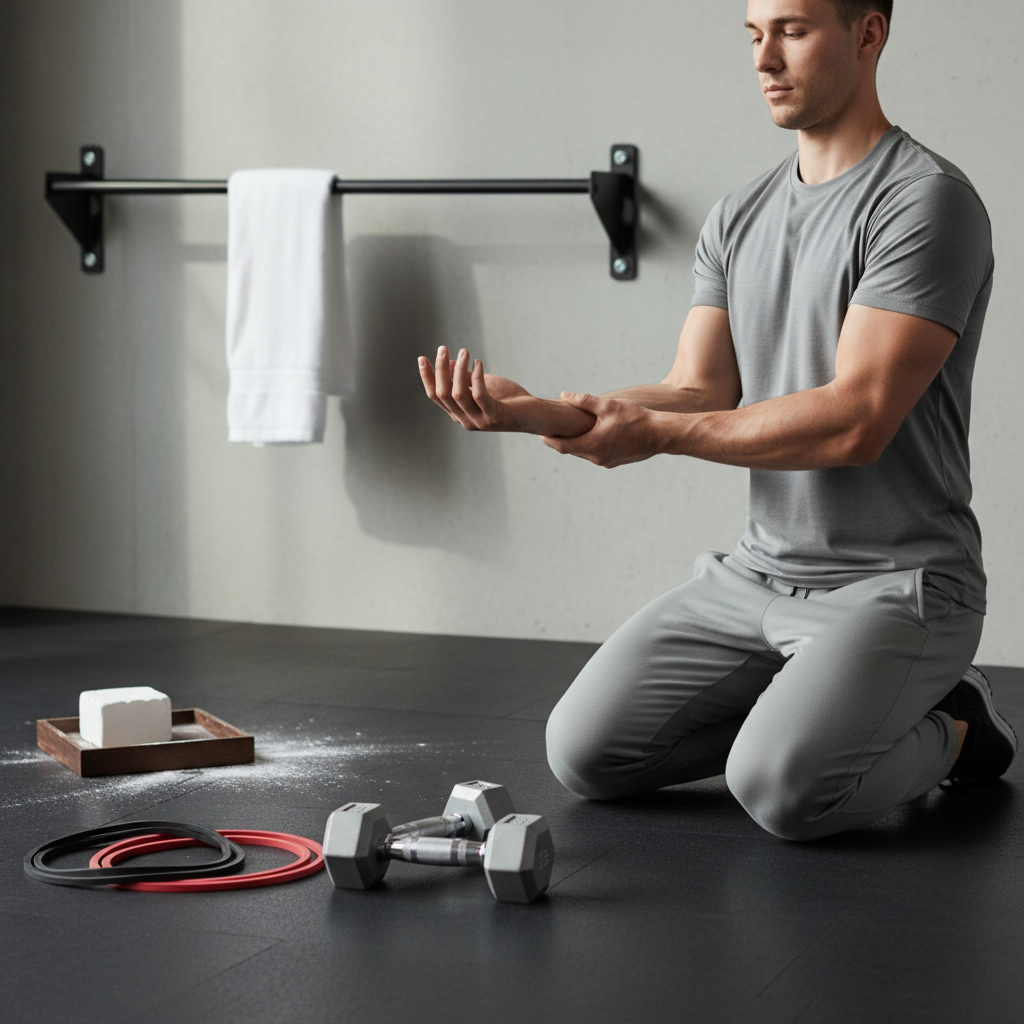
Common Mistakes and Safety Notes (So You Don’t End Up With Angry Elbows)
Forearms can handle a lot, but tendons get cranky when progression gets aggressive. If you feel sharp pain, numbness, or tingling, back off and consider talking with a qualified clinician.
- Grinding through tendon pain: deep ache near the elbow often signals you need less volume, more recovery, or different angles.
- Ignoring wrist extensors: too much flexion work can leave the joint feeling “pulled forward.”
- Death-gripping every set: keep grip training for grip work, and use normal effort on the rest.
- Chasing novelty: switching exercises weekly makes it hard to progress load or hold time.
- Letting wrists collapse: neutral wrist usually means better force transfer and less irritation.
Also, if you climb, do Brazilian jiu-jitsu, or work a hands-on job, your baseline grip volume already runs high. In that scenario, a smaller Forearm Workout can outperform a bigger one because you recover better.
Practical Tips That Make Grip Training Feel Easier (and Work Better)
- Use chalk strategically: it reduces slipping so your grip fails because of strength, not sweat.
- Train open-hand sometimes: thick handles, towels, and fat grips can help, but keep load conservative.
- Keep shoulders “packed” on hangs: a safer position for many people than a fully relaxed hang.
- Place grip after main lifts: heavy deadlifts plus heavy holds can be too much on the same day for some.
If you want a simple rule, start small, earn volume. The best grip progress tends to look boring on paper.
Conclusion: Build Grip Strength Without Turning Every Workout Into Forearm Day
A Forearm Workout works when it matches the grip style you actually need, progresses in small steps, and respects tendon recovery. Pick two movements you can measure, add a little wrist balance work, and give it four weeks before you judge it.
If you want a clean next step, choose either carries + wrist extension or hangs + reverse curls, train twice a week, and track hold time like you track reps on your main lifts.
FAQ
How often should I do a forearm workout for grip strength?
For most people, 2 sessions per week works well. If your sport already taxes grip, you might do better with 1 heavier session plus 1 light “maintenance” session.
Should I use straps if my goal is grip strength?
Usually, yes sometimes. Straps can help you train your back and hips hard without grip being the limiting factor, but keep at least a few unstrapped working sets or add dedicated holds so grip still gets a real stimulus.
Are wrist curls necessary for bigger forearms and stronger grip?
They can help hypertrophy for some lifters, but they’re not mandatory for grip carryover. Many people see more “useful” improvement from carries, hangs, and wrist extensor work.
What’s better for grip: dead hangs or farmer’s carries?
Both are solid, and the better choice depends on what you’re missing. Hangs often build endurance and shoulder-friendly control, carries often build heavy support grip and core bracing at the same time.
Why do my forearms cramp or get a painful pump quickly?
It can be simple fatigue from a new stimulus, but it can also mean you’re jumping volume too fast or gripping too hard on every set. Scale hold times down, rest a bit longer, and build up gradually.
Can grip training help with tennis elbow or golfer’s elbow?
It might, but it depends on the driver of your symptoms. Gentle wrist extensor strengthening is commonly used in rehab settings, but persistent pain deserves evaluation from a physical therapist or sports medicine professional.
How long does it take to notice grip strength improvements?
Some people feel changes in 2–4 weeks, especially in timed holds, while thicker tendons and bigger visible changes can take longer. Consistency and recovery usually matter more than exercise variety.
What equipment is worth buying for grip training at home?
A pull-up bar and a couple of heavy dumbbells (or adjustable handles) cover a lot. If pinch is a priority, a pinch block can be a simple add-on that’s easy to progress.
If you’re training for a specific lift or sport and you want a Forearm Workout that fits your weekly schedule without flaring up your elbows, it may be worth getting a coach or PT to pressure-test your exercise choices and progression so you build grip strength with fewer detours.