
A sports water bottle sounds simple until it starts leaking in your gym bag, smells like yesterday’s shake, or feels awkward to drink from mid-set.
The good news, most “bad bottles” fail for predictable reasons, wrong lid style, fussy cleaning, poor insulation, or a shape that doesn’t match how you train. Once you know what to look for, picking one gets much easier and you stop buying replacements every few months.
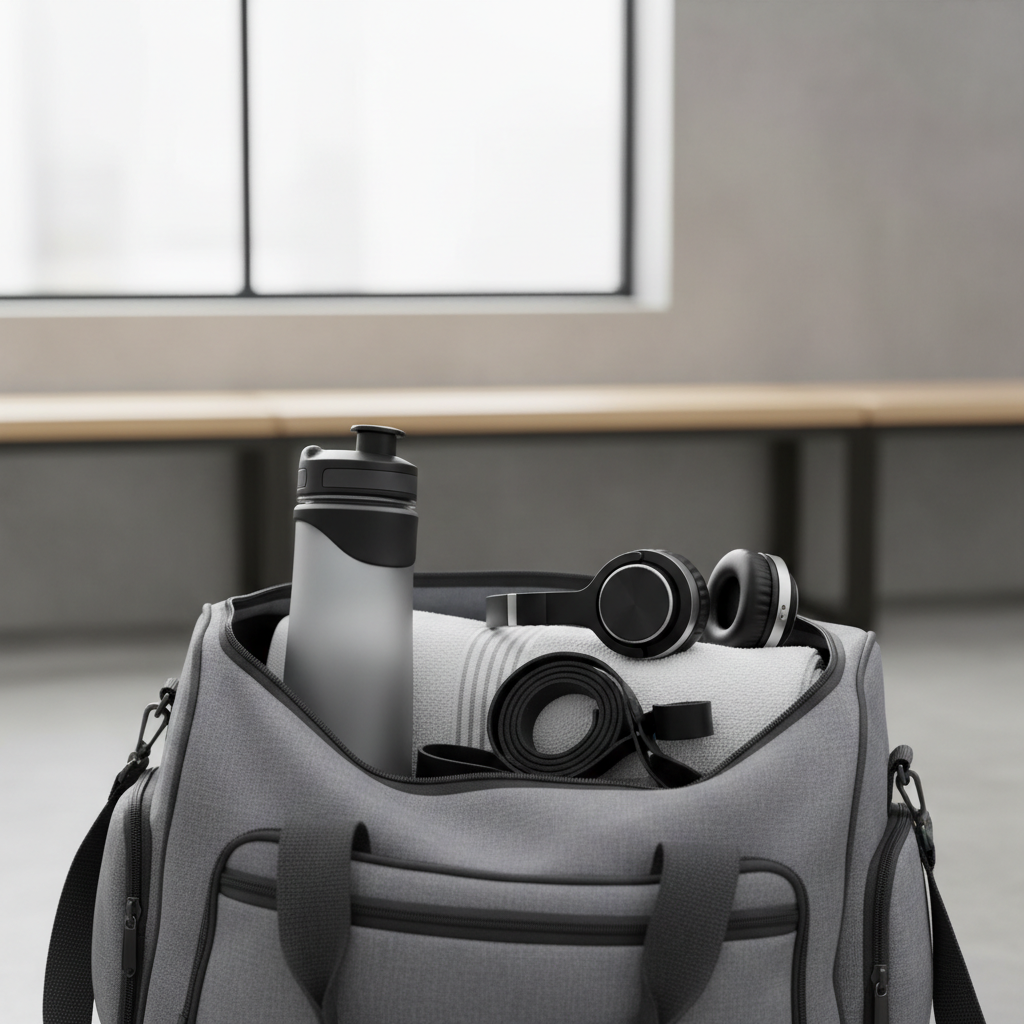
This guide breaks down bottle types that actually fit gym and sports use, a quick checklist to narrow choices fast, plus practical tips to keep your bottle clean and your workouts uninterrupted.
What “best” really means for a gym & sports bottle
For most people, the best bottle is the one you use consistently, not the one with the most features. In practice, gym and sports put pressure on a bottle in a few specific ways: it gets tossed, squeezed, dropped, and used with one hand while you’re breathing hard.
- Leak resistance: not “mostly fine,” but reliable when upside down in a bag.
- Fast drinking: a sip valve or straw can beat a twist cap when you’re moving.
- Easy cleaning: if it’s annoying to scrub, it will get skipped and start smelling.
- Right capacity: big enough for your session, not so big it’s a hassle.
- Safe materials: durable and stable with cold, room temp, or occasionally warm liquids.
According to CDC guidance on cleaning and sanitizing in shared settings, regular cleaning of high-touch items helps reduce germ spread, and bottles fall into that “used constantly, carried everywhere” category. You don’t need to panic about it, but you do want a bottle that’s realistic to maintain.
Material matters: stainless steel vs plastic vs glass vs hybrid
Material choice affects taste, durability, weight, and whether you’ll actually carry it. Here’s the quick reality check most buyers miss: the “best” material depends on whether you prioritize cold retention, lightweight carry, or one-hand squeeze.
| Material | Best for | Pros | Trade-offs |
|---|---|---|---|
| Stainless steel (single-wall) | Everyday gym use | Durable, less odor retention | No insulation, can dent |
| Stainless steel (double-wall insulated) | Hot gyms, outdoor sports | Keeps water cold longer, sturdy | Heavier, wider, usually no squeeze |
| Tritan or similar plastic | Light carry, budget-friendly | Lightweight, often affordable | Can hold odor over time, scratches |
| Squeeze plastic (cycling-style) | Fast hydration during play | One-hand squeeze, quick drinking | Less leakproof in bags, not very insulating |
| Glass (with sleeve) | Home or desk hydration | Neutral taste, easy to deep clean | Heavier, break risk, not great for gym bags |
If taste and smell bother you, many people find stainless steel (especially with a simple lid) stays “neutral” longer. If you need quick sips between drills, a squeeze-style bottle is hard to beat, but you’ll want to accept a bit more spill risk.
Lid styles: where most bottles win or fail
Lids decide your day. A solid body with a frustrating lid still becomes the bottle you stop using. For a sports water bottle used in gyms, these are the main lid styles worth considering:
Straw lid
- Good for: treadmill, bike, circuits, driving to practice.
- Watch for: straw pieces and gaskets that trap residue if you don’t clean them.
Chug spout
- Good for: fast drinking without a straw, easier cleaning than many straw lids.
- Watch for: splash risk if the spout opening is wide and you’re moving.
Flip-top with sip valve
- Good for: one-hand sipping, team sports, quick breaks.
- Watch for: valves can wear out, replacement parts matter.
Simple screw cap (wide mouth)
- Good for: easy cleaning, adding ice, minimal parts to fail.
- Watch for: not as convenient mid-set, you’ll use two hands.
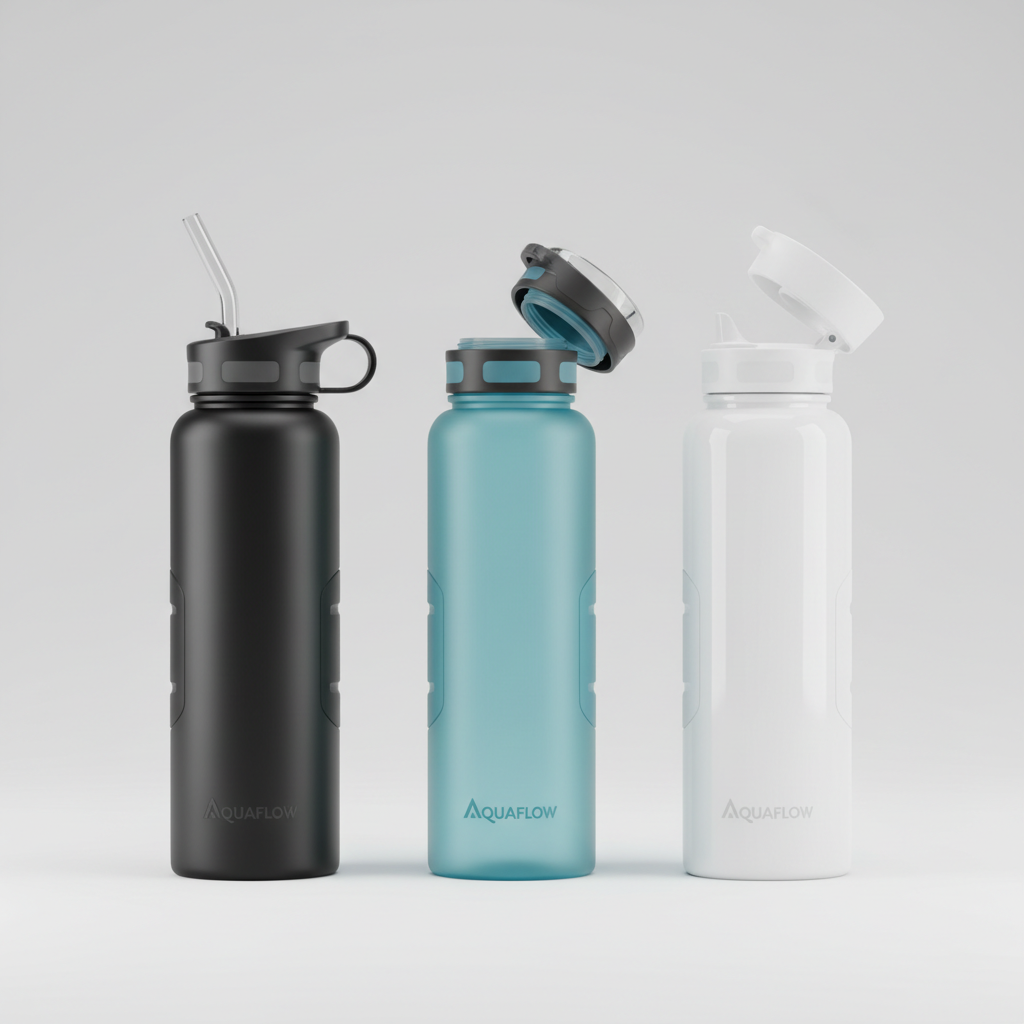
If you’re deciding quickly: choose a chug spout for a balanced “gym default,” a straw lid for cardio convenience, and a wide-mouth screw cap when cleaning simplicity matters more than speed.
Quick self-check: which bottle fits your training style?
Before you compare brands, answer these. You’ll narrow your options faster than scrolling reviews.
- Do you toss it in a bag? If yes, prioritize a proven leakproof lid and a protected spout.
- Do you drink while moving? If yes, straw or sip valve tends to feel easier.
- Do you hate cleaning small parts? If yes, avoid complex valves, pick fewer pieces.
- Do you need cold water for hours? If yes, insulated stainless usually earns its weight.
- Do you use powders or electrolytes? If yes, wide mouth helps, and odor resistance matters.
- Do you have a cup holder requirement? If yes, check diameter, many 32 oz bottles run wide.
Key point: the “best” gym bottle often isn’t a single unicorn bottle, it’s the right match for how you train most days.
Size, insulation, and carry: practical picks that reduce friction
Capacity is personal, but gym routines create patterns. Many people do well with 20–24 oz for short sessions or classes, and 28–40 oz for longer lifting sessions, outdoor workouts, or doubles. If you always finish your bottle early, go bigger, if you keep leaving half behind, go smaller and refill.
- 20–24 oz: lighter, easier one-hand lift, good for classes and quick gym visits.
- 28–32 oz: sweet spot for many lifters, fewer refills without feeling bulky.
- 40 oz+: long sessions, outdoor sports, or people who hate refilling, but check cup holders.
Insulation is worth it when your environment is hot or you’re outdoors. For indoor strength training, a non-insulated bottle can still be perfectly fine, and it often cleans faster.
Carry matters more than people admit. A grippy powder coat, a strong handle, and a shape that sits stable near equipment keeps the bottle from becoming a constant annoyance.
Step-by-step: how to choose the right sports water bottle in 10 minutes
If you want a simple process, use this and stop overthinking it.
- Pick your lid first: straw, chug, valve, or wide-mouth cap based on how you drink.
- Decide on insulation: outdoor and hot gyms lean insulated, otherwise optional.
- Choose capacity: match your session length and refill access.
- Check cleaning reality: fewer parts beats “cool features” if you’re busy.
- Confirm leakproof design: look for a locking mechanism or a protected spout for bags.
- Verify replacement parts: gaskets and lids wear, availability saves money.
According to NSF, food-contact products and materials are commonly evaluated for safety standards in many consumer categories. While you may not see NSF marks on every bottle, it’s still smart to look for clear material disclosures and reputable manufacturing, especially if you’re sensitive to taste or odor.
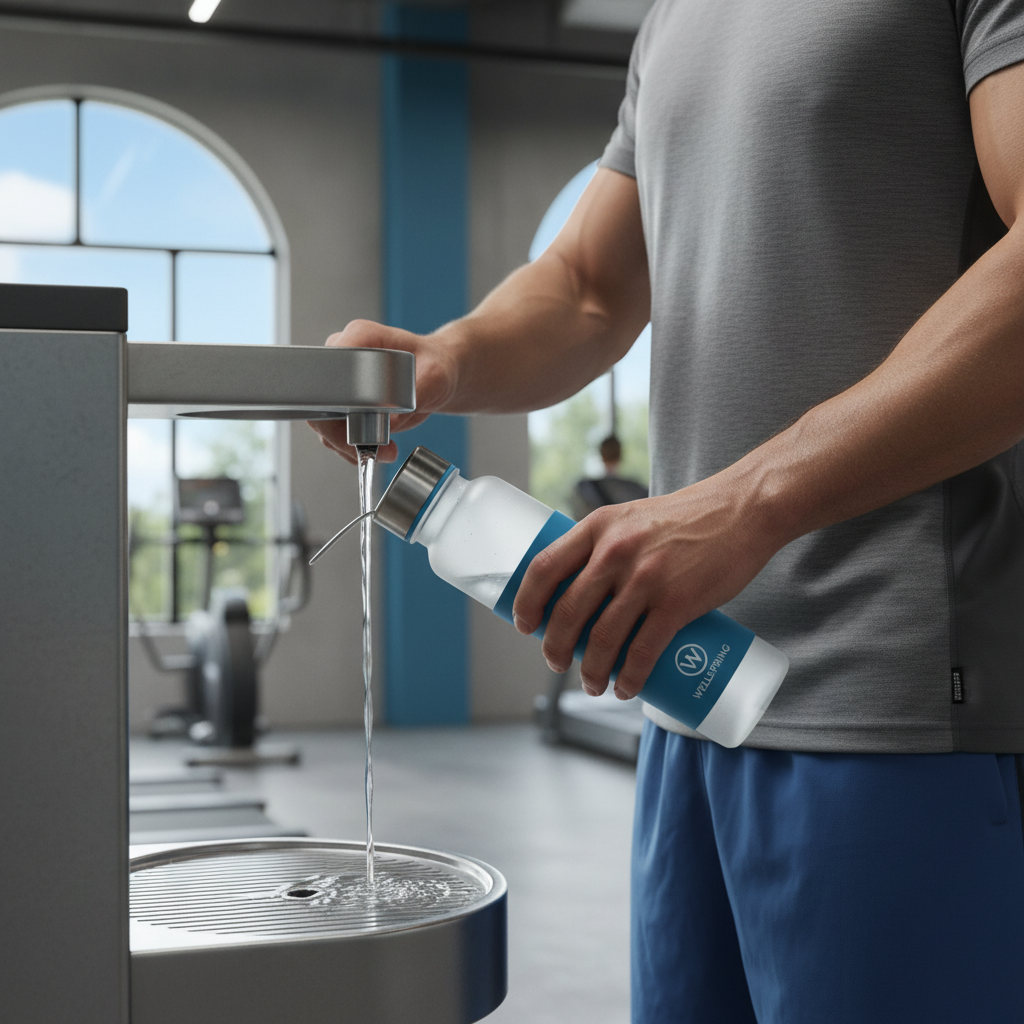
If you’re shopping online, don’t get stuck on marketing terms. Read the lid diagram, look for how the gasket seals, and confirm whether the mouth opening fits your cleaning brush or dishwasher setup.
Cleaning, odor, and safety: what actually keeps a bottle “fresh”
Most bottle complaints are really cleaning complaints. Odor tends to build when residue sits in a warm bottle, especially with sweetened drinks or electrolyte mixes.
- Daily quick rinse: hot water rinse plus air-dry with the lid off helps more than people expect.
- Regular soap wash: pay attention to gasket grooves and straw interiors.
- Don’t seal it wet: trapped moisture often creates that “mystery smell.”
- Use dedicated tools: a small straw brush and a soft bottle brush make it painless.
If you notice persistent odor, a soak with warm water and a gentle cleaner may help, but avoid harsh chemicals that could damage plastics or seals. If you have health concerns, sensitivities, or you share bottles in team settings, it may be wise to follow stricter cleaning routines and consult a medical professional for personalized advice.
Common mistakes buyers make (and how to avoid them)
- Buying too big: a huge bottle sounds motivating, then it becomes heavy and gets left behind.
- Ignoring lid complexity: more parts usually means more places for buildup and leaks.
- Assuming “dishwasher safe” means all parts are equal: heat can shorten gasket life in many cases.
- Using a sports bottle for everything: protein shakes and sweet drinks can demand a different cleaning level.
- Not replacing seals: a tired gasket can turn a good bottle into a leaky mess.
If you want one bottle to cover most needs, choose a durable body, a lid style you genuinely like using, and make sure replacement gaskets exist. That’s usually more “future-proof” than chasing the newest design.
Conclusion: a simple way to pick and stick with it
The right sports water bottle for gym and sports comes down to a short list: a lid you can drink from easily, a build that fits your routine, and a design you’ll actually clean. If you’re unsure, start with a chug spout in a mid-size range and upgrade to insulated only if warm water becomes a real annoyance.
Action ideas: pick your lid type today, then choose a capacity that matches your longest typical session. Once it arrives, set a cleaning habit in the first week, that’s what keeps the bottle “good” long after the novelty fades.
FAQ
What size sports water bottle is best for the gym?
Many people land around 28–32 oz for lifting sessions because it reduces refills without feeling oversized. If you do short classes, 20–24 oz can be easier to carry and use.
Is an insulated bottle worth it for indoor workouts?
It depends on how warm your gym gets and how much you care about cold water. Insulation adds weight and bulk, but it can make hydration more appealing, which matters for consistency.
Which lid is most leakproof for a gym bag?
In many cases, a screw-on lid with a locking spout or a protected chug cap performs better in bags than open valves. Leakproof also depends on gasket condition, so replace seals when they flatten or crack.
Why does my water bottle start to smell even if I only use water?
Odor can come from moisture trapped under gaskets, biofilm in straw tubes, or a bottle sealed while still damp. Air-drying fully with the lid off often makes a noticeable difference.
Are plastic sports bottles safe to use?
Many modern bottles use BPA-free plastics, but “safe” can vary by product and use case. If you’re concerned, check the manufacturer’s material details and avoid exposing plastics to unnecessary heat.
Can I put electrolytes in my sports water bottle every day?
You can, but residue tends to build faster, especially with flavored mixes. A wider mouth and simpler lid usually makes daily cleaning more realistic.
How do I know when to replace my bottle?
If it consistently leaks after replacing the gasket, has deep scratches that hold odor, or the lid mechanism feels worn out, replacement may be the more practical move.
Key takeaways
- Choose the lid first, it determines drinking speed and cleaning effort.
- Match size to session length, not to motivation.
- Insulation is situational, great for heat, optional for many indoor routines.
- Cleaning simplicity wins long-term, fewer parts usually means fewer problems.
If you’re trying to simplify your setup, pick one bottle style for training and keep a second, easy-to-clean option for powders or flavored drinks, it’s a small change that often cuts odor and leakage headaches.