
Low impact cardio is usually the best starting point when your knees, hips, ankles, or lower back complain during workouts, because it raises your heart rate without pounding your joints every step.
If you’ve ever finished a “beginner-friendly” cardio session and felt more joint soreness than cardio fatigue, you’re not alone. A lot of programs are cardio-focused but impact-heavy, and that mismatch can stall progress fast.
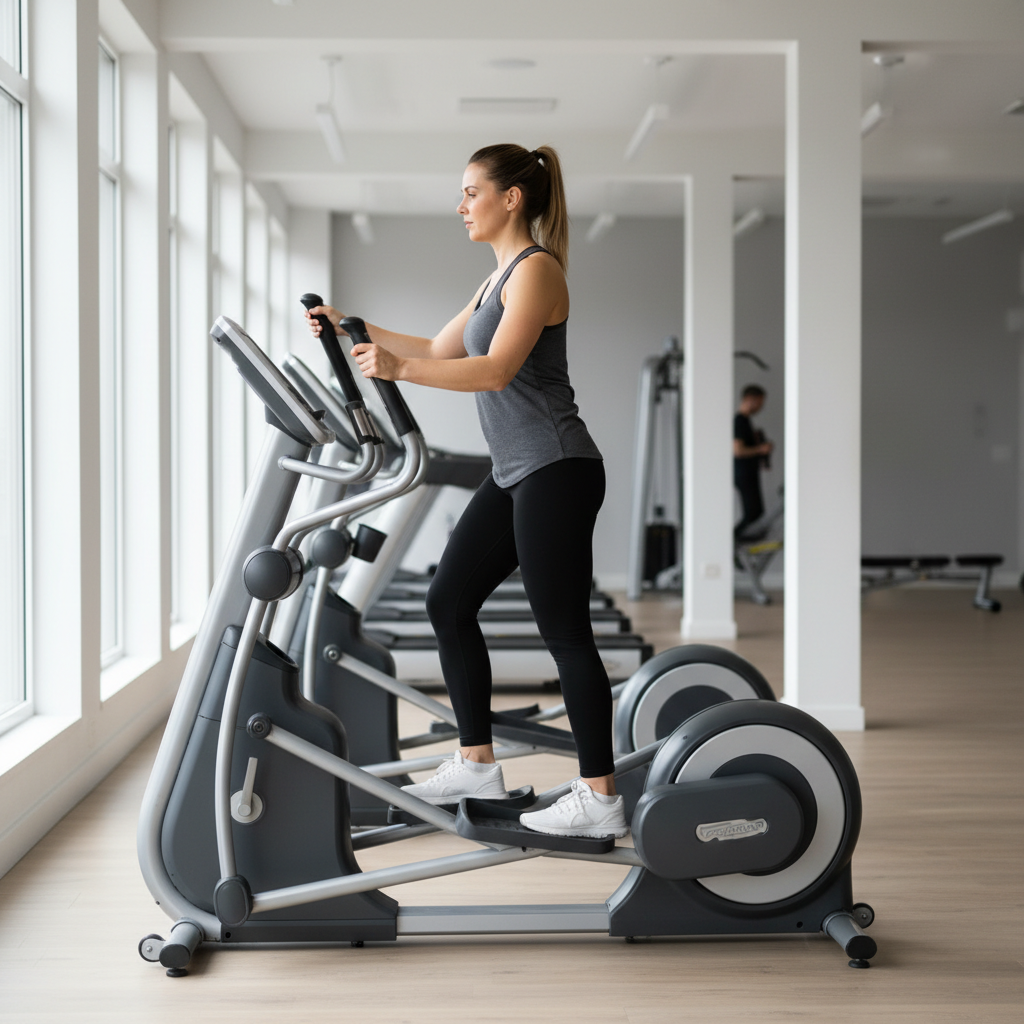
This guide breaks down what “joint-friendly” really means, how to tell whether you need to modify, and how to choose the right low-impact options for your body, not someone else’s highlight reel. You’ll also get a practical weekly plan, plus red flags that suggest it’s time to get a professional opinion.
What “joint-friendly” cardio actually means (and what it doesn’t)
Joint-friendly doesn’t mean “easy” or “not effective.” It usually means you control impact and joint angles so the workout stresses your heart and muscles more than your cartilage and connective tissue.
- Low impact: at least one foot stays on the ground or on a platform most of the time (think walking, elliptical, cycling), reducing repetitive pounding.
- Low joint irritation: the motion stays in a comfortable range and doesn’t repeatedly pinch or twist a cranky joint.
- Scalable intensity: you can make it harder by resistance, incline, cadence, or intervals, not by jumping higher.
One nuance people miss: some “low impact” moves can still aggravate joints if alignment is off, resistance is too high, or your mobility limits force compensation. So the goal is low impact + good mechanics, not low impact alone.
Why cardio triggers joint pain: common real-world causes
When cardio bothers joints, the culprit is often a combo of load, repetition, and positioning, not just “getting older” or “weak knees.” Here are patterns that show up a lot.
- Too much, too soon: sudden jumps in duration or frequency, even with “gentle” workouts, can irritate tissues that adapt slowly.
- Impact stacking: walking at lunch, standing all day, then adding a run can overwhelm ankles, knees, hips without you noticing the total.
- Technique drift: on bikes and rowers, small setup errors can repeat thousands of times per session.
- Strength gaps: glutes, calves, and mid-back often matter more than people think for knee and hip comfort.
- Stiffness or limited range: tight hips/ankles can push motion into the knee or low back, which feels like “the joint is the problem.”
According to the Centers for Disease Control and Prevention (CDC), physical activity is beneficial for people with arthritis and can reduce pain and improve function, but many individuals still need the right dose and the right type of movement to avoid flare-ups.
Quick self-check: are you choosing the right type of low-impact cardio?
Before you overhaul your routine, run this quick check. It’s not a diagnosis, it’s a way to sort yourself into a practical next step.
During the session
- Pain that stays 0–3 out of 10 and does not change your form often means you can continue with small tweaks.
- Pain that jumps to 4+ out of 10, causes limping, or forces you to “work around it” suggests you should modify right away.
- Sharp, catching, or unstable sensations are a stronger signal to stop and reassess.
After the session (the next 24–48 hours)
- Mild muscle soreness is normal, but joint swelling, heat, or increasing stiffness often means the dose was too high.
- If symptoms steadily worsen across a week, treat that like feedback, not something to push through.
A practical rule many coaches use: if symptoms do not return to baseline within 24 hours, the session likely exceeded your current tolerance.
Best low-impact cardio options, with joint-by-joint notes
Not every “low impact cardio” option fits every joint. Use this as a starting shortlist, then test gently and keep what your body tolerates.
| Option | Why it’s joint-friendly | Watch-outs |
|---|---|---|
| Incline walking | Low impact, easy to scale intensity | Too much incline can irritate knees or calves; keep strides short |
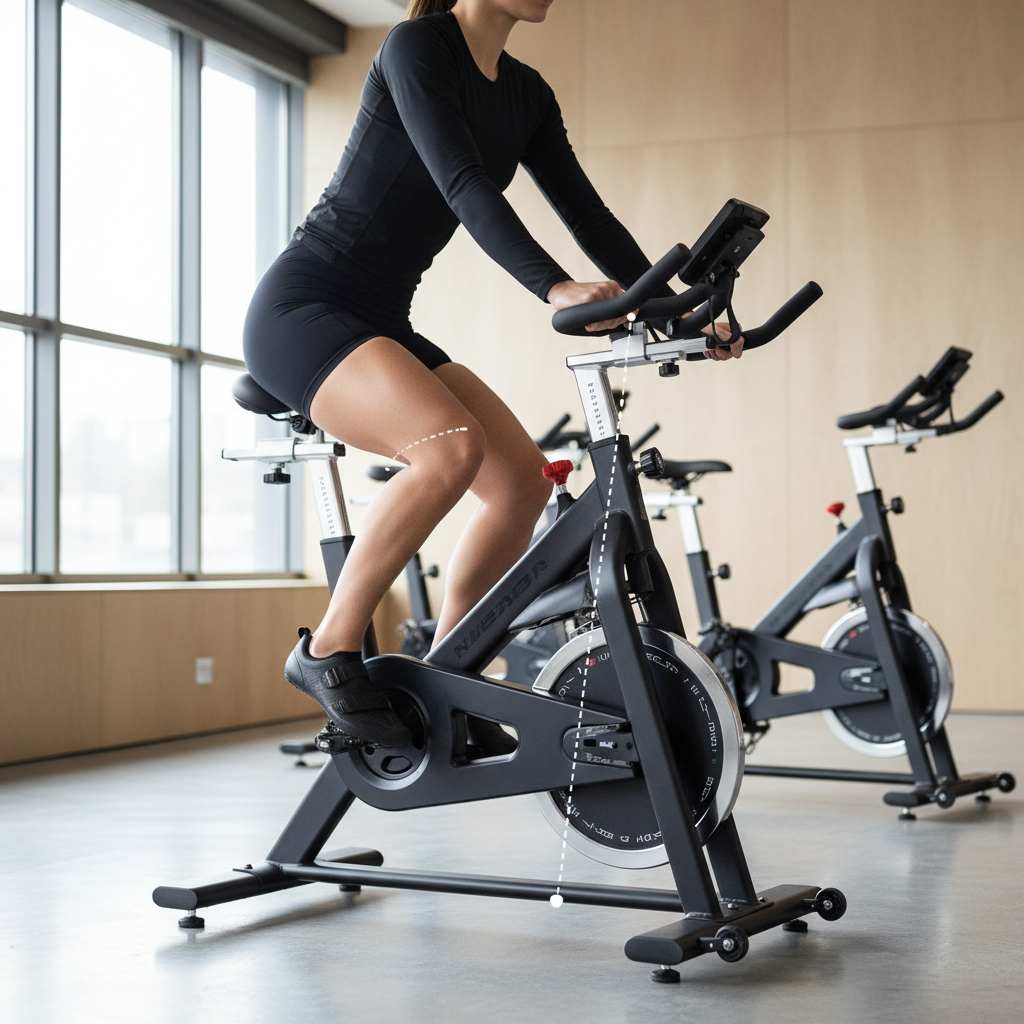
| Stationary cycling | Very low impact, steady rhythm | Poor seat height can stress knees or hips; resistance too high can flare knees |
| Elliptical | Gliding motion, minimal pounding | Some people feel hip pinching; shorten stride and reduce resistance |
| Rowing (technique-focused) | Low impact, full-body, strong cardio potential | Rounded back or aggressive drive can irritate low back; get form cues |
| Swimming / aqua jogging | Buoyancy reduces joint load dramatically | Shoulders can get cranky with poor stroke mechanics |
| Walking intervals (outdoors) | Accessible, natural movement | Hard concrete and worn shoes can increase irritation |
Key point: if you have knee discomfort on the bike, it’s often a setup issue; if you have hip pinching on the elliptical, it’s often stride length and stance width. Small adjustments beat quitting cardio entirely.
How to build a joint-friendly plan that still improves fitness
The trap is staying “gentle” forever, which can feel safe but doesn’t build much capacity. A better approach is controlled progression, increasing one variable at a time.
A simple weekly template (adjust up or down)
- 2 days steady: 20–40 minutes at a conversational pace (you can speak in short sentences).
- 1 day intervals: 10-minute warmup, then 6–10 rounds of 30–60 seconds harder effort with 60–90 seconds easy, then cool down.
- 1–2 days “easy movement”: 15–30 minutes relaxed walking, pool time, or light cycling.
- At least 1 rest day: especially if joints feel irritable or you’re new to consistency.
If you’re balancing joint sensitivity with weight loss goals, consistency tends to beat intensity. You’ll usually get better results from four tolerable sessions than one heroic workout followed by three days of pain.
Practical setup cues that reduce joint stress fast
These aren’t fancy, but they make a measurable difference in many cases. If you try only one thing, try these.
Bike (stationary or spin)
- Seat height: at the bottom of the pedal stroke your knee stays slightly bent, not locked.
- Resistance: start lighter than you think, aim for smooth circles, not grinding.
- Knee tracking: knees generally follow over the mid-foot, not collapsing inward.
Elliptical
- Keep heels “heavy” on the pedals, avoid bouncing.
- Reduce resistance before increasing speed, especially if knees feel hot or achy.
Walking
- Shorter stride, higher cadence often reduces impact per step.
- If downhill bothers knees, choose flatter routes or use slight incline treadmill work instead.
According to the American Council on Exercise (ACE), proper exercise technique and appropriate progression help reduce injury risk, which is a good reminder that “safe” often comes from how you do it, not only what you do.
Common mistakes that keep people stuck (even with low impact choices)
Some mistakes are subtle, and that’s why they last for months.
- Chasing sweat as proof: sweat is not a joint-safety metric, and it’s not always a fitness metric either.
- Only stretching, never strengthening: mobility helps, but many joints feel better when surrounding muscles get stronger.
- Ignoring footwear and surfaces: worn-out shoes, hard floors, and steep cambered roads add up.
- Copying someone else’s “low impact” video: some routines still include deep knee flexion, fast pivots, or repetitive hopping.
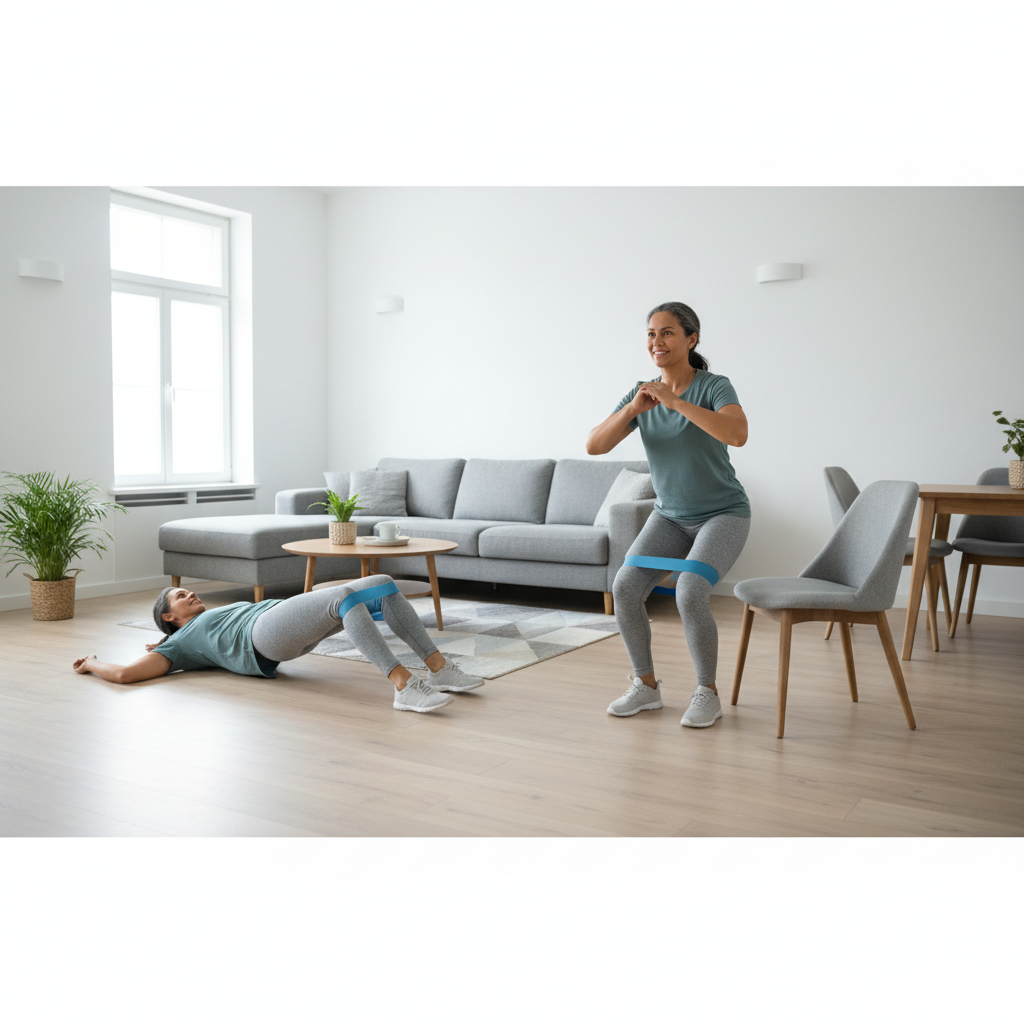
If you want a quick win, pair low impact cardio with 2 short strength sessions weekly: squats to a box or chair, hip hinges, calf raises, rows, and core bracing. Keep it pain-free and controlled, and build slowly.
When to get professional help (and why it’s not overreacting)
Some joint symptoms are a strong hint you need a clinician or qualified rehab pro involved, even if your goal is “just cardio.” Consider checking in if you notice any of these:
- Visible swelling, warmth, or redness around a joint
- Pain that worsens at night or does not improve with rest
- Locking, true giving-way, or new numbness/tingling
- Symptoms after a fall or twist, especially if weight-bearing feels unstable
- Persistent pain beyond 2–3 weeks despite switching to gentler options
For medical questions, it’s reasonable to consult a physical therapist or physician, especially if you have a history of arthritis, past surgery, or recurring tendon issues. The goal is not to “ban” exercise, it’s to find the version your body tolerates.
Key takeaways and a realistic next step
If joints complain, you don’t need to give up cardio, you need a smarter input. Choose a low-impact modality you can repeat, dial intensity with resistance or intervals, and treat soreness like feedback rather than a test of toughness.
- Pick one joint-friendly option you can do 3x/week for two weeks.
- Track one signal: pain rating during exercise and next-day stiffness.
- Progress one variable: add 5 minutes or a few intervals, not everything at once.
If you want an easy starting point, try 25 minutes of cycling at a comfortable pace, twice a week, plus one short interval day with gentle surges. Then reassess how your joints feel, not just how tired you get.
FAQ
What is the best low impact cardio if I have knee pain?
Many people tolerate cycling, swimming, or water walking well because impact stays low. Knee pain can be very individual though, so start with short sessions and make sure equipment setup, especially bike seat height, is correct.
Is walking considered low impact cardio?
Yes, walking is typically low impact because you always keep one foot on the ground. If joints still ache, look at pace, stride length, incline, shoes, and weekly volume rather than assuming walking “shouldn’t” hurt.
Can low impact cardio help with weight loss?
It can, mainly because it’s easier to do consistently and recover from. Weight change still depends on overall energy balance, but joint-friendly cardio often makes it more realistic to stay active week after week.
How often should I do low impact cardio as a beginner?
Three days per week is a workable baseline for many beginners, with at least one rest day between harder sessions. If joints feel sensitive, start with shorter durations and add time gradually.
Are HIIT workouts always bad for joints?
Not always, but many HIIT classes use jumps and quick pivots that can be rough. If you like intervals, do them on a bike, rower, or in a pool where intensity comes from effort, not impact.
Why do my hips hurt on the elliptical?
Hip discomfort can come from stride length, stance width, or resistance that forces you into a range you don’t tolerate well. Try lowering resistance, keeping your steps smaller, and checking whether your feet stay aligned rather than drifting inward.
Do I need strength training if I’m only doing cardio?
If joint comfort is a goal, strength work often helps because it improves load-sharing around the joint. You don’t need a complicated plan, just consistent basics with good form and manageable resistance.
If you’re trying to stay consistent with low impact cardio but keep second-guessing which machine, pace, or plan is safe for your joints, a short, customized progression can save time and frustration, especially when you want clear guardrails for intensity and recovery.